THE ADVENTURE COLLECTIVE® · Independent discovery and booking for outdoor travel

Ride in a classic black taxi and hear firsthand accounts of the Troubles while visiting Falls Road, Shankill Road, the Peace Walls and other sites. This two‑hour tour blends vivid murals with lived history for a clear, human view of Belfast's past and progress.
Ride in a classic black taxi and hear firsthand accounts of the Troubles while visiting Falls Road, Shankill Road, the Peace Walls and other sites. This two‑hour tour blends vivid murals with lived history for a clear, human view of Belfast's past and progress.
You slide into the back of a black taxi and the city leans in with you: brick terraces, painted walls, and the low curve of the River Lagan visible as the cab threads narrow streets.
Verified experiences and guided adventures in the surrounding area.
Operated by Belfastsightseeing.com · Belfast, Northern Ireland
You slide into the back of a black taxi and the city leans in with you: brick terraces, painted walls, and the low curve of the River Lagan visible as the cab threads narrow streets.
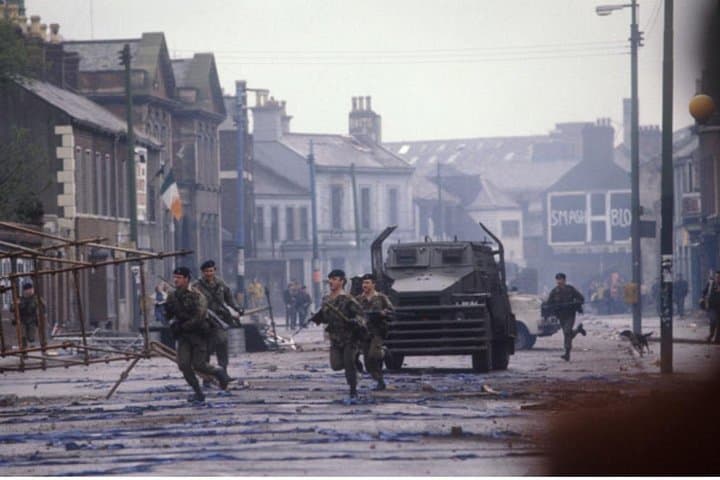
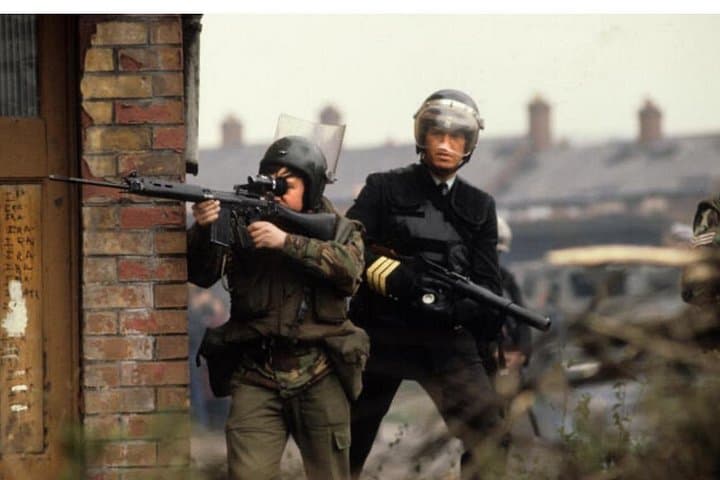
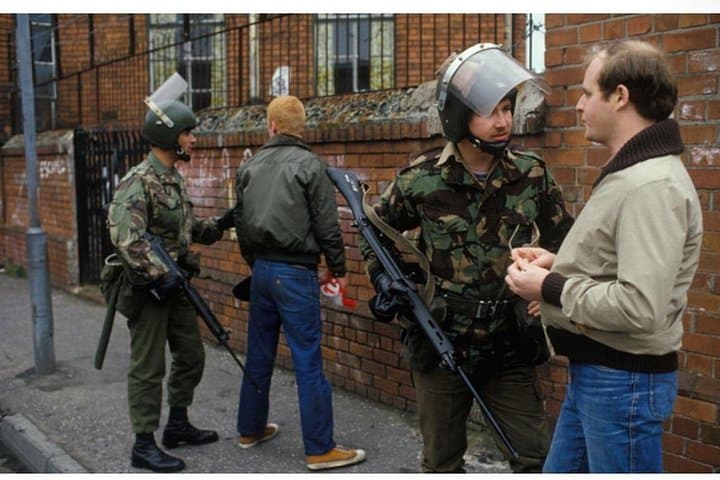
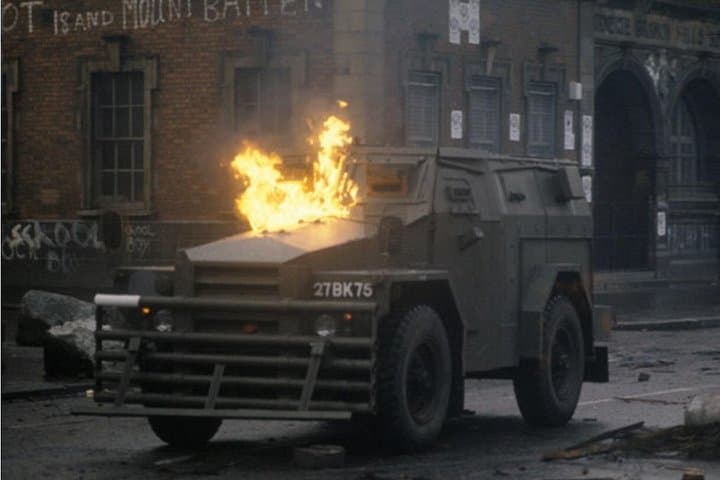
The next two hours move along Falls Road and Shankill Road, past the Peace Walls whose gates still close at night, and by Divis Flats — sites that map the arc of Belfast’s recent history. Murals, many painted by former prisoners, act as public memory; some commemorate hunger strikers like Bobby Sands, others campaign for reconciliation. Clonard Monastery and the Crumlin Road Gaol appear as quieter, structural contrasts — one a place of mediation in the peace process, the other a stark reminder of wartime jurisprudence.
Geology and industry are part of the backdrop: Belfast grew where the Lagan meets Belfast Lough, and shipbuilding footprints remain in the city’s pattern of streets and docks. Culturally the tour is a human narrative — four overlapping perspectives on contested history delivered by drivers who lived through it.
Practical guidance: this is a 120‑minute, low‑impact tour best taken with a camera and an open mind. Wear layers for changeable weather, sit toward the middle of the taxi for the clearest audio, and be conscious that many murals are on working residential streets — ask before photographing close-up. Conversations often illuminate more than the art alone, so come ready to listen and to ask measured questions. Public transport links and central hotels make logistics simple; the tour offers concentrated context for visitors who want to understand Belfast beyond the postcard.
Yes — the tour is physically easy, but some content covers violent historical events; parents should judge suitability for their children.
Generally yes for public murals, but be respectful in residential areas and always follow your guide’s direction on sensitive sites.
Tours may be shared with others; group size can vary but vehicles are traditional black taxis seating small groups for an intimate experience.
The listing title may call it private, but many departures are small‑group taxi tours—confirm booking details if you require a strictly private vehicle.
Belfastsightseeing.com operates guided outdoor trips and adventures with an emphasis on safety, stewardship, and memorable experiences.
You slide into the back of a black taxi and the city leans in with you: brick terraces, painted walls, and the low curve of the River Lagan visible as the cab threads narrow streets.
You slide into the back of a black taxi and the city leans in with you: brick terraces, painted walls, and the low curve of the River Lagan visible as the cab threads narrow streets.
The next two hours move along Falls Road and Shankill Road, past the Peace Walls whose gates still close at night, and by Divis Flats — sites that map the arc of Belfast’s recent history. Murals, many painted by former prisoners, act as public memory; some commemorate hunger strikers like Bobby Sands, others campaign for reconciliation. Clonard Monastery and the Crumlin Road Gaol appear as quieter, structural contrasts — one a place of mediation in the peace process, the other a stark reminder of wartime jurisprudence.
Geology and industry are part of the backdrop: Belfast grew where the Lagan meets Belfast Lough, and shipbuilding footprints remain in the city’s pattern of streets and docks. Culturally the tour is a human narrative — four overlapping perspectives on contested history delivered by drivers who lived through it.
Practical guidance: this is a 120‑minute, low‑impact tour best taken with a camera and an open mind. Wear layers for changeable weather, sit toward the middle of the taxi for the clearest audio, and be conscious that many murals are on working residential streets — ask before photographing close-up. Conversations often illuminate more than the art alone, so come ready to listen and to ask measured questions. Public transport links and central hotels make logistics simple; the tour offers concentrated context for visitors who want to understand Belfast beyond the postcard.