
Belfast Murals & The Troubles: West Belfast 2-Hour Political Taxi Tour
Ride through West Belfast to see the political murals, Peace Walls, and memorials that map decades of conflict and recovery. This two-hour taxi tour pairs first-hand guide narration with accessible stops for reflection and learning.
An Adventure In Belfast.
Ride through West Belfast to see the political murals, Peace Walls, and memorials that map decades of conflict and recovery. This two-hour taxi tour pairs first-hand guide narration with accessible stops for reflection and learning.
Read the full experience
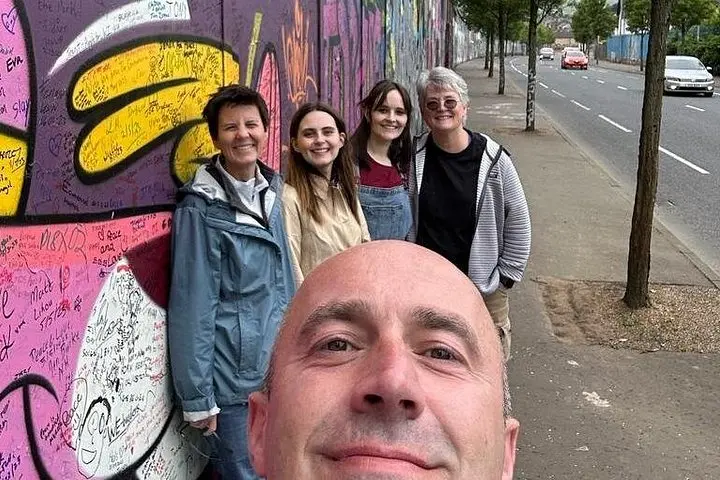
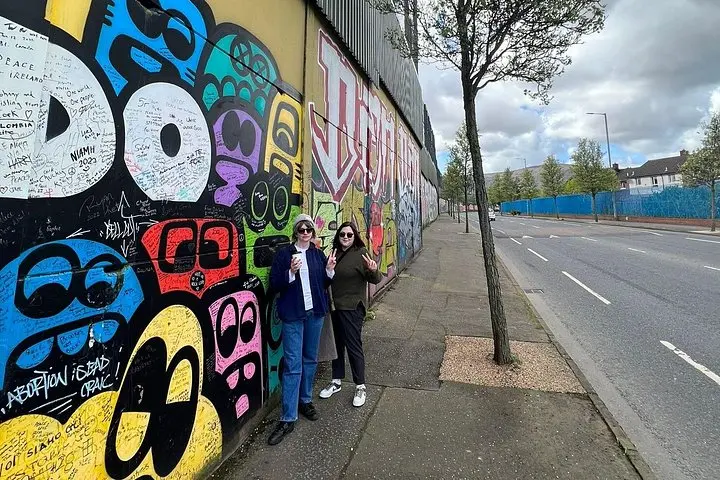
The city leans in as you ride: brick facades, painted messages, and the Peace Walls standing like slow-moving guardians between streets. In a black cab or taxi you pass through the narrow seams of West Belfast — Falls Road and Shankill Road — where murals punctuate corners and security gates still mark lines once drawn in urgency.
The city leans in as you ride: brick facades, painted messages, and the Peace Walls standing like slow-moving guardians between streets. In a black cab or taxi you pass through the narrow seams of West Belfast — Falls Road and Shankill Road — where murals punctuate corners and security gates still mark lines once drawn in urgency.
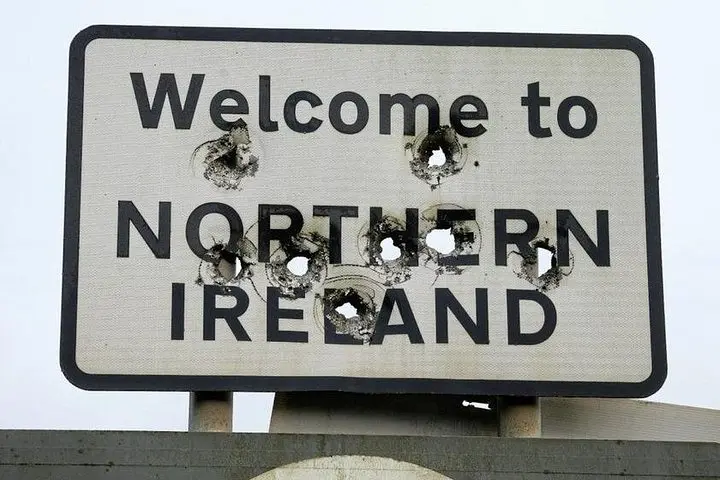
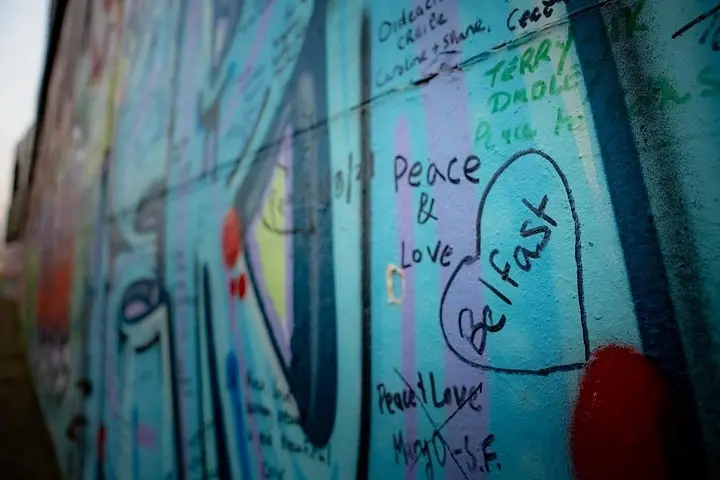
This two-hour tour threads personal testimony, civic history, and visible architecture. The Troubles (late 1960s–1998) reshaped daily life here; more than 3,700 lives were lost and communities were physically divided. Murals began as political statements and evolved into layered public art that records grief, resistance, and, more recently, reconciliation. The area’s geology is ordinary urban sandstone and reclaimed industrial plots, but culture here is carved into walls, memorial gardens, and street-level storytelling by residents who lived it.
Expect stops at key murals, memorials, and security gates, with time to listen and reflect rather than rush. Guides who lived through the conflict offer balanced, first‑hand narration — factual, sometimes raw, always framed toward understanding the city’s change since the Good Friday Agreement.
Practical edge: the tour is wheelchair accessible and suitable for most fitness levels; wear comfortable shoes for short walks and a weatherproof layer for Belfast’s brisk drizzle. Bring a camera but be respectful—ask before photographing people or private memorials. Public transport and central pickup make logistics simple; the private, small-group format gives space for questions. This is not sightseeing light: it’s a focused, human-scale study of conflict, memory, and urban resilience.
Frequently asked questions
Yes — the tour notes indicate wheelchair-accessible routes and surfaces, and vehicle transport minimizes long walks.
Yes — the route covers key sites in both Protestant and Catholic communities to provide a balanced perspective.
Families with older children can find it appropriate; content deals with conflict and loss, so discretion is advised for young listeners.
Tours are typically conducted in English; check the booking page for multilingual options or special requests.
About This Experience
Mr Paul Moyna operates guided outdoor trips and adventures with an emphasis on safety, stewardship, and memorable experiences.
Adventure tips
Recommended gear
- Comfortable walking shoes: Essential for short on-foot stops and uneven pavement near murals.
- Waterproof jacket: Belfast weather is unpredictable—stay dry and comfortable during outdoor stops.
- Compact camera or phone: Capture murals and memorials, but always ask permission before photographing people.
- Portable phone charger: Guides may share links and resources; keep your device powered for notes and photos.
Photos of the experience
Related adventures & guides
Read the full experience
The city leans in as you ride: brick facades, painted messages, and the Peace Walls standing like slow-moving guardians between streets. In a black cab or taxi you pass through the narrow seams of West Belfast — Falls Road and Shankill Road — where murals punctuate corners and security gates still mark lines once drawn in urgency.
The city leans in as you ride: brick facades, painted messages, and the Peace Walls standing like slow-moving guardians between streets. In a black cab or taxi you pass through the narrow seams of West Belfast — Falls Road and Shankill Road — where murals punctuate corners and security gates still mark lines once drawn in urgency.
This two-hour tour threads personal testimony, civic history, and visible architecture. The Troubles (late 1960s–1998) reshaped daily life here; more than 3,700 lives were lost and communities were physically divided. Murals began as political statements and evolved into layered public art that records grief, resistance, and, more recently, reconciliation. The area’s geology is ordinary urban sandstone and reclaimed industrial plots, but culture here is carved into walls, memorial gardens, and street-level storytelling by residents who lived it.
Expect stops at key murals, memorials, and security gates, with time to listen and reflect rather than rush. Guides who lived through the conflict offer balanced, first‑hand narration — factual, sometimes raw, always framed toward understanding the city’s change since the Good Friday Agreement.
Practical edge: the tour is wheelchair accessible and suitable for most fitness levels; wear comfortable shoes for short walks and a weatherproof layer for Belfast’s brisk drizzle. Bring a camera but be respectful—ask before photographing people or private memorials. Public transport and central pickup make logistics simple; the private, small-group format gives space for questions. This is not sightseeing light: it’s a focused, human-scale study of conflict, memory, and urban resilience.
Make a day of it nearby.
Verified experiences and guided adventures in the surrounding area.