THE ADVENTURE COLLECTIVE® · Independent discovery and booking for outdoor travel

Walk the Shankill and Falls roads and stand at the Peace Wall as guides translate decades of conflict into murals, memories and local perspective. This 90-minute tour pairs vivid street art with first-hand history for a clear-eyed look at Belfast today.
Walk the Shankill and Falls roads and stand at the Peace Wall as guides translate decades of conflict into murals, memories and local perspective. This 90-minute tour pairs vivid street art with first-hand history for a clear-eyed look at Belfast today.
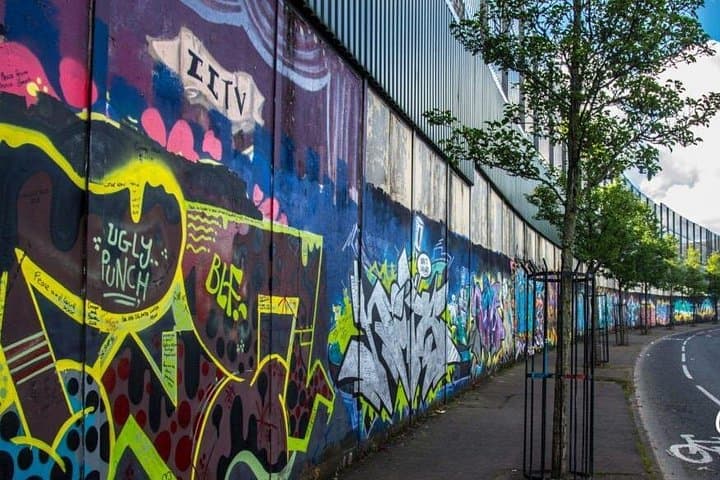
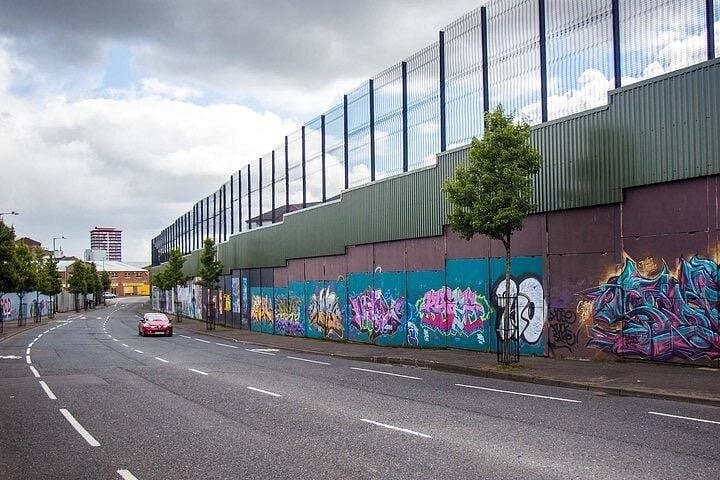
You step off the van and the city changes tone: a wall climbs ahead, painted faces and slogans looking back, while terraced houses and corner shops hum with everyday life.
Verified experiences and guided adventures in the surrounding area.
Operated by Traditional Taxi Tours Belfast · Belfast, Northern Ireland
You step off the van and the city changes tone: a wall climbs ahead, painted faces and slogans looking back, while terraced houses and corner shops hum with everyday life.
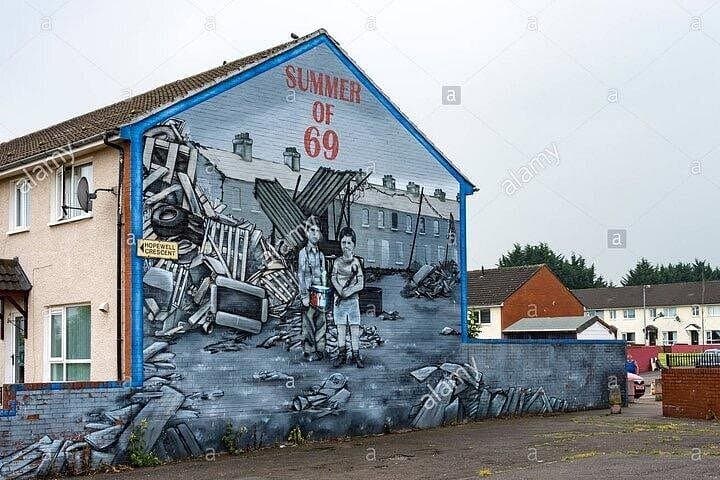
This 90-minute tour threads the Loyalist Shankill Road and the Nationalist Falls Road, pausing at the Peace Wall that still divides neighborhoods. Murals here are both public art and oral history—large-scale portraits, local symbols and political slogans that map decades of urban conflict and community resilience. The stories you hear come from lived experience: family histories of the Troubles, post-conflict regeneration, and the civic efforts that turned contested walls into canvases of memory.
Geology is subtle here—glacial-era drumlins shaped the wider Belfast basin—but the tour is about human geography: working-class streets, shipbuilding roots visible in architectural details, and industrial arteries that fed the city’s growth. Cultural notes include the role of community murals as identity markers, and the ways local groups now run peace-building initiatives and mural conservation.
Practically, expect mostly flat, paved walking with short stops for photos and conversation. Wear supportive shoes, bring waterproof layers and a small daypack; winters are damp and breezy, summers can be bright but changeable. Photography is common but ask before photographing private homes or people. Tours are accessible and suitable for most fitness levels; guides often offer local recommendations—pubs, markets, and quieter mural panels beyond the main thoroughfares.
For anyone curious about modern Irish history, this is a direct, human-scale way to see how politics, place and art intersect in Belfast’s streets.
The tour runs about 90 minutes, with multiple short stops along Shankill Road, the Peace Wall, and Falls Road.
Yes—transportation and surfaces are listed as wheelchair accessible; contact the operator ahead to confirm specific assistance needs.
Meeting or pickup details are confirmed at booking; most departures are from central Belfast pickup points or a city-center meeting location.
Yes—families are welcome, though content includes recent political history that may be sensitive; infants can travel in strollers.
Traditional Taxi Tours Belfast operates guided outdoor trips and adventures with an emphasis on safety, stewardship, and memorable experiences.
You step off the van and the city changes tone: a wall climbs ahead, painted faces and slogans looking back, while terraced houses and corner shops hum with everyday life.
You step off the van and the city changes tone: a wall climbs ahead, painted faces and slogans looking back, while terraced houses and corner shops hum with everyday life.
This 90-minute tour threads the Loyalist Shankill Road and the Nationalist Falls Road, pausing at the Peace Wall that still divides neighborhoods. Murals here are both public art and oral history—large-scale portraits, local symbols and political slogans that map decades of urban conflict and community resilience. The stories you hear come from lived experience: family histories of the Troubles, post-conflict regeneration, and the civic efforts that turned contested walls into canvases of memory.
Geology is subtle here—glacial-era drumlins shaped the wider Belfast basin—but the tour is about human geography: working-class streets, shipbuilding roots visible in architectural details, and industrial arteries that fed the city’s growth. Cultural notes include the role of community murals as identity markers, and the ways local groups now run peace-building initiatives and mural conservation.
Practically, expect mostly flat, paved walking with short stops for photos and conversation. Wear supportive shoes, bring waterproof layers and a small daypack; winters are damp and breezy, summers can be bright but changeable. Photography is common but ask before photographing private homes or people. Tours are accessible and suitable for most fitness levels; guides often offer local recommendations—pubs, markets, and quieter mural panels beyond the main thoroughfares.
For anyone curious about modern Irish history, this is a direct, human-scale way to see how politics, place and art intersect in Belfast’s streets.