THE ADVENTURE COLLECTIVE® · Independent discovery and booking for outdoor travel

Drive through Belfast’s Shankill and Falls districts with a local guide who lived through the Troubles. This two-hour mural tour offers direct history, contemporary context, and accessible stops for photos and questions.
Drive through Belfast’s Shankill and Falls districts with a local guide who lived through the Troubles. This two-hour mural tour offers direct history, contemporary context, and accessible stops for photos and questions.
You step into a cool, air-conditioned vehicle and the city unfolds at the window: red brick terraces, the river easing past, and walls that speak in paint. Eddie, a Belfast native who lived through the Troubles, settles into the driver’s seat and begins to place the murals in human terms—loss, pride, memory.
Verified experiences and guided adventures in the surrounding area.
Operated by EddiesTaxiTours · Belfast, Northern Ireland
You step into a cool, air-conditioned vehicle and the city unfolds at the window: red brick terraces, the river easing past, and walls that speak in paint. Eddie, a Belfast native who lived through the Troubles, settles into the driver’s seat and begins to place the murals in human terms—loss, pride, memory.
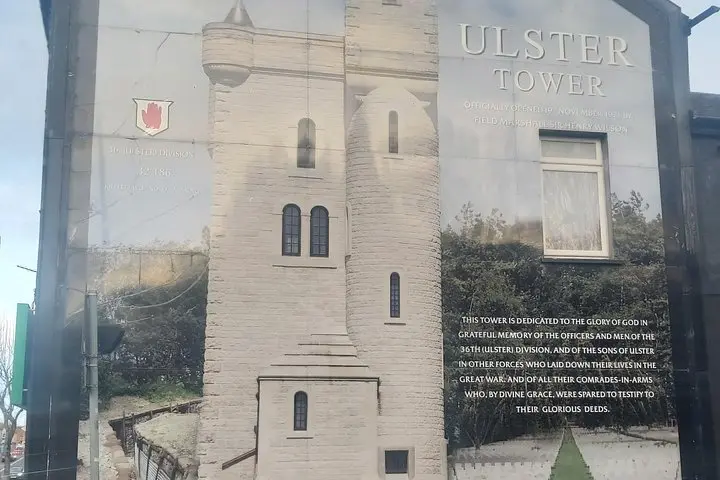
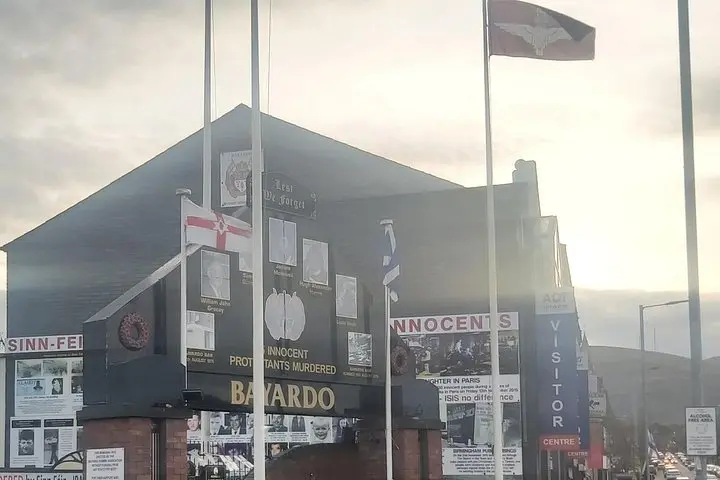
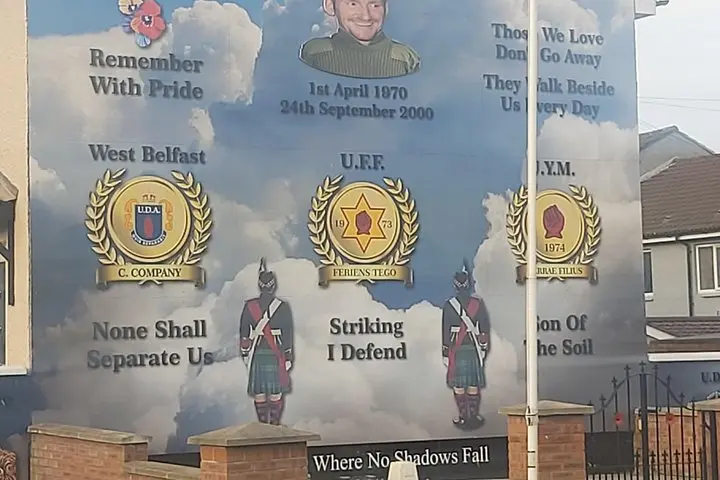
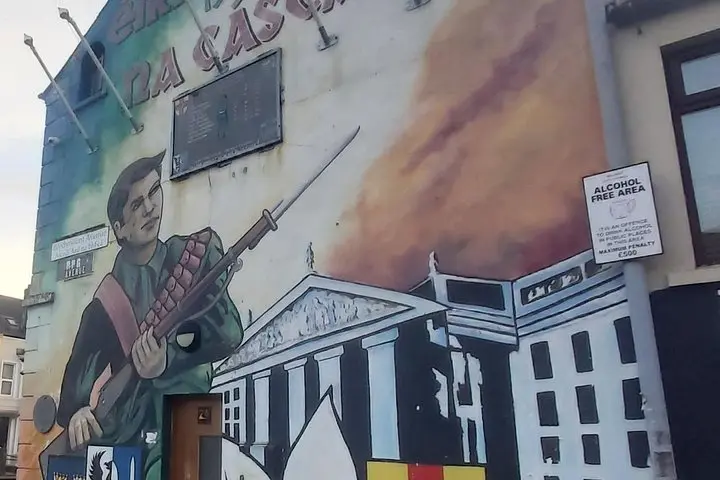
The drive threads the two districts most marked by conflict: Falls and Shankill. Murals climb gable ends and lane walls, recording battles, commemorating victims, and broadcasting political identity. The Peace Walls still cut through neighborhoods—concrete edges that once separated lives and now invite reflection. Geology here is subtle: glacial-laid drumlins dip into urban valleys, and the River Lagan runs as a quiet boundary to the city’s modern growth.
Culturally, murals are public history; they record allegiances and grieving as much as they assert place. Guides who lived through the period often mix eyewitness detail with local context—how communities rebuilt, where murals were refreshed, and the grassroots projects that now commission new art.
Practical guidance: the tour is roughly two hours and primarily vehicle-based with short stops for photos. It’s wheelchair- and stroller-accessible and suitable for most fitness levels. Bring a compact camera, wear comfortable shoes if you plan to walk at stops, and carry a light rain jacket—Belfast weather shifts fast. Be respectful: many murals are political and personal; ask before photographing people and avoid touching artwork.
This is a close-up encounter with recent history—raw, instructive, and paced for conversation rather than spectacle.
The tour lasts approximately two hours and is driven in an air-conditioned vehicle with short stops for photos and commentary.
Yes — the tour and transportation are wheelchair-accessible, though some outdoor surfaces at stop points may be uneven; staff can advise on specific needs.
Yes, photography is allowed, but be respectful: avoid photographing residents without permission and do not touch artwork.
The guide is a local who lived through the conflict and may share personal recollections; guests should be prepared for frank, firsthand accounts.
EddiesTaxiTours operates guided outdoor trips and adventures with an emphasis on safety, stewardship, and memorable experiences.
You step into a cool, air-conditioned vehicle and the city unfolds at the window: red brick terraces, the river easing past, and walls that speak in paint. Eddie, a Belfast native who lived through the Troubles, settles into the driver’s seat and begins to place the murals in human terms—loss, pride, memory.
You step into a cool, air-conditioned vehicle and the city unfolds at the window: red brick terraces, the river easing past, and walls that speak in paint. Eddie, a Belfast native who lived through the Troubles, settles into the driver’s seat and begins to place the murals in human terms—loss, pride, memory.
The drive threads the two districts most marked by conflict: Falls and Shankill. Murals climb gable ends and lane walls, recording battles, commemorating victims, and broadcasting political identity. The Peace Walls still cut through neighborhoods—concrete edges that once separated lives and now invite reflection. Geology here is subtle: glacial-laid drumlins dip into urban valleys, and the River Lagan runs as a quiet boundary to the city’s modern growth.
Culturally, murals are public history; they record allegiances and grieving as much as they assert place. Guides who lived through the period often mix eyewitness detail with local context—how communities rebuilt, where murals were refreshed, and the grassroots projects that now commission new art.
Practical guidance: the tour is roughly two hours and primarily vehicle-based with short stops for photos. It’s wheelchair- and stroller-accessible and suitable for most fitness levels. Bring a compact camera, wear comfortable shoes if you plan to walk at stops, and carry a light rain jacket—Belfast weather shifts fast. Be respectful: many murals are political and personal; ask before photographing people and avoid touching artwork.
This is a close-up encounter with recent history—raw, instructive, and paced for conversation rather than spectacle.