THE ADVENTURE COLLECTIVE® · Independent discovery and booking for outdoor travel

Spend a concentrated hour in a black taxi exploring Belfast’s painted histories. Local guides—many who experienced the Troubles firsthand—connect murals, neighborhoods and the Peace Walls with clear, candid storytelling.
Spend a concentrated hour in a black taxi exploring Belfast’s painted histories. Local guides—many who experienced the Troubles firsthand—connect murals, neighborhoods and the Peace Walls with clear, candid storytelling.
You ease into a black taxi as the driver navigates narrow streets where paint still clings to brickwork and voices from the past linger in doorways.
Verified experiences and guided adventures in the surrounding area.
Operated by Belfast.Tours · Belfast, County Antrim
You ease into a black taxi as the driver navigates narrow streets where paint still clings to brickwork and voices from the past linger in doorways.
The first stop outside Divis Tower sets the tone: a short briefing that stitches together geography and grievance—how the River Lagan and the ridgelines of the Antrim Plateau framed Belfast's expansion and its communities.
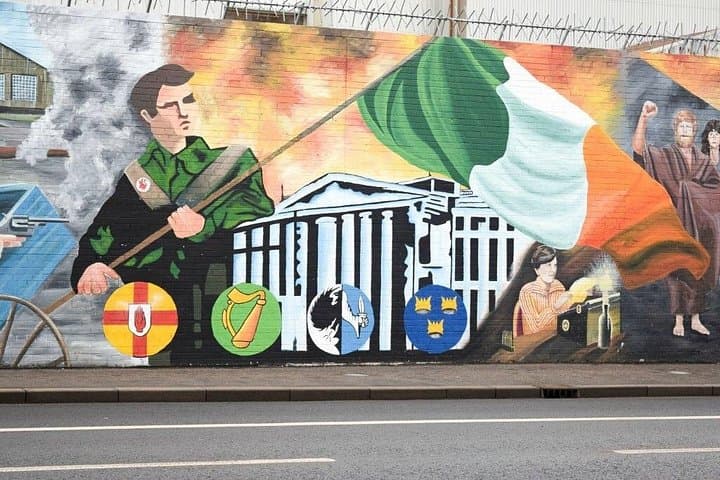
From there the taxi threads the Falls Road, where republican murals animate political memory, then crosses through the Peace Gates to the longest of the city’s segregation structures. Each mural functions like oral history set in pigment—paramount events, local figures, and everyday resilience rendered at street scale.
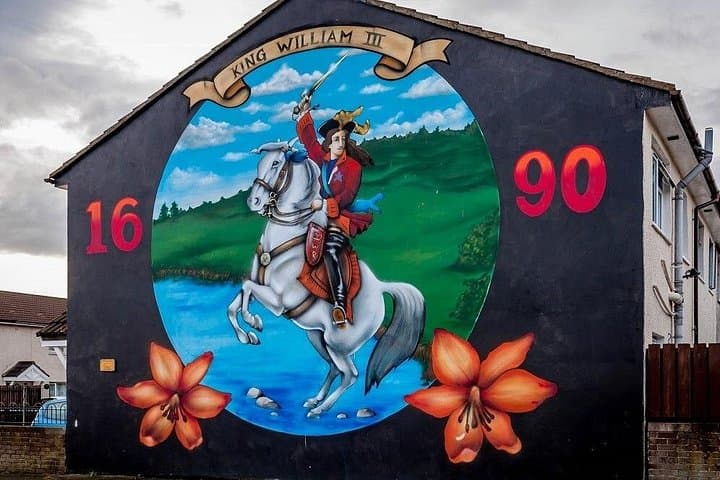
Move on to Shankill Road and the loyalist murals: the contrast is both visual and emotional, an urban palimpsest of allegiance and loss. Guides on this tour are local storytellers who lived through the Troubles; their accounts combine personal memory with civic milestones—the internment years, the hunger strikes, and the peace process that reshaped neighborhoods.
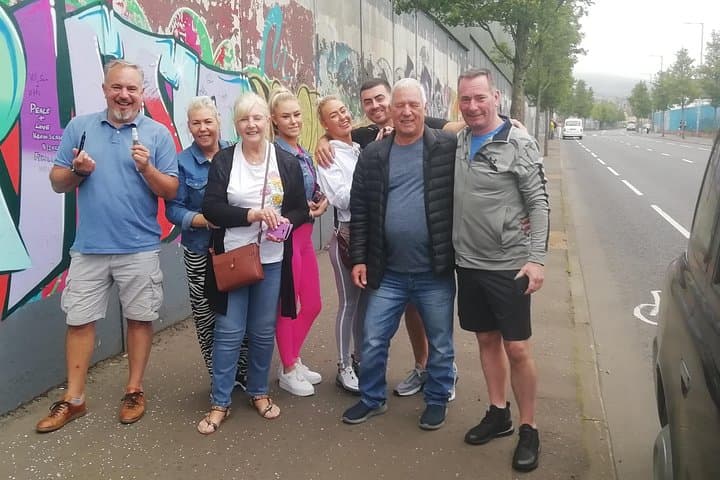
Practicalities are straightforward. The one-hour private taxi format minimizes walking but includes several short photo stops and a chance to leave a message on the Peace Wall. Expect abrupt weather changes—bring a waterproof layer—and prepare for candid conversations; photography is common but ask first when portraits of people or private property are involved.
This tour is best for travelers who want context as well as visuals: it’s a compact, intense introduction to Belfast’s contested murals and the communities that made them.
The tour is one hour long, private, and includes several short stops for photos and commentary.
Yes — the tour is described as easy and stroller-accessible; there is minimal walking but guests must be able to get in and out of a taxi.
Yes — the itinerary includes time at the Peace Wall where visitors commonly write messages; your guide will advise on suitable places and etiquette.
Yes — guides are local, fully certified, and many lived through the Troubles, offering first-hand perspectives complemented by historical context.
Belfast.Tours operates guided outdoor trips and adventures with an emphasis on safety, stewardship, and memorable experiences.
You ease into a black taxi as the driver navigates narrow streets where paint still clings to brickwork and voices from the past linger in doorways.
You ease into a black taxi as the driver navigates narrow streets where paint still clings to brickwork and voices from the past linger in doorways.
The first stop outside Divis Tower sets the tone: a short briefing that stitches together geography and grievance—how the River Lagan and the ridgelines of the Antrim Plateau framed Belfast's expansion and its communities.
From there the taxi threads the Falls Road, where republican murals animate political memory, then crosses through the Peace Gates to the longest of the city’s segregation structures. Each mural functions like oral history set in pigment—paramount events, local figures, and everyday resilience rendered at street scale.
Move on to Shankill Road and the loyalist murals: the contrast is both visual and emotional, an urban palimpsest of allegiance and loss. Guides on this tour are local storytellers who lived through the Troubles; their accounts combine personal memory with civic milestones—the internment years, the hunger strikes, and the peace process that reshaped neighborhoods.
Practicalities are straightforward. The one-hour private taxi format minimizes walking but includes several short photo stops and a chance to leave a message on the Peace Wall. Expect abrupt weather changes—bring a waterproof layer—and prepare for candid conversations; photography is common but ask first when portraits of people or private property are involved.
This tour is best for travelers who want context as well as visuals: it’s a compact, intense introduction to Belfast’s contested murals and the communities that made them.