THE ADVENTURE COLLECTIVE® · Independent discovery and booking for outdoor travel

Ride Belfast’s famous black cabs for a two‑hour tour of Republican and Loyalist murals, Peace Walls and community landmarks. Guides—many with direct experience of the Troubles—explain the art, history and path toward reconciliation.
Ride Belfast’s famous black cabs for a two‑hour tour of Republican and Loyalist murals, Peace Walls and community landmarks. Guides—many with direct experience of the Troubles—explain the art, history and path toward reconciliation.
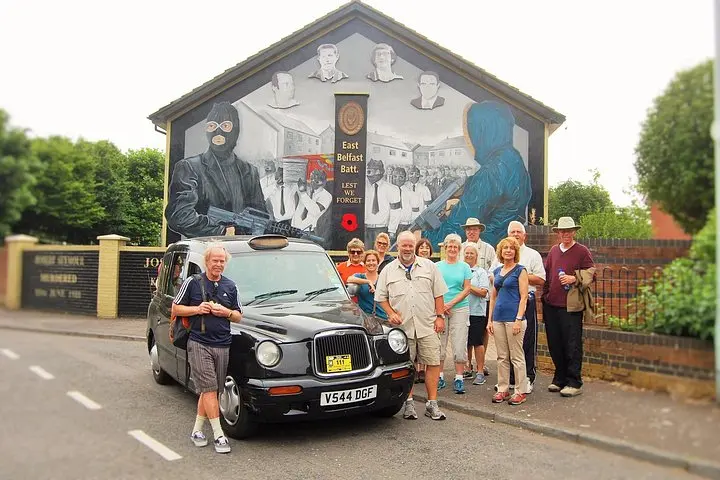
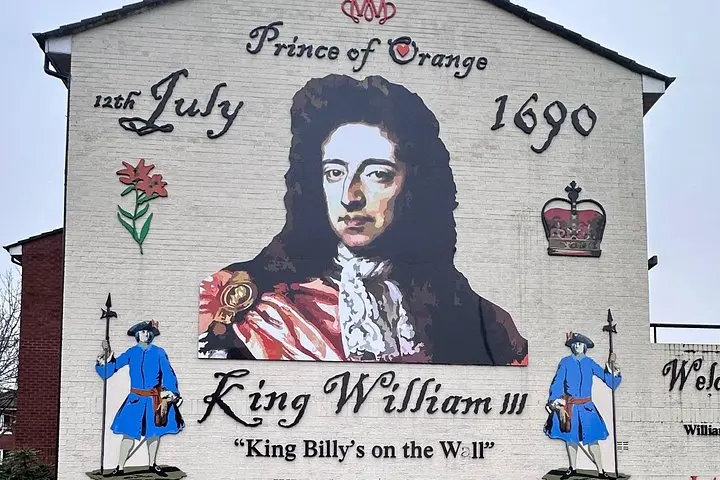
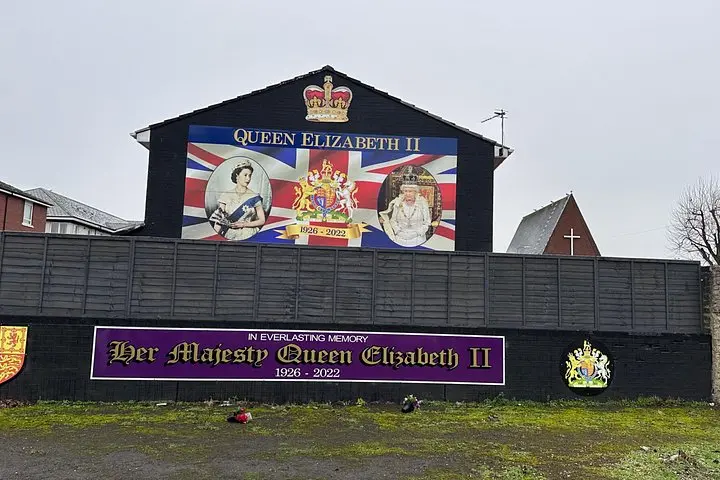
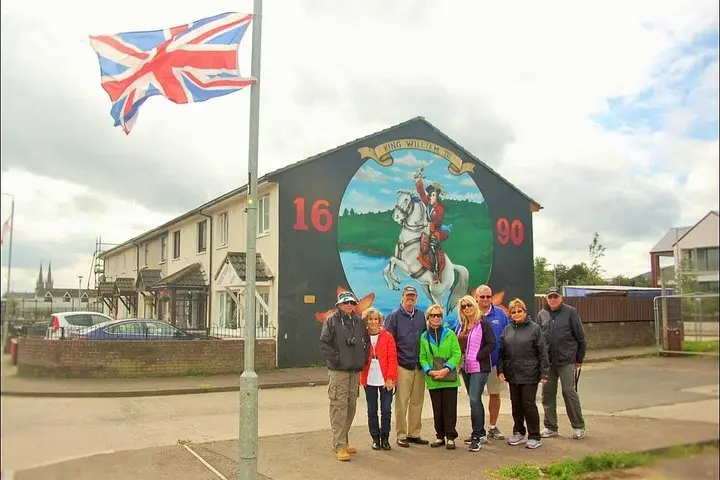
The back seat of a black taxi hums as the city slides past: brick terraces, high-painted gable ends and a wall that refuses to be ignored. Murals loom and stare back—faces, flags and slogans hand-painted by residents who used art to mark place and memory. In two hours the cab threads between Falls Road and the Shankill, pausing where paint, politics and daily life meet.
Verified experiences and guided adventures in the surrounding area.
Operated by Belfast famous black taxi tours · Belfast, Northern Ireland
The back seat of a black taxi hums as the city slides past: brick terraces, high-painted gable ends and a wall that refuses to be ignored. Murals loom and stare back—faces, flags and slogans hand-painted by residents who used art to mark place and memory. In two hours the cab threads between Falls Road and the Shankill, pausing where paint, politics and daily life meet.
Belfast’s murals are a living record of the 20th-century conflict known as The Troubles and of the community stories that came after. You’ll see tributes to hunger strikers and paramilitary iconography, alongside internationally themed panels that connect local politics to global causes. Geologically, the city sits on the edge of the Antrim basalts; the same volcanic stone that shapes County Antrim underwrites many local buildings, giving facades a dark, durable edge that frames the murals.
Culturally these walls act as both warning and welcome: a language of identity that tour drivers—many of them former black cab drivers who ferried people through violent streets—explain with context, humor and hard-earned perspective. Stops include the Bobby Sands mural, the H-Block memorials, Clonard Monastery and stretches of the Peace Walls where signage and new community art mark slow reconciliation.
Practical notes: the meeting point is generally central Belfast (within 1 km of City Hall), the tour is two hours, and it’s largely pavement-based with short walks. Bring a camera but ask before photographing people’s homes or private memorials. Wear sturdy shoes and a weatherproof layer—rain and wind can arrive fast. Listen to guides: their firsthand stories are the best route to understanding a complex city.
Pickup is within a 1 km radius of Belfast City Hall; the tour returns to central Belfast at the end of the two-hour route.
Yes — the tour is primarily in the taxi with short, optional walks; inform the operator of mobility needs when booking for any required adjustments.
Yes, but you should ask before photographing people, interior memorials, or private property—guides will advise on sensitive areas.
Tipping is customary for knowledgeable local guides; small cash tips at the end of the tour are appreciated.
Belfast famous black taxi tours operates guided outdoor trips and adventures with an emphasis on safety, stewardship, and memorable experiences.
The back seat of a black taxi hums as the city slides past: brick terraces, high-painted gable ends and a wall that refuses to be ignored. Murals loom and stare back—faces, flags and slogans hand-painted by residents who used art to mark place and memory. In two hours the cab threads between Falls Road and the Shankill, pausing where paint, politics and daily life meet.
The back seat of a black taxi hums as the city slides past: brick terraces, high-painted gable ends and a wall that refuses to be ignored. Murals loom and stare back—faces, flags and slogans hand-painted by residents who used art to mark place and memory. In two hours the cab threads between Falls Road and the Shankill, pausing where paint, politics and daily life meet.
Belfast’s murals are a living record of the 20th-century conflict known as The Troubles and of the community stories that came after. You’ll see tributes to hunger strikers and paramilitary iconography, alongside internationally themed panels that connect local politics to global causes. Geologically, the city sits on the edge of the Antrim basalts; the same volcanic stone that shapes County Antrim underwrites many local buildings, giving facades a dark, durable edge that frames the murals.
Culturally these walls act as both warning and welcome: a language of identity that tour drivers—many of them former black cab drivers who ferried people through violent streets—explain with context, humor and hard-earned perspective. Stops include the Bobby Sands mural, the H-Block memorials, Clonard Monastery and stretches of the Peace Walls where signage and new community art mark slow reconciliation.
Practical notes: the meeting point is generally central Belfast (within 1 km of City Hall), the tour is two hours, and it’s largely pavement-based with short walks. Bring a camera but ask before photographing people’s homes or private memorials. Wear sturdy shoes and a weatherproof layer—rain and wind can arrive fast. Listen to guides: their firsthand stories are the best route to understanding a complex city.