THE ADVENTURE COLLECTIVE® · Independent discovery and booking for outdoor travel

Walk Belfast with a guide who lived the Troubles — this four-hour eyewitness tour layers personal testimony over city murals, peace lines, and civic memory. Practical tips on transport, accessibility, and emotional preparation help you plan an informed visit.
Walk Belfast with a guide who lived the Troubles — this four-hour eyewitness tour layers personal testimony over city murals, peace lines, and civic memory. Practical tips on transport, accessibility, and emotional preparation help you plan an informed visit.
You step off the bus into a Belfast morning that still carries the city’s voice: brick facades, the river Lagan moving with a brisk purpose, muraled walls that point like markers on a map of memory.
Verified experiences and guided adventures in the surrounding area.
Operated by Odyssey Walking Tours · Belfast, Northern Ireland
You step off the bus into a Belfast morning that still carries the city’s voice: brick facades, the river Lagan moving with a brisk purpose, muraled walls that point like markers on a map of memory.
This four-hour walking tour is not a scripted history lesson but an eyewitness account delivered by a guide who grew up through the Troubles — the decades-long conflict that shaped modern Northern Ireland. Expect stops at contested neighborhoods, peace lines, and public murals. The narrative threads local politics, community resilience, and the urban geography that funneled confrontation into specific streets. Geology is quiet here — glacial-turned-peat soils underlie the city — but the cultural landscape is raw and immediate: pubs, community centers, and memorials that speak to families and factions.
Practical details matter: this is mostly pavement and city stairs with intermittent inclines; wear supportive shoes and plan for rain. The guide’s stories can be emotionally intense — they often pair factual context (key dates, the Good Friday Agreement) with personal memory. Photography is generally allowed, but respect requests in sensitive locations. Public transport day-passes are recommended; the tour notes a local pass costing around £5 available at the Visitor Centre or on the day.
Accessibility is mixed: some transport and sections are wheelchair-capable, but the tour notes it may not suit those with significant mobility limits. Bring water, layers for sudden showers, and time afterward to digest what you’ve heard — many travelers find a quiet café or the riverside a necessary pause.
The tour runs about four hours; meeting and exact start point are provided at booking — common meeting areas are near Belfast City Centre or the Visitor Centre.
Photography is generally allowed but follow the guide’s direction and respect requests from locals in sensitive areas.
Children can attend but content is emotional; the operator lists wheelchair-accessible transport but notes it may not be suitable for travelers with significant mobility impairments.
Expect both: the guide combines eyewitness accounts with historical background, dates, and civic context so visitors understand events and locations.
Odyssey Walking Tours operates guided outdoor trips and adventures with an emphasis on safety, stewardship, and memorable experiences.
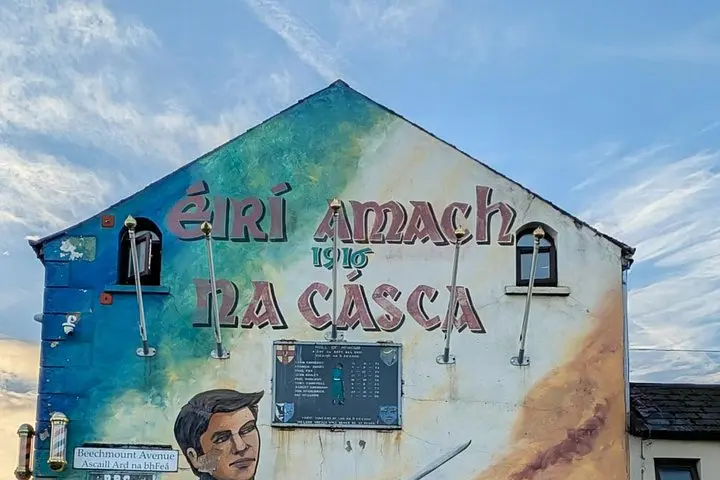
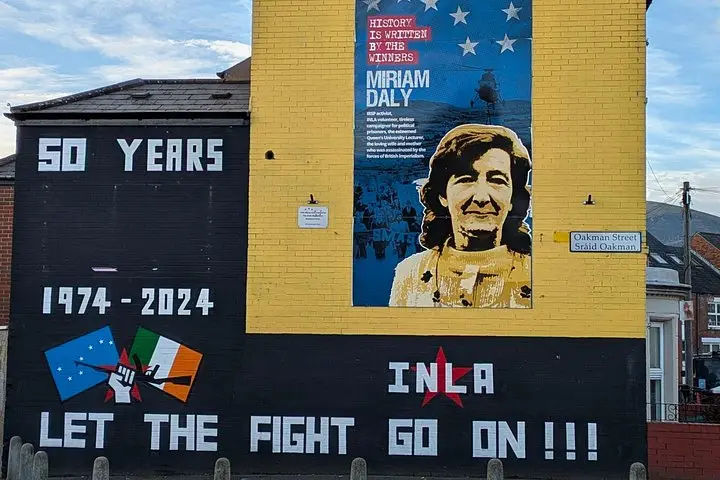
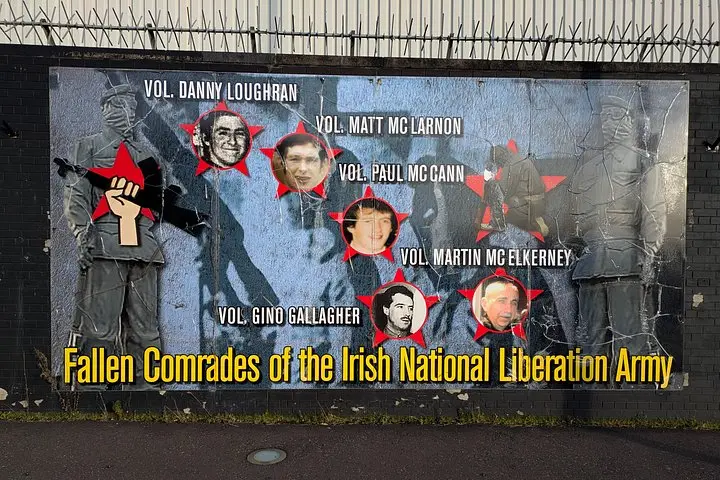
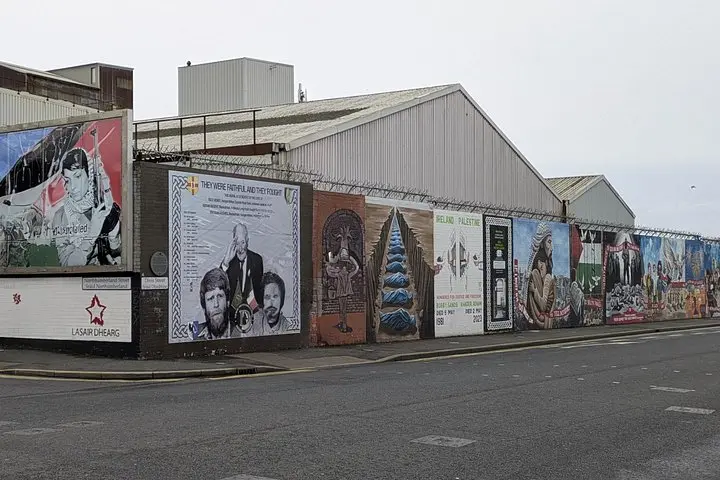
You step off the bus into a Belfast morning that still carries the city’s voice: brick facades, the river Lagan moving with a brisk purpose, muraled walls that point like markers on a map of memory.
You step off the bus into a Belfast morning that still carries the city’s voice: brick facades, the river Lagan moving with a brisk purpose, muraled walls that point like markers on a map of memory.
This four-hour walking tour is not a scripted history lesson but an eyewitness account delivered by a guide who grew up through the Troubles — the decades-long conflict that shaped modern Northern Ireland. Expect stops at contested neighborhoods, peace lines, and public murals. The narrative threads local politics, community resilience, and the urban geography that funneled confrontation into specific streets. Geology is quiet here — glacial-turned-peat soils underlie the city — but the cultural landscape is raw and immediate: pubs, community centers, and memorials that speak to families and factions.
Practical details matter: this is mostly pavement and city stairs with intermittent inclines; wear supportive shoes and plan for rain. The guide’s stories can be emotionally intense — they often pair factual context (key dates, the Good Friday Agreement) with personal memory. Photography is generally allowed, but respect requests in sensitive locations. Public transport day-passes are recommended; the tour notes a local pass costing around £5 available at the Visitor Centre or on the day.
Accessibility is mixed: some transport and sections are wheelchair-capable, but the tour notes it may not suit those with significant mobility limits. Bring water, layers for sudden showers, and time afterward to digest what you’ve heard — many travelers find a quiet café or the riverside a necessary pause.