THE ADVENTURE COLLECTIVE® · Independent discovery and booking for outdoor travel

Explore Belize City on a private, two-hour walking tour that connects colonial landmarks, Garifuna culture, and waterfront life. Ideal for travelers who want compact history, local stories, and easy logistics.
Explore Belize City on a private, two-hour walking tour that connects colonial landmarks, Garifuna culture, and waterfront life. Ideal for travelers who want compact history, local stories, and easy logistics.
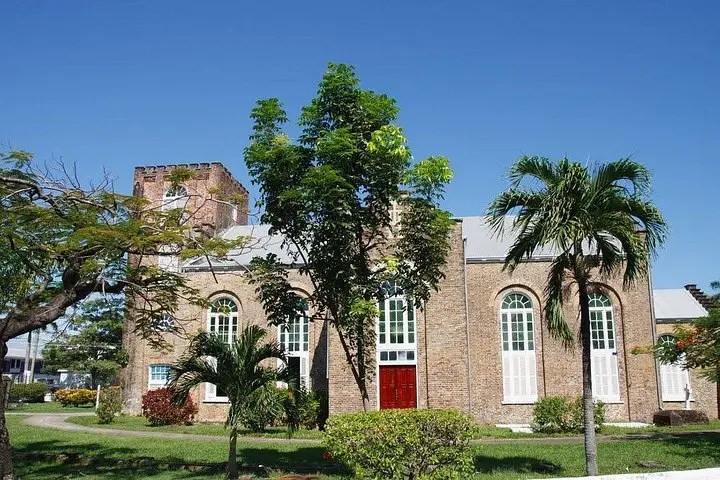
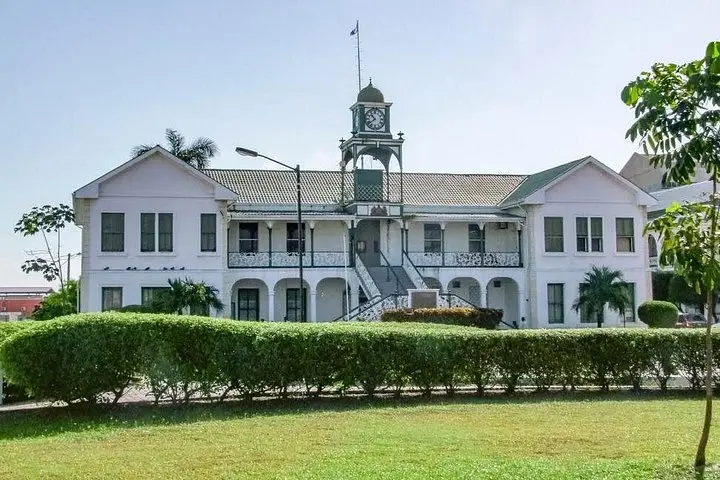
You step off the sidewalk at Government House and the city unfolds: wide streets ringed by colonial facades, pelicans drifting over the harbor, and the constant susurrus of commerce. The guide, local and animated, points out the Swing Bridge’s ironwork swinging open for boats, the squat profile of St. John’s Anglican Cathedral, and the low stone walls that survived Hurricane Hattie.
Verified experiences and guided adventures in the surrounding area.
Operated by Opatrip.com Belize · Belize City, Belize District
You step off the sidewalk at Government House and the city unfolds: wide streets ringed by colonial facades, pelicans drifting over the harbor, and the constant susurrus of commerce. The guide, local and animated, points out the Swing Bridge’s ironwork swinging open for boats, the squat profile of St. John’s Anglican Cathedral, and the low stone walls that survived Hurricane Hattie.
Belize City was the country’s colonial capital, a hub for British logwood and mahogany extraction from the 1600s into the 19th century. Geologically, the city sits on low coastal plains above a limestone shelf that feeds mangroves and estuaries along the Caribbean—conditions that shaped both settlement patterns and trade. Culturally the city is a blend: Creole and Garifuna neighborhoods, colonial-era government buildings, and street vendors selling fry jacks and fresh seafood.
On a two-hour private walking tour you’ll move at a measured pace, stopping at the Museum of Belize to see Garifuna exhibits and archival photos, circling the cathedral courtyard, and finishing at Fort George Memorial Park with views of the Belize River mouth. Expect paved sidewalks, some uneven curbs, short stairs at historic sites, and open sun along the waterfront.
Practicalities: bring sun protection, a refillable water bottle, local cash for small museum or market purchases, and lightweight, closed-toe shoes. Early morning or late afternoon tours avoid the midday heat and offer better light for photos. This tour is an accessible, compact way to layer history, culture, and coastal city life into a single, walkable experience.
English is the official language and is used by guides; you may also hear Creole and Garifuna in neighborhood conversations.
Yes—this private tour is paced for all ages and physical abilities, with mostly paved, short-distance walking.
The Museum of Belize entrance is typically covered by the tour inclusion, but bring small local cash for donations, souvenirs, or street snacks.
Belize is tropical—expect humidity year-round; early morning or late afternoon tours avoid the hottest sun and are most comfortable.
Opatrip.com Belize operates guided outdoor trips and adventures with an emphasis on safety, stewardship, and memorable experiences.

You step off the sidewalk at Government House and the city unfolds: wide streets ringed by colonial facades, pelicans drifting over the harbor, and the constant susurrus of commerce. The guide, local and animated, points out the Swing Bridge’s ironwork swinging open for boats, the squat profile of St. John’s Anglican Cathedral, and the low stone walls that survived Hurricane Hattie.
You step off the sidewalk at Government House and the city unfolds: wide streets ringed by colonial facades, pelicans drifting over the harbor, and the constant susurrus of commerce. The guide, local and animated, points out the Swing Bridge’s ironwork swinging open for boats, the squat profile of St. John’s Anglican Cathedral, and the low stone walls that survived Hurricane Hattie.
Belize City was the country’s colonial capital, a hub for British logwood and mahogany extraction from the 1600s into the 19th century. Geologically, the city sits on low coastal plains above a limestone shelf that feeds mangroves and estuaries along the Caribbean—conditions that shaped both settlement patterns and trade. Culturally the city is a blend: Creole and Garifuna neighborhoods, colonial-era government buildings, and street vendors selling fry jacks and fresh seafood.
On a two-hour private walking tour you’ll move at a measured pace, stopping at the Museum of Belize to see Garifuna exhibits and archival photos, circling the cathedral courtyard, and finishing at Fort George Memorial Park with views of the Belize River mouth. Expect paved sidewalks, some uneven curbs, short stairs at historic sites, and open sun along the waterfront.
Practicalities: bring sun protection, a refillable water bottle, local cash for small museum or market purchases, and lightweight, closed-toe shoes. Early morning or late afternoon tours avoid the midday heat and offer better light for photos. This tour is an accessible, compact way to layer history, culture, and coastal city life into a single, walkable experience.