THE ADVENTURE COLLECTIVE® · Independent discovery and booking for outdoor travel

Spend a full day chasing bonefish, permit, and tarpon off Placencia’s shallow flats. This guided trip blends informed local guiding, lunch and snorkeling options, and a focus on sustainable catch-and-release practices.
Spend a full day chasing bonefish, permit, and tarpon off Placencia’s shallow flats. This guided trip blends informed local guiding, lunch and snorkeling options, and a focus on sustainable catch-and-release practices.
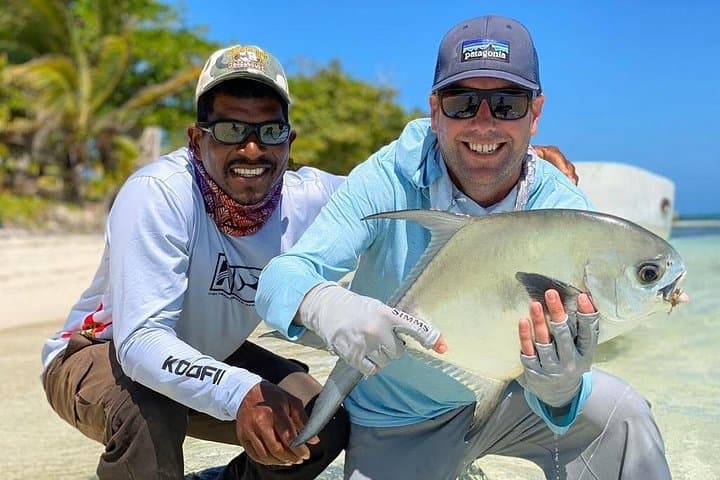
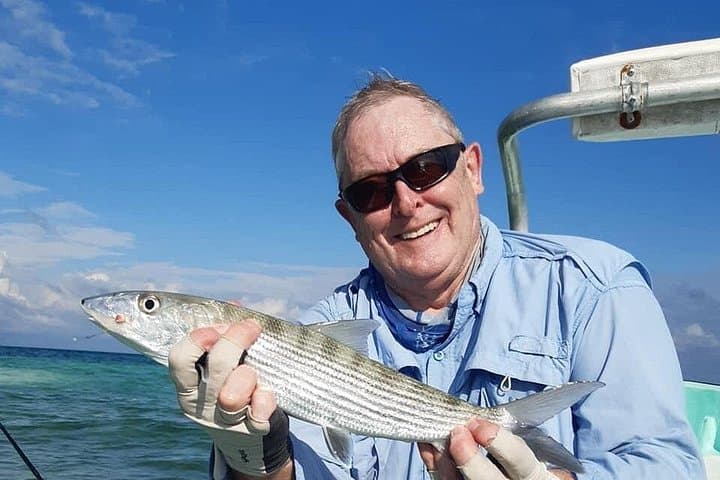
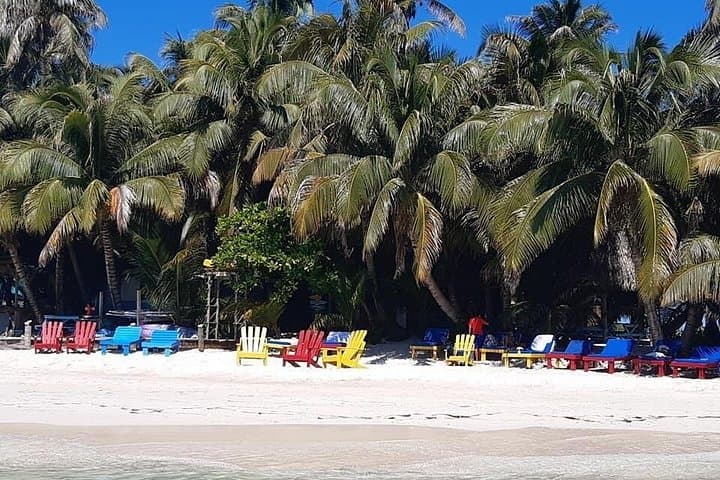
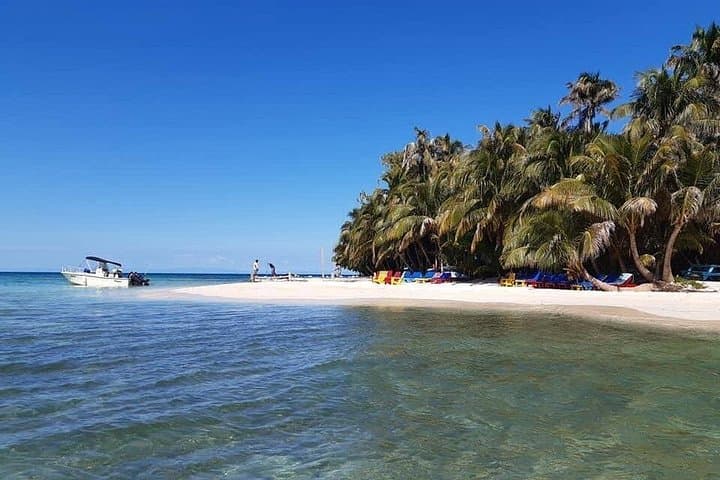
The morning opens with the soft slap of wake against a skiff and the sky the color of pale rum. Off Placencia, the flats stretch like a shallow stage—sandy shoals, shadowed seagrass, and the occasional rise where a fish has inspected the surface. Guides move with practiced quiet, scanning the water for the silver flash of bonefish or the slow roll of a permit. The pace is deliberate: stalk, cast, and read the water.
Verified experiences and guided adventures in the surrounding area.
Operated by DK Fishing Adventures and Tours · Placencia, Stann Creek District
The morning opens with the soft slap of wake against a skiff and the sky the color of pale rum. Off Placencia, the flats stretch like a shallow stage—sandy shoals, shadowed seagrass, and the occasional rise where a fish has inspected the surface. Guides move with practiced quiet, scanning the water for the silver flash of bonefish or the slow roll of a permit. The pace is deliberate: stalk, cast, and read the water.
Belize’s flats fishing has deep roots in local life and coastal ecology. The barrier reef and its fringing seagrass beds formed over millennia, creating the shallow plains that support bonefish, permit, tarpon, and juvenile snapper. Placencia, in Stann Creek District, has long been a launching point for anglers drawn to these clear, shallow waters and to a culture shaped by Creole, Garifuna, and Maya traditions. Between casts, skiffs may glide past finger-thin mangrove channels that once served as canoe routes and fish nurseries for generations.
Geology and tides dictate the day. At low tide the flats expose channels and sandbars; at high tide fish move in to feed on shrimp and crabs. Guides read tidal windows to position anglers within casting distance of likely feeding lanes. The work is as much natural history as it is sport: understanding moon phases, wind, and currents improves success.
The operation running this full-day trip tailors the itinerary to guest preference—fly fishing, light-tackle spin casting, or a mix—while providing lunch and snorkeling gear to add variety. Expect an eight-hour day that includes multiple fishing stops, a protected lunch anchor, and time to snorkel a healthy patch of reef if the group chooses.
Practicalities are straightforward. Bring reef-safe sunscreen, a wide-brim hat, polarized sunglasses, and a light long-sleeve shirt for sun protection. The operator supplies common rods and tackle, but anglers who prefer their own fly rod should bring it. Hydration and seasickness medicine are smart: even calm days can get rolly on the open water. The outfitter enforces conservation-minded practices; catch-and-release is standard for many flats species, and guides will help handle fish carefully.
This trip suits anglers with a moderate fitness level who can stand and cast repeatedly from a moving skiff. It’s also a good choice for mixed groups where non-anglers may snorkel or explore nearby mangroves. Weather windows and the region’s wet season influence availability—book early for dry-season dates.
By day’s end the boat eases back toward the Placencia shoreline, rods secured and stories already accumulating—about the one that got away, the improbable permit shot, the sudden strike in knee-deep water. For anyone seeking a full day on classic Caribbean flats, this outing balances sport, local insight, and a practical approach to Belize’s fragile coastal ecosystems.
No—guides accommodate beginners and experienced anglers; those new to fly-fishing will receive casting help and instruction.
Bonefish are common on the flats; permit and tarpon are also targeted depending on tides, season, and conditions.
Yes—the outfitter supplies standard rods, reels, and tackle, though experienced anglers may bring personal gear.
Yes—non-anglers can snorkel, relax on the skiff, or explore mangrove edges during the day’s stops.
Full refunds are available if you cancel at least 24 hours before the scheduled departure; trips may be canceled for bad weather.
Children are allowed but must sit on laps if infants; operators assess safety and recommend moderate fitness levels for participants.
DK Fishing Adventures and Tours operates guided outdoor trips and adventures with an emphasis on safety, stewardship, and memorable experiences.
The morning opens with the soft slap of wake against a skiff and the sky the color of pale rum. Off Placencia, the flats stretch like a shallow stage—sandy shoals, shadowed seagrass, and the occasional rise where a fish has inspected the surface. Guides move with practiced quiet, scanning the water for the silver flash of bonefish or the slow roll of a permit. The pace is deliberate: stalk, cast, and read the water.
The morning opens with the soft slap of wake against a skiff and the sky the color of pale rum. Off Placencia, the flats stretch like a shallow stage—sandy shoals, shadowed seagrass, and the occasional rise where a fish has inspected the surface. Guides move with practiced quiet, scanning the water for the silver flash of bonefish or the slow roll of a permit. The pace is deliberate: stalk, cast, and read the water.
Belize’s flats fishing has deep roots in local life and coastal ecology. The barrier reef and its fringing seagrass beds formed over millennia, creating the shallow plains that support bonefish, permit, tarpon, and juvenile snapper. Placencia, in Stann Creek District, has long been a launching point for anglers drawn to these clear, shallow waters and to a culture shaped by Creole, Garifuna, and Maya traditions. Between casts, skiffs may glide past finger-thin mangrove channels that once served as canoe routes and fish nurseries for generations.
Geology and tides dictate the day. At low tide the flats expose channels and sandbars; at high tide fish move in to feed on shrimp and crabs. Guides read tidal windows to position anglers within casting distance of likely feeding lanes. The work is as much natural history as it is sport: understanding moon phases, wind, and currents improves success.
The operation running this full-day trip tailors the itinerary to guest preference—fly fishing, light-tackle spin casting, or a mix—while providing lunch and snorkeling gear to add variety. Expect an eight-hour day that includes multiple fishing stops, a protected lunch anchor, and time to snorkel a healthy patch of reef if the group chooses.
Practicalities are straightforward. Bring reef-safe sunscreen, a wide-brim hat, polarized sunglasses, and a light long-sleeve shirt for sun protection. The operator supplies common rods and tackle, but anglers who prefer their own fly rod should bring it. Hydration and seasickness medicine are smart: even calm days can get rolly on the open water. The outfitter enforces conservation-minded practices; catch-and-release is standard for many flats species, and guides will help handle fish carefully.
This trip suits anglers with a moderate fitness level who can stand and cast repeatedly from a moving skiff. It’s also a good choice for mixed groups where non-anglers may snorkel or explore nearby mangroves. Weather windows and the region’s wet season influence availability—book early for dry-season dates.
By day’s end the boat eases back toward the Placencia shoreline, rods secured and stories already accumulating—about the one that got away, the improbable permit shot, the sudden strike in knee-deep water. For anyone seeking a full day on classic Caribbean flats, this outing balances sport, local insight, and a practical approach to Belize’s fragile coastal ecosystems.