THE ADVENTURE COLLECTIVE® · Independent discovery and booking for outdoor travel

Explore Bellanwila’s carved panels, painted image house and living rituals on a three‑hour guided tour that decodes Theravada Buddhist symbolism. Ideal for art and history lovers wanting an accessible, immersive temple visit near Colombo.
Explore Bellanwila’s carved panels, painted image house and living rituals on a three‑hour guided tour that decodes Theravada Buddhist symbolism. Ideal for art and history lovers wanting an accessible, immersive temple visit near Colombo.
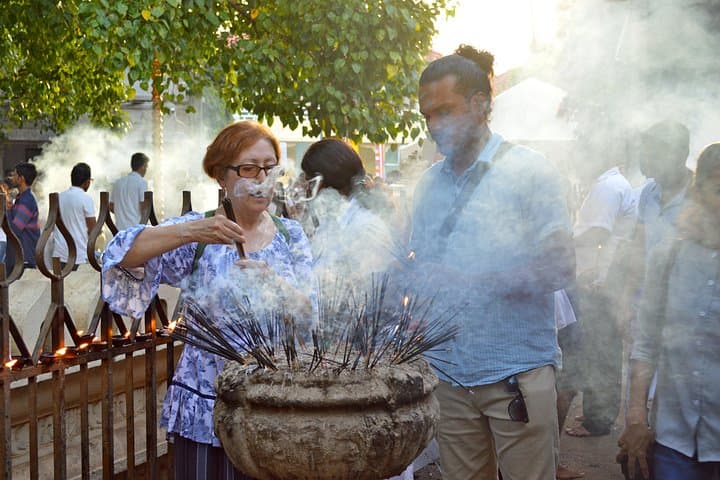
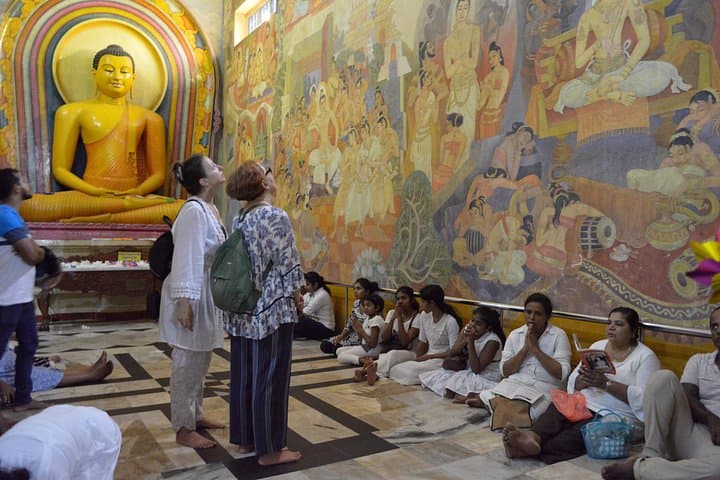
The path from Galle Road eases you off the main artery and into a quieter neighborhood where the bell of Bellanwila cuts through humid air. At the entrance gate, carved wooden panels and the hush of prayer prepare you for a three‑hour, focused study of Theravada iconography; sunlight pools through lone windows and paints the sitting Buddha in a soft halo, while the image house keeps a quieter palette of narrative paintings.
Verified experiences and guided adventures in the surrounding area.
Operated by Lakpura LLC · Colombo, Western Province
The path from Galle Road eases you off the main artery and into a quieter neighborhood where the bell of Bellanwila cuts through humid air. At the entrance gate, carved wooden panels and the hush of prayer prepare you for a three‑hour, focused study of Theravada iconography; sunlight pools through lone windows and paints the sitting Buddha in a soft halo, while the image house keeps a quieter palette of narrative paintings.
Bellanwila’s story is threaded with sacred botany and migration—locally revered as a site planted with a sapling from the Sri Maha Bodhi lineage, the temple has drawn devotees and painters for centuries. The image house borrows architectural cues from Polonnaruwa’s Lankathilaka style, which helps explain the layered iconography: postures, mudras, attendant figures and painted Jataka tales that read like illustrated sermons.
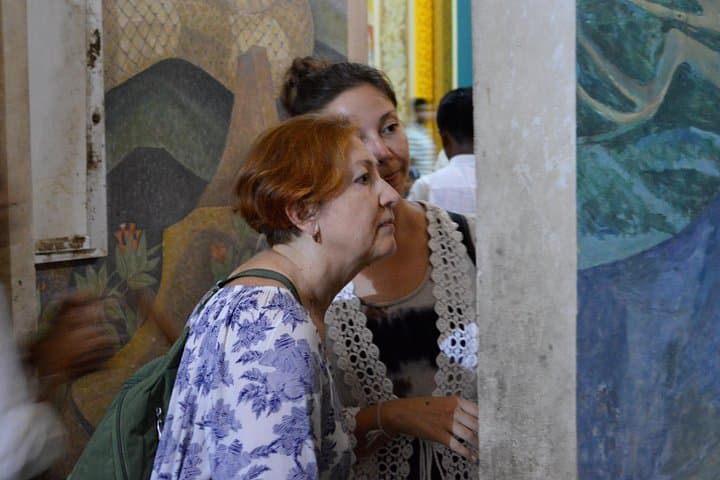
A guided tour breaks the art into readable motifs—hand positions that name states of mind, carved panels that map practice, and ritual objects that mark community life. Expect conversation with resident monks, translations of inscriptions, and close looks at painted panels that have been reworked over generations.
Practical notes: modest dress and removing shoes are required; interiors are dim—carry a small torch and a water bottle for Colombo heat. Visits fit easily into a half‑day from central Colombo; combine this stop with nearby Attidiya Wetland or Dehiwala for a fuller cultural‑natural outing. The experience is best mid‑morning or late afternoon to avoid midday crowds and heavy rains.
Yes—shoes and hats are removed at the entrance to shrines and image houses; wear footwear that’s easy to take off.
Non‑flash photography is generally permitted in public areas, but always ask your guide or a monk before photographing sacred icons or people during rituals.
The temple grounds are partially accessible, but some steps and uneven surfaces exist in older structures; contact your guide ahead of time to plan for mobility needs.
A taxi from Colombo Fort or Galle Road (via Dehiwela Junction) takes roughly 20–40 minutes depending on traffic; public buses run nearby but a cab is faster and more direct.
Lakpura LLC operates guided outdoor trips and adventures with an emphasis on safety, stewardship, and memorable experiences.

The path from Galle Road eases you off the main artery and into a quieter neighborhood where the bell of Bellanwila cuts through humid air. At the entrance gate, carved wooden panels and the hush of prayer prepare you for a three‑hour, focused study of Theravada iconography; sunlight pools through lone windows and paints the sitting Buddha in a soft halo, while the image house keeps a quieter palette of narrative paintings.
The path from Galle Road eases you off the main artery and into a quieter neighborhood where the bell of Bellanwila cuts through humid air. At the entrance gate, carved wooden panels and the hush of prayer prepare you for a three‑hour, focused study of Theravada iconography; sunlight pools through lone windows and paints the sitting Buddha in a soft halo, while the image house keeps a quieter palette of narrative paintings.
Bellanwila’s story is threaded with sacred botany and migration—locally revered as a site planted with a sapling from the Sri Maha Bodhi lineage, the temple has drawn devotees and painters for centuries. The image house borrows architectural cues from Polonnaruwa’s Lankathilaka style, which helps explain the layered iconography: postures, mudras, attendant figures and painted Jataka tales that read like illustrated sermons.
A guided tour breaks the art into readable motifs—hand positions that name states of mind, carved panels that map practice, and ritual objects that mark community life. Expect conversation with resident monks, translations of inscriptions, and close looks at painted panels that have been reworked over generations.
Practical notes: modest dress and removing shoes are required; interiors are dim—carry a small torch and a water bottle for Colombo heat. Visits fit easily into a half‑day from central Colombo; combine this stop with nearby Attidiya Wetland or Dehiwala for a fuller cultural‑natural outing. The experience is best mid‑morning or late afternoon to avoid midday crowds and heavy rains.