THE ADVENTURE COLLECTIVE® · Independent discovery and booking for outdoor travel

Walk Nice’s Belle Époque avenues with a historian who opens doors to private Russian churches and palaces. This three-hour private tour blends architecture, local flavors, and inside access to two landmark Orthodox sites.
Walk Nice’s Belle Époque avenues with a historian who opens doors to private Russian churches and palaces. This three-hour private tour blends architecture, local flavors, and inside access to two landmark Orthodox sites.
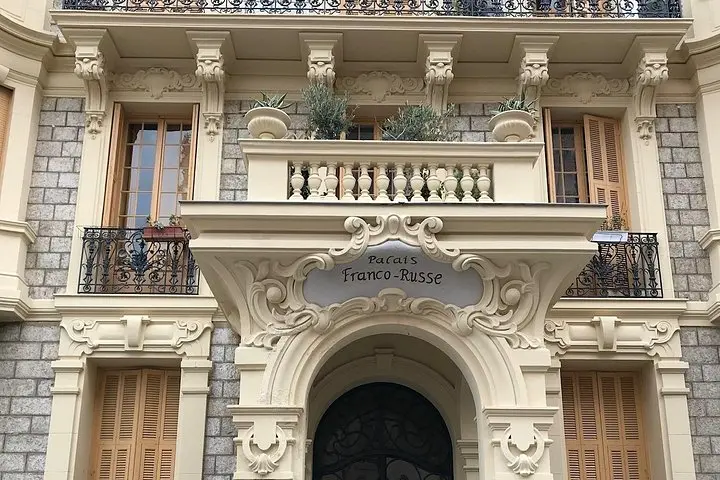
You step off Boulevard Victor Hugo and the street opens like a page from a travel chronicle: pale stone palaces, ornate balconies, and a light that bounces off the Baie des Anges. The guide—an art historian by training—leads down a measured route, stopping under carved cornices and in glassy arcades where the era’s wealth still announces itself.
Verified experiences and guided adventures in the surrounding area.
Operated by Tatiana Rechitko · Nice, Provence-Alpes-Côte d'Azur
You step off Boulevard Victor Hugo and the street opens like a page from a travel chronicle: pale stone palaces, ornate balconies, and a light that bounces off the Baie des Anges. The guide—an art historian by training—leads down a measured route, stopping under carved cornices and in glassy arcades where the era’s wealth still announces itself.
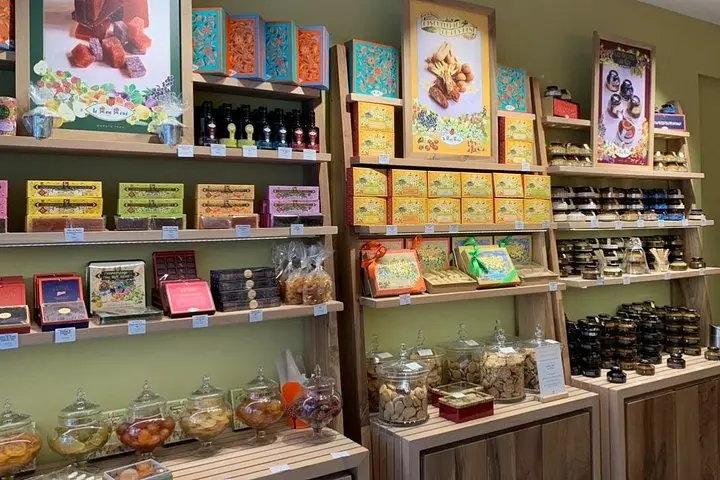
The walk threads the Musicians’ Quarter and the avenues favored by 19th-century visitors from across Europe, especially Russian nobility who left churches and private chapels as their signatures. Geology here is subtle: limestone foundations sculpted by sea and scarred by centuries of urban expansion. Culture is visible in façades and market stalls—local sellers still trade socca and olives, living links to the city’s Mediterranean palate.
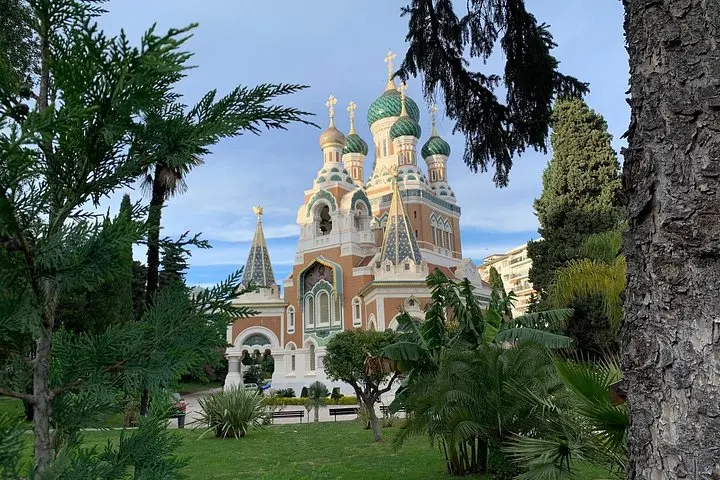
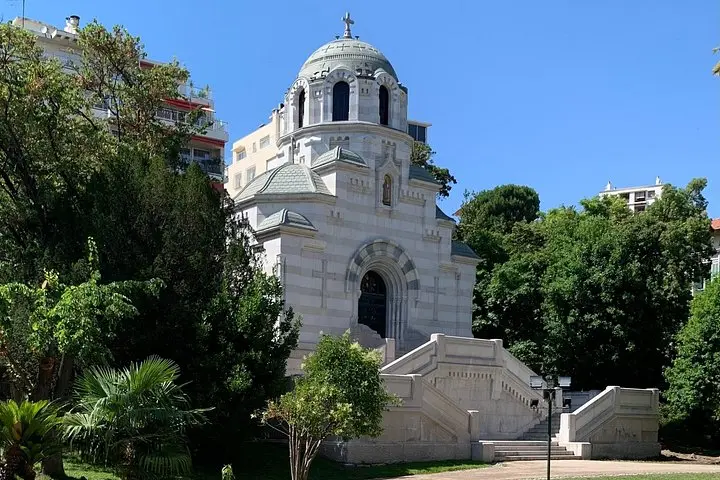
Expect two dedicated visits inside Russian Orthodox sites: the 1859 church and the grand cathedral built later under the tsars. Both contain icons, woodwork, and emblems of Nice’s winter-season cosmopolitanism. Between stops you’ll sample regional products and trace municipal planning from the early 1800s that shaped today’s boulevards.
Practical notes: this is an easy, mostly flat 3-hour private walk across paved streets; allow comfortable shoes and a light jacket for the coastal breeze. Photography is usually allowed, but respect liturgical spaces and modest dress for church interiors. Morning or late-afternoon slots minimize crowds and bring sharper light for façades. The route is ideal for history lovers who want close-up access to architecture, artifacts, and small local producers without the standard tour-group pace.
The itinerary notes that admissions are included for the Russian church visits; confirm specifics with the operator at booking.
Yes—this is an easy-paced three-hour walk suitable for most ages, though some church entrances have steps; notify the guide of mobility needs.
Photography policies vary by religious site—your guide will advise; respectful, non-flash photos are generally accepted in many areas but always follow posted rules.
Nice’s public transport and tram network serve central boulevards; the guide will provide a pickup point and public transit options when you book.
Tatiana Rechitko operates guided outdoor trips and adventures with an emphasis on safety, stewardship, and memorable experiences.
You step off Boulevard Victor Hugo and the street opens like a page from a travel chronicle: pale stone palaces, ornate balconies, and a light that bounces off the Baie des Anges. The guide—an art historian by training—leads down a measured route, stopping under carved cornices and in glassy arcades where the era’s wealth still announces itself.
You step off Boulevard Victor Hugo and the street opens like a page from a travel chronicle: pale stone palaces, ornate balconies, and a light that bounces off the Baie des Anges. The guide—an art historian by training—leads down a measured route, stopping under carved cornices and in glassy arcades where the era’s wealth still announces itself.
The walk threads the Musicians’ Quarter and the avenues favored by 19th-century visitors from across Europe, especially Russian nobility who left churches and private chapels as their signatures. Geology here is subtle: limestone foundations sculpted by sea and scarred by centuries of urban expansion. Culture is visible in façades and market stalls—local sellers still trade socca and olives, living links to the city’s Mediterranean palate.
Expect two dedicated visits inside Russian Orthodox sites: the 1859 church and the grand cathedral built later under the tsars. Both contain icons, woodwork, and emblems of Nice’s winter-season cosmopolitanism. Between stops you’ll sample regional products and trace municipal planning from the early 1800s that shaped today’s boulevards.
Practical notes: this is an easy, mostly flat 3-hour private walk across paved streets; allow comfortable shoes and a light jacket for the coastal breeze. Photography is usually allowed, but respect liturgical spaces and modest dress for church interiors. Morning or late-afternoon slots minimize crowds and bring sharper light for façades. The route is ideal for history lovers who want close-up access to architecture, artifacts, and small local producers without the standard tour-group pace.