THE ADVENTURE COLLECTIVE® · Independent discovery and booking for outdoor travel

Spend a long day exploring towering Belogradchik Rocks and the chambered Venetsa Cave. This guided tour pairs dramatic geology with layered history, ideal for travelers seeking a singular Bulgarian landscape without overnight logistics.
Spend a long day exploring towering Belogradchik Rocks and the chambered Venetsa Cave. This guided tour pairs dramatic geology with layered history, ideal for travelers seeking a singular Bulgarian landscape without overnight logistics.
You leave Sofia before dawn and the city’s concrete gives way to folded hills and fields. By midmorning the road narrows and the Belogradchik Rocks appear like an army of red-brown sentinels along the valley — hulking cliffs and cone-shaped pillars that seem to have been carved by time with intent. The fortress sits partly inside those rocks; stone and cliff interlock so closely that the path climbs in and out of ancient masonry, with views that push the eye toward the Serbian border and the distant Balkan spine.
Verified experiences and guided adventures in the surrounding area.
Operated by Bulgarian Licensed Guide · Belogradchik, Vidin Province
You leave Sofia before dawn and the city’s concrete gives way to folded hills and fields. By midmorning the road narrows and the Belogradchik Rocks appear like an army of red-brown sentinels along the valley — hulking cliffs and cone-shaped pillars that seem to have been carved by time with intent. The fortress sits partly inside those rocks; stone and cliff interlock so closely that the path climbs in and out of ancient masonry, with views that push the eye toward the Serbian border and the distant Balkan spine.
The site is a lesson in slow processes. Geologists point to sandstone and conglomerate, layered and eroded over 200 million years, sculpting towers up to 200 meters high. Human history reads across that geology: a Roman castrum expanded by medieval Bulgarians, reinforced under Ottoman rule; the Belogradchik Fortress (Kalyata) wears each era like a layer of patina. The guide brings this forward with concise stories — how the fortress' loopholes and galleries make use of natural cracks, how the rocks were landmarks for merchants and armies moving through the corridor between Danube and mountains.
The second act is Venetsa Cave, opened for easier visits in recent years. You descend wooden steps and metal walkways into a cool, dim chamber where stalactites and stalagmites arrange themselves in quiet formations. The tour follows four distinct landings, each illustrating a different pace of underground time: slow drips, crystalline curtains, and columns stitched together over millennia. Guides explain mineral chemistry in plain language and warn politely about low ceilings and slippery stone.
Practical edge: this is a long day — expect 10–11 hours round trip from Sofia if you join the standard transfer — and a moderate amount of walking, including uneven stone steps at the fortress (roughly 1–1.5 km of paths with an elevation change of about 120–180 m) and about 500–800 m of cave walkways with stairs. Wear grippy shoes, bring layers (the cave is cool year-round), and plan for hydration and a light lunch — the town of Belogradchik has a handful of cafés but options are basic.
What you’ll carry home is both spectacle and context: the blunt geometry of the rocks, the quiet patience of subterranean formations, and a sense of how a landscape can be both a defensive stronghold and a natural gallery. For travelers pressed into a single day from Sofia, the route is efficient; for those who can linger, sunset from the fortress and a walk around the town reveal quieter angles and local life that make the trip linger in memory.
The full day runs about 10–11 hours with door-to-door transfer from central Sofia meeting points.
Cave admission is included; fortress entrance is typically not included—confirm at booking to avoid surprises.
Venetsa has open chambers and walkways but some sections are low and enclosed; inform the guide if you’re uncomfortable and they can advise or skip that portion.
Children can join but the itinerary includes stairs and uneven terrain; the operator provides infant seats if needed and supervison by adults is required.
No—both the fortress and cave include steps and uneven surfaces that make full accessibility difficult.
Tours are commonly led in English; check with the operator for other language options or private-guide requests.
Bulgarian Licensed Guide operates guided outdoor trips and adventures with an emphasis on safety, stewardship, and memorable experiences.
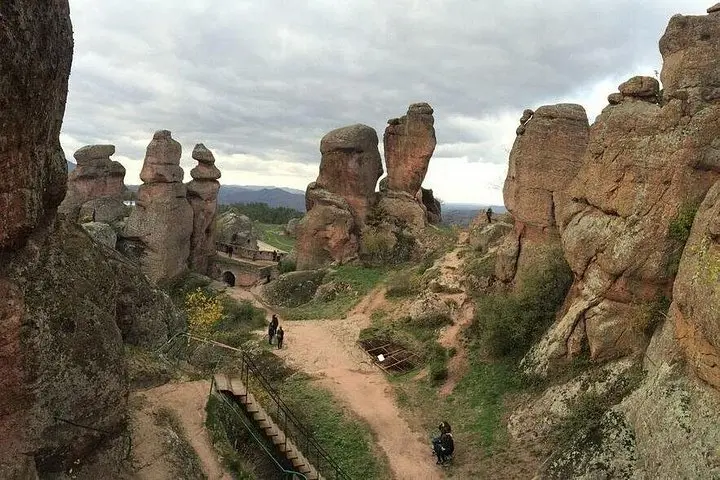
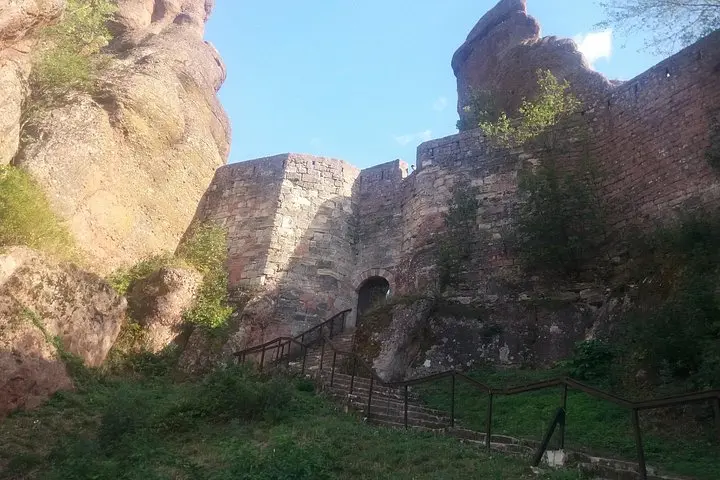
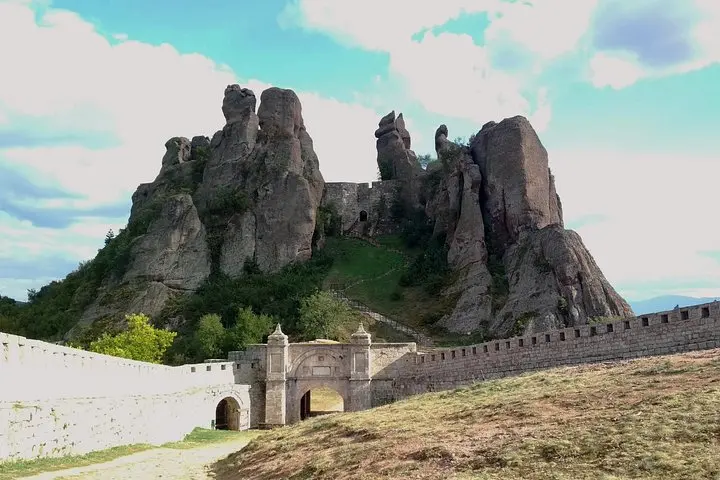
You leave Sofia before dawn and the city’s concrete gives way to folded hills and fields. By midmorning the road narrows and the Belogradchik Rocks appear like an army of red-brown sentinels along the valley — hulking cliffs and cone-shaped pillars that seem to have been carved by time with intent. The fortress sits partly inside those rocks; stone and cliff interlock so closely that the path climbs in and out of ancient masonry, with views that push the eye toward the Serbian border and the distant Balkan spine.
You leave Sofia before dawn and the city’s concrete gives way to folded hills and fields. By midmorning the road narrows and the Belogradchik Rocks appear like an army of red-brown sentinels along the valley — hulking cliffs and cone-shaped pillars that seem to have been carved by time with intent. The fortress sits partly inside those rocks; stone and cliff interlock so closely that the path climbs in and out of ancient masonry, with views that push the eye toward the Serbian border and the distant Balkan spine.
The site is a lesson in slow processes. Geologists point to sandstone and conglomerate, layered and eroded over 200 million years, sculpting towers up to 200 meters high. Human history reads across that geology: a Roman castrum expanded by medieval Bulgarians, reinforced under Ottoman rule; the Belogradchik Fortress (Kalyata) wears each era like a layer of patina. The guide brings this forward with concise stories — how the fortress' loopholes and galleries make use of natural cracks, how the rocks were landmarks for merchants and armies moving through the corridor between Danube and mountains.
The second act is Venetsa Cave, opened for easier visits in recent years. You descend wooden steps and metal walkways into a cool, dim chamber where stalactites and stalagmites arrange themselves in quiet formations. The tour follows four distinct landings, each illustrating a different pace of underground time: slow drips, crystalline curtains, and columns stitched together over millennia. Guides explain mineral chemistry in plain language and warn politely about low ceilings and slippery stone.
Practical edge: this is a long day — expect 10–11 hours round trip from Sofia if you join the standard transfer — and a moderate amount of walking, including uneven stone steps at the fortress (roughly 1–1.5 km of paths with an elevation change of about 120–180 m) and about 500–800 m of cave walkways with stairs. Wear grippy shoes, bring layers (the cave is cool year-round), and plan for hydration and a light lunch — the town of Belogradchik has a handful of cafés but options are basic.
What you’ll carry home is both spectacle and context: the blunt geometry of the rocks, the quiet patience of subterranean formations, and a sense of how a landscape can be both a defensive stronghold and a natural gallery. For travelers pressed into a single day from Sofia, the route is efficient; for those who can linger, sunset from the fortress and a walk around the town reveal quieter angles and local life that make the trip linger in memory.