THE ADVENTURE COLLECTIVE® · Independent discovery and booking for outdoor travel

A practical full-day loop from Tirana to Belsh Lake and UNESCO-listed Berat that blends calm waters with centuries-old streets. Expect short walks, uneven cobbles, local cafés, and panoramic castle views in a 6–8 hour outing.
A practical full-day loop from Tirana to Belsh Lake and UNESCO-listed Berat that blends calm waters with centuries-old streets. Expect short walks, uneven cobbles, local cafés, and panoramic castle views in a 6–8 hour outing.
You leave Tirana before dawn and the highway peels away into low karst ridges and patchwork olive groves. By mid-morning the bus pulls up at Belsh Lake, where the water lies like a cool plate of glass and small cafés spill steam and conversation onto the shore. The lake dares you to slow down; its surface mirrors the hills and the distant silhouette of Berat’s castle skyline.
Verified experiences and guided adventures in the surrounding area.
Operated by Albanian Tours · Berat, Berat County
You leave Tirana before dawn and the highway peels away into low karst ridges and patchwork olive groves. By mid-morning the bus pulls up at Belsh Lake, where the water lies like a cool plate of glass and small cafés spill steam and conversation onto the shore. The lake dares you to slow down; its surface mirrors the hills and the distant silhouette of Berat’s castle skyline.
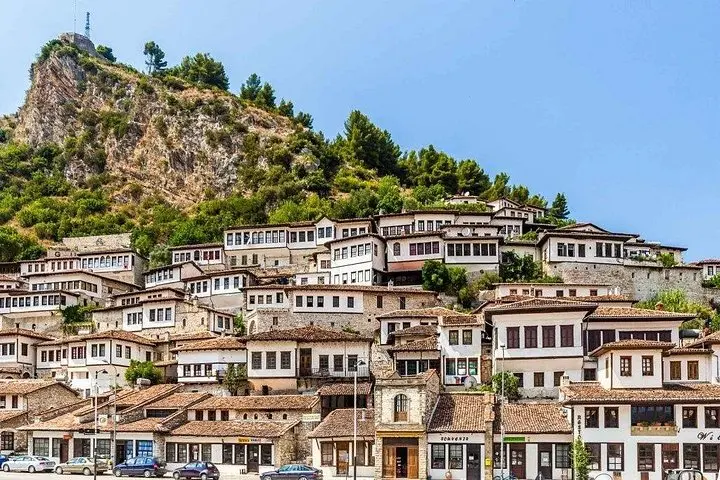
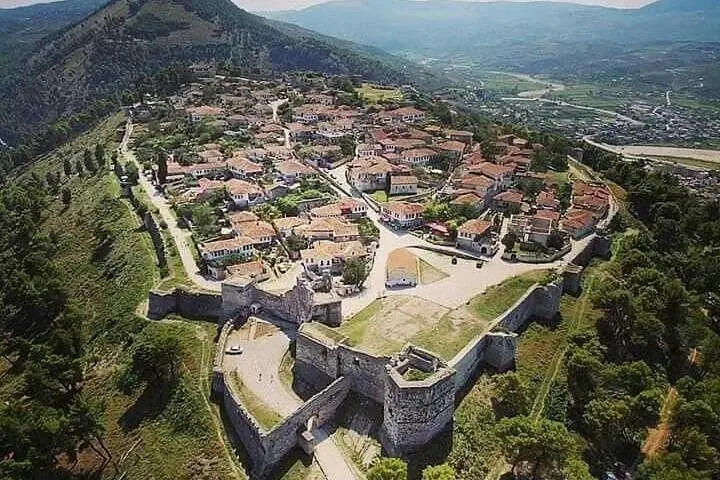
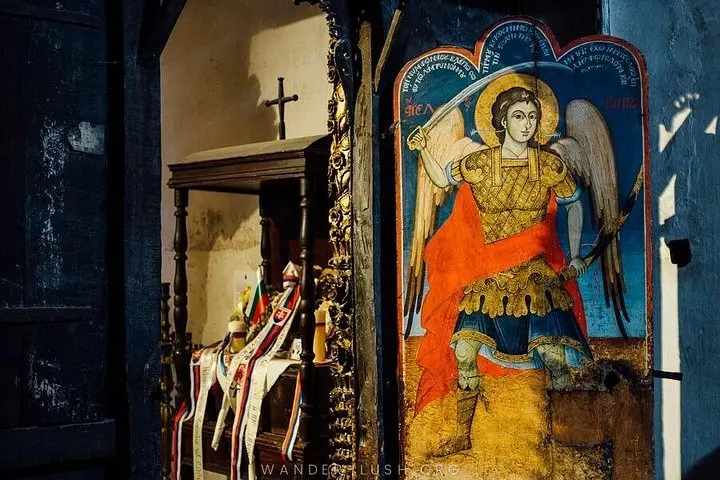
Berat is a city whose buildings tell a layered story — Illyrian origins, Byzantine churches, and Ottoman-era houses stacked along the Osum River. The Castle (Kalaja) still houses residents; its stone lanes, small chapels and family-run taverna create a living medieval quarter. Geologically the valley bears limestone and river-carved terraces that frame narrow cobbled streets and terraces of vineyards and olive trees.
On this full-day loop expect short walks rather than long hikes: a lakeside stroll at Belsh, a photo stop on Gorica Bridge, and an hour wandering Mangalem’s steep alleys up to the castle. Practicalities matter: cobbles are uneven, castle paths include steps and abrupt drops, and shade is limited in summer. The tour runs about 6–8 hours with air-conditioned transfer; entrance fees are typically handled by the operator.
Bring layered clothing, reliable footwear, and a small daypack. Time your visit for morning light at the lake and late afternoon views from the castle when the city’s pale stone warms under the sun. Respect living spaces inside the fortress — people live and work there — and leave the fragile ecology of the lake shoreline as you found it.
Entrance fees to the listed attractions are typically included by the tour operator—confirm during booking and bring ID for ticketing.
The roundtrip drive and time on site make this a 6–8 hour day; Tirana to Berat is roughly 1.5–2 hours one-way depending on traffic.
The castle zone has steep, uneven lanes and steps; accessibility is limited and not recommended for those with significant mobility constraints.
Bottled water is commonly provided; meals are usually at your own expense with opportunities to eat in family-run restaurants inside the castle or in Berat town.
Albanian Tours operates guided outdoor trips and adventures with an emphasis on safety, stewardship, and memorable experiences.
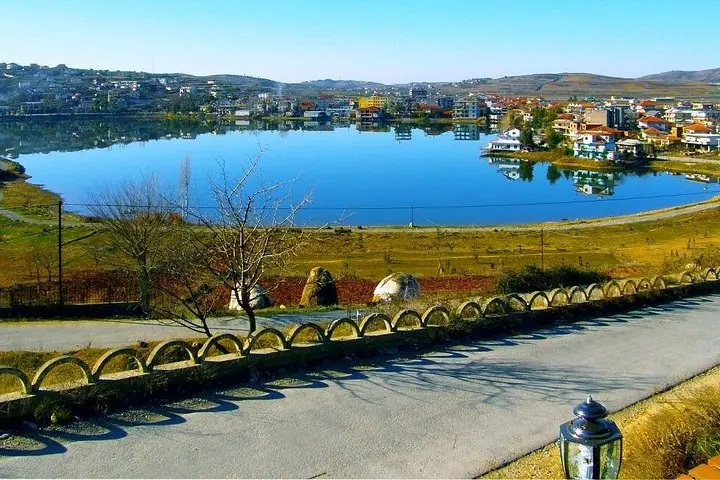
You leave Tirana before dawn and the highway peels away into low karst ridges and patchwork olive groves. By mid-morning the bus pulls up at Belsh Lake, where the water lies like a cool plate of glass and small cafés spill steam and conversation onto the shore. The lake dares you to slow down; its surface mirrors the hills and the distant silhouette of Berat’s castle skyline.
You leave Tirana before dawn and the highway peels away into low karst ridges and patchwork olive groves. By mid-morning the bus pulls up at Belsh Lake, where the water lies like a cool plate of glass and small cafés spill steam and conversation onto the shore. The lake dares you to slow down; its surface mirrors the hills and the distant silhouette of Berat’s castle skyline.
Berat is a city whose buildings tell a layered story — Illyrian origins, Byzantine churches, and Ottoman-era houses stacked along the Osum River. The Castle (Kalaja) still houses residents; its stone lanes, small chapels and family-run taverna create a living medieval quarter. Geologically the valley bears limestone and river-carved terraces that frame narrow cobbled streets and terraces of vineyards and olive trees.
On this full-day loop expect short walks rather than long hikes: a lakeside stroll at Belsh, a photo stop on Gorica Bridge, and an hour wandering Mangalem’s steep alleys up to the castle. Practicalities matter: cobbles are uneven, castle paths include steps and abrupt drops, and shade is limited in summer. The tour runs about 6–8 hours with air-conditioned transfer; entrance fees are typically handled by the operator.
Bring layered clothing, reliable footwear, and a small daypack. Time your visit for morning light at the lake and late afternoon views from the castle when the city’s pale stone warms under the sun. Respect living spaces inside the fortress — people live and work there — and leave the fragile ecology of the lake shoreline as you found it.