THE ADVENTURE COLLECTIVE® · Independent discovery and booking for outdoor travel

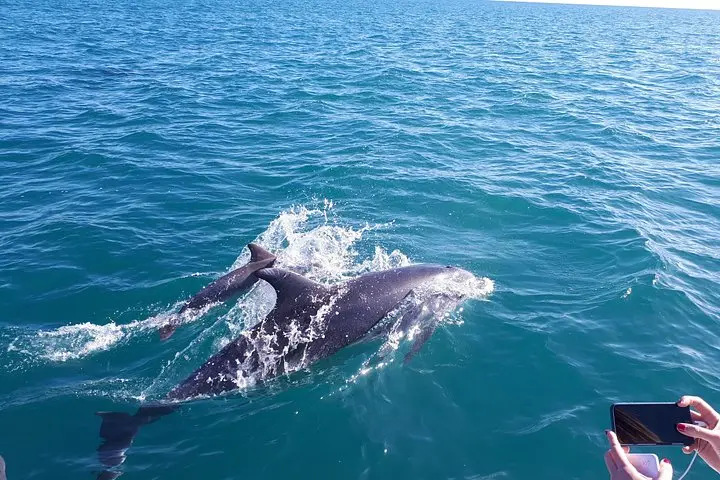
Skim into the Benagil Sea Cave on a two‑hour boat trip that threads limestone arches, drops you for quick swims, and offers chances to spot dolphins. Morning departures give the calmest water and the best light for photos.
Skim into the Benagil Sea Cave on a two‑hour boat trip that threads limestone arches, drops you for quick swims, and offers chances to spot dolphins. Morning departures give the calmest water and the best light for photos.
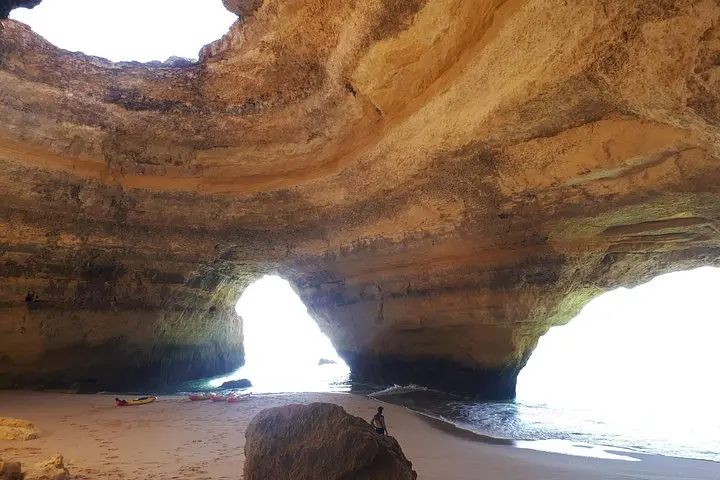
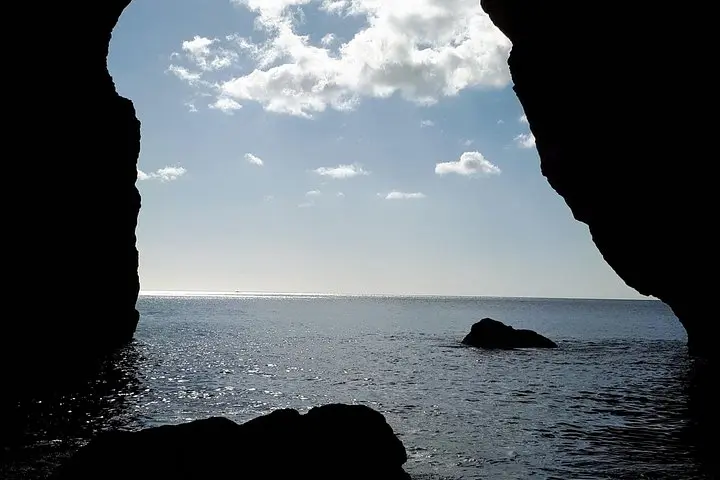
A low-slung RIB cuts through glass-blue Atlantic as cliffs tighten and the air smells of salt and warmed limestone. You approach a rim of honey‑colored rock and feel the boat slow; the sea seems to hold its breath as the cavern yawns open. Inside, light pours through a round skylight and the water pushes and pulls, nudging you to climb the boat ladder and slip into a sudden, sheltered sea.
Verified experiences and guided adventures in the surrounding area.
Operated by diamond boat tours · Benagil, Faro District
A low-slung RIB cuts through glass-blue Atlantic as cliffs tighten and the air smells of salt and warmed limestone. You approach a rim of honey‑colored rock and feel the boat slow; the sea seems to hold its breath as the cavern yawns open. Inside, light pours through a round skylight and the water pushes and pulls, nudging you to climb the boat ladder and slip into a sudden, sheltered sea.
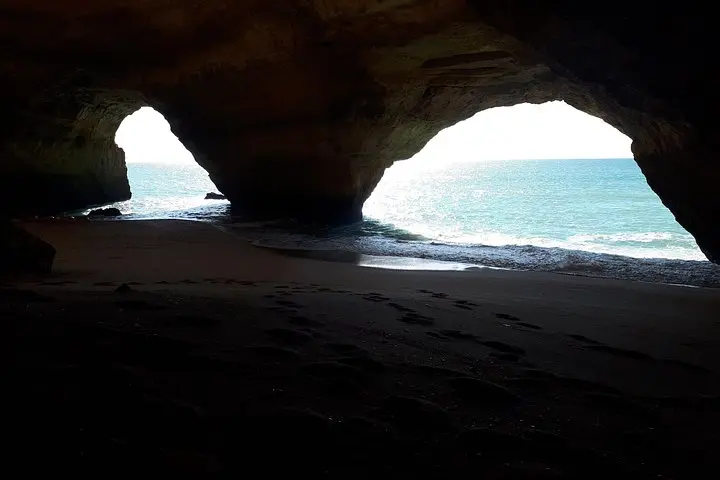
The Benagil Sea Cave formed by millennia of wave erosion in the Jurassic limestone of the Algarve. Local fishing communities used these coves as seasonal landing places; today small operators thread narrow cave mouths to show off sculpted arches, pocket beaches and swirls of ochre stratification. Dolphins frequent offshore waters, while seabirds quarter cliffs carved by storms and tides.
Practical guidance matters: trips run about two hours and usually include lifejackets and basic safety briefings — operators commonly provide flotation (equipamento salvamento). Weather and swell dictate whether you can enter certain caves; guides will decline entry on rough days to avoid the documented hazard of rockfall in some chambers. Pack a waterproof camera or dry bag, apply reef‑safe sunscreen, and time tours for morning light to avoid choppy afternoons.
Expect brief swims off the boat at sheltered spots, photo stops, and tight maneuvers through grotto mouths. Stay close to the guide, keep helmets or heads low when instructed, and treat formations with respect — the caves change seasonally and are vulnerable to collapse. For first‑time visitors the trip is approachable and memorable: a hands‑on way to read the shoreline’s long geological story while floating through rooms carved by the Atlantic.
Not always—entry depends on sea state and tide. Operators will cancel or alter routes if swell or rockfall risk makes the cave unsafe.
Dolphins are regularly sighted offshore but sightings aren’t guaranteed; encounters depend on season, time of day, and where the boat travels that day.
Yes, most tours include a controlled swim stop in sheltered areas; guides provide lifejackets and briefings when swims are offered.
Children are typically welcome, but limited‑mobility guests should check with the operator—boarding from small boats involves steps and may not be accessible to everyone.
diamond boat tours operates guided outdoor trips and adventures with an emphasis on safety, stewardship, and memorable experiences.
A low-slung RIB cuts through glass-blue Atlantic as cliffs tighten and the air smells of salt and warmed limestone. You approach a rim of honey‑colored rock and feel the boat slow; the sea seems to hold its breath as the cavern yawns open. Inside, light pours through a round skylight and the water pushes and pulls, nudging you to climb the boat ladder and slip into a sudden, sheltered sea.
A low-slung RIB cuts through glass-blue Atlantic as cliffs tighten and the air smells of salt and warmed limestone. You approach a rim of honey‑colored rock and feel the boat slow; the sea seems to hold its breath as the cavern yawns open. Inside, light pours through a round skylight and the water pushes and pulls, nudging you to climb the boat ladder and slip into a sudden, sheltered sea.
The Benagil Sea Cave formed by millennia of wave erosion in the Jurassic limestone of the Algarve. Local fishing communities used these coves as seasonal landing places; today small operators thread narrow cave mouths to show off sculpted arches, pocket beaches and swirls of ochre stratification. Dolphins frequent offshore waters, while seabirds quarter cliffs carved by storms and tides.
Practical guidance matters: trips run about two hours and usually include lifejackets and basic safety briefings — operators commonly provide flotation (equipamento salvamento). Weather and swell dictate whether you can enter certain caves; guides will decline entry on rough days to avoid the documented hazard of rockfall in some chambers. Pack a waterproof camera or dry bag, apply reef‑safe sunscreen, and time tours for morning light to avoid choppy afternoons.
Expect brief swims off the boat at sheltered spots, photo stops, and tight maneuvers through grotto mouths. Stay close to the guide, keep helmets or heads low when instructed, and treat formations with respect — the caves change seasonally and are vulnerable to collapse. For first‑time visitors the trip is approachable and memorable: a hands‑on way to read the shoreline’s long geological story while floating through rooms carved by the Atlantic.