THE ADVENTURE COLLECTIVE® · Independent discovery and booking for outdoor travel

A private night-sky photo tour outside Bend that pairs local dark-sky know-how with hands-on instruction. In about 3.5 hours you’ll learn settings, composition, and how to photograph the Milky Way and star trails in Central Oregon’s high desert.
A private night-sky photo tour outside Bend that pairs local dark-sky know-how with hands-on instruction. In about 3.5 hours you’ll learn settings, composition, and how to photograph the Milky Way and star trails in Central Oregon’s high desert.
The first thing you notice is how the sky takes up more of the world here: high, cool, and vast above the pumice-and-sage landscape outside Bend. A local photographer meets you after sunset and the town’s glow slips behind you as the van climbs toward darker air. Within minutes the Milky Way starts to appear — a faint, dusty river at first, then a bright, obvious arc — and the guide sets up a tripod with the quiet efficiency of someone who has timed a thousand exposures.
Verified experiences and guided adventures in the surrounding area.
Operated by Cascade Center of Photography/ Bend Photo Tours · Bend, Oregon
The first thing you notice is how the sky takes up more of the world here: high, cool, and vast above the pumice-and-sage landscape outside Bend. A local photographer meets you after sunset and the town’s glow slips behind you as the van climbs toward darker air. Within minutes the Milky Way starts to appear — a faint, dusty river at first, then a bright, obvious arc — and the guide sets up a tripod with the quiet efficiency of someone who has timed a thousand exposures.
Central Oregon’s High Desert is a place shaped by fire and ice: Newberry Volcano and ancient lava flows carved a patchwork of obsidian, cinder cones and flat sage basins that hold night like a bowl. That geology matters for photography — open horizons and sparse trees give long sightlines to the stars, while higher rims and caldera edges offer dramatic foregrounds. The region is also the territory of the Northern Paiute; Indigenous lifeways and place names are woven into the landscape and local starlore, giving extra resonance to a night under these constellations.
Practicality guides the evening. The private tour runs about 3.5 hours and is designed for one to two people; shooting time depends on season and moon phase. The photographer-guide scouts the best nearby dark-sky spots — sometimes the rim of Newberry Caldera, other times sage flats or trails near the Deschutes — and helps with composition, exposure settings, and long-exposure techniques like star trails and stacked images. The thin, dry air at 3,600+ feet reduces atmospheric haze, but temperatures drop quickly after sunset.
Expect to walk short distances over uneven ground; comfortable walking shoes are recommended. Bring a sturdy tripod, a camera that allows manual exposure, and wide-aperture lenses if you want crisp Milky Way cores. A headlamp with a red filter preserves night vision while you tweak settings. Plan around moon cycles: dark, moonless nights (new moon window) reveal the galactic core from late spring to early fall, while bright moonlit nights make for sculpted, silvered landscapes.
Logistics are flexible — pick-up from Bend hotels is offered — and the tour operates in most weather, so dress in layers and carry spare batteries (cold kills charge fast). If clouds roll in, the guide will adapt shooting techniques or suggest alternative nights. For photographers of any level the experience is part technical lesson, part guided expedition: the stars stay the same, but how they’re captured changes with a careful eye and a steady tripod.
This tour is private for one to two people; the photographer-guide focuses on your shooting goals and pace.
The operator offers pickup from hotels within Bend city limits and will confirm exact meeting location and time when you book.
No—beginners are welcome; the guide provides hands-on instruction, though basic camera familiarity helps speed the learning curve.
The tour operates in most weather; if conditions make stargazing impossible you can reschedule or the guide may adapt with lunar or landscape night-shoot techniques.
Smartphones can capture stars with the right apps and a stable tripod, but a camera with manual controls and a fast lens produces better Milky Way and star-trail images.
For a full refund cancel at least 24 hours before the scheduled departure time; within 24 hours bookings are non-refundable.
Cascade Center of Photography/ Bend Photo Tours operates guided outdoor trips and adventures with an emphasis on safety, stewardship, and memorable experiences.
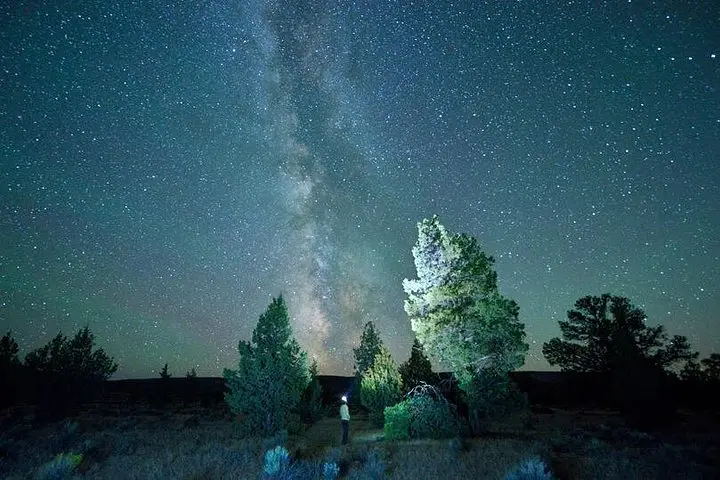
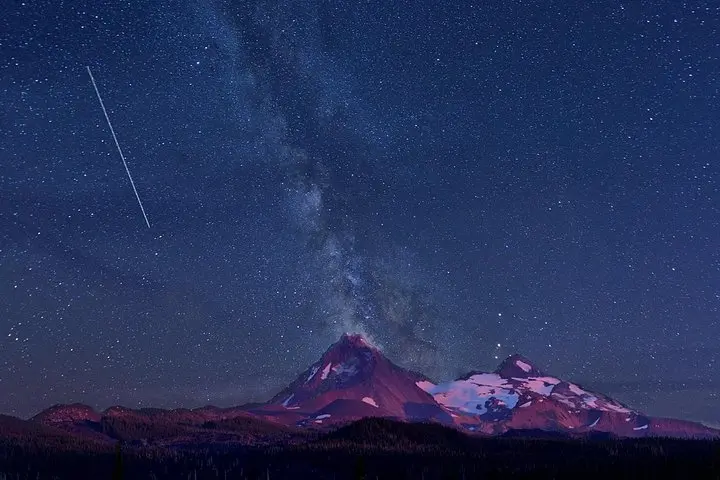
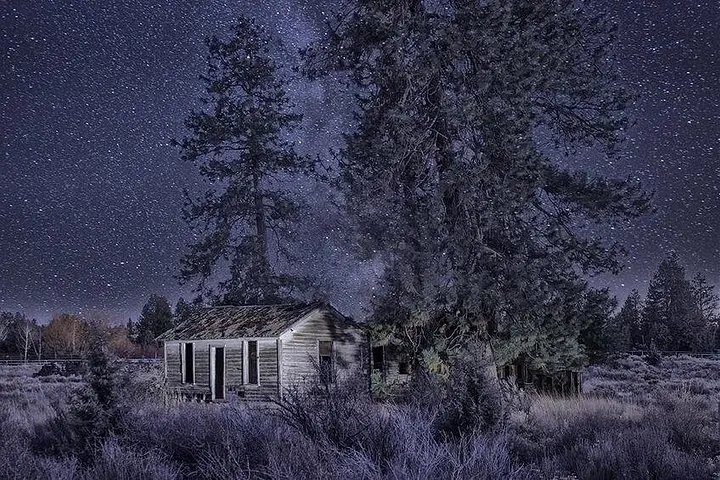
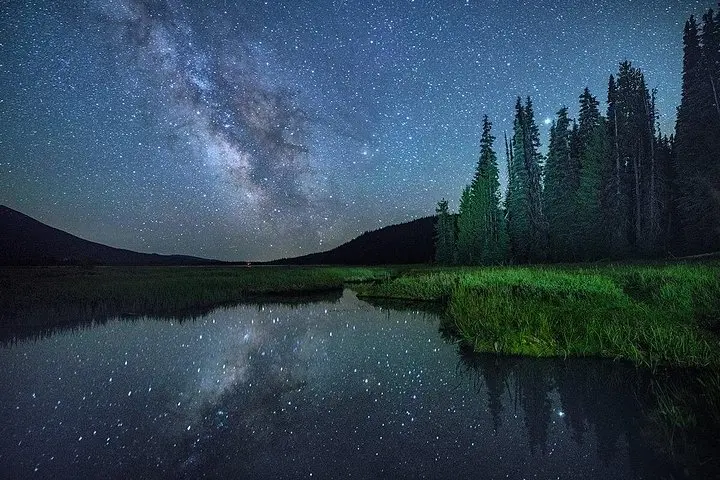
The first thing you notice is how the sky takes up more of the world here: high, cool, and vast above the pumice-and-sage landscape outside Bend. A local photographer meets you after sunset and the town’s glow slips behind you as the van climbs toward darker air. Within minutes the Milky Way starts to appear — a faint, dusty river at first, then a bright, obvious arc — and the guide sets up a tripod with the quiet efficiency of someone who has timed a thousand exposures.
The first thing you notice is how the sky takes up more of the world here: high, cool, and vast above the pumice-and-sage landscape outside Bend. A local photographer meets you after sunset and the town’s glow slips behind you as the van climbs toward darker air. Within minutes the Milky Way starts to appear — a faint, dusty river at first, then a bright, obvious arc — and the guide sets up a tripod with the quiet efficiency of someone who has timed a thousand exposures.
Central Oregon’s High Desert is a place shaped by fire and ice: Newberry Volcano and ancient lava flows carved a patchwork of obsidian, cinder cones and flat sage basins that hold night like a bowl. That geology matters for photography — open horizons and sparse trees give long sightlines to the stars, while higher rims and caldera edges offer dramatic foregrounds. The region is also the territory of the Northern Paiute; Indigenous lifeways and place names are woven into the landscape and local starlore, giving extra resonance to a night under these constellations.
Practicality guides the evening. The private tour runs about 3.5 hours and is designed for one to two people; shooting time depends on season and moon phase. The photographer-guide scouts the best nearby dark-sky spots — sometimes the rim of Newberry Caldera, other times sage flats or trails near the Deschutes — and helps with composition, exposure settings, and long-exposure techniques like star trails and stacked images. The thin, dry air at 3,600+ feet reduces atmospheric haze, but temperatures drop quickly after sunset.
Expect to walk short distances over uneven ground; comfortable walking shoes are recommended. Bring a sturdy tripod, a camera that allows manual exposure, and wide-aperture lenses if you want crisp Milky Way cores. A headlamp with a red filter preserves night vision while you tweak settings. Plan around moon cycles: dark, moonless nights (new moon window) reveal the galactic core from late spring to early fall, while bright moonlit nights make for sculpted, silvered landscapes.
Logistics are flexible — pick-up from Bend hotels is offered — and the tour operates in most weather, so dress in layers and carry spare batteries (cold kills charge fast). If clouds roll in, the guide will adapt shooting techniques or suggest alternative nights. For photographers of any level the experience is part technical lesson, part guided expedition: the stars stay the same, but how they’re captured changes with a careful eye and a steady tripod.