THE ADVENTURE COLLECTIVE® · Independent discovery and booking for outdoor travel

Descend into Seattle’s original street level beneath Pioneer Square for a one-hour guided walk through brick passageways, rebuilt streets, and the layers of the city’s past. Learn why Seattle raised its streets after the Great Fire and how those underground corridors survived into the present.
Descend into Seattle’s original street level beneath Pioneer Square for a one-hour guided walk through brick passageways, rebuilt streets, and the layers of the city’s past. Learn why Seattle raised its streets after the Great Fire and how those underground corridors survived into the present.
You step off the sidewalk and descend dim wooden stairs into a world that once sat at street level—brick corridors, narrow passageways, and the faint echo of late 19th-century footsteps. Light pools from grate-covered openings; the air is cooler and smells faintly of old timber and stone. Guides move with practiced ease, pointing out patched brickwork where the city literally built a new street above the old one after the Great Seattle Fire of 1889.
Verified experiences and guided adventures in the surrounding area.
Operated by Beneath The Streets · Seattle, Washington
You step off the sidewalk and descend dim wooden stairs into a world that once sat at street level—brick corridors, narrow passageways, and the faint echo of late 19th-century footsteps. Light pools from grate-covered openings; the air is cooler and smells faintly of old timber and stone. Guides move with practiced ease, pointing out patched brickwork where the city literally built a new street above the old one after the Great Seattle Fire of 1889.
The tour threads through Pioneer Square, a neighborhood that rose from tidal flats and the labor of Coast Salish Peoples, loggers, and Klondike-era arrivals. Geology here is obvious: filled-in mudflats and pilings now bear the weight of modern Seattle, and you’ll see how the city raised its streets to solve flooding and sanitation problems. Cultural history is equally layered—Skid Row stories, early architecture, and the civic decisions that left an underground city intact.
Practical notes: the one-hour walk covers roughly four city blocks (about 0.5 miles/0.8 km) and includes three short flights of stairs. Tours operate rain or shine; arrive 10 minutes early and bring a light jacket—the underground stays cool. Wear sturdy walking shoes; expect uneven surfaces and low ceilings in spots. Guides are trained in historical interpretation and work with local Tribal historians for context.
For travelers, this is an urban adventure that blends close-quarters exploration with clear historical payoff—accessible, compact, and revealing of a city that literally redefined its ground level.
The tour lasts one hour and covers about four city blocks—roughly 0.5 miles (0.8 km)—at a leisurely pace.
The tour includes three short flights of stairs and some low-ceiling areas; visitors with limited mobility should contact the operator in advance to discuss options.
Mobile or paper tickets are accepted; the tour accepts one ticket per booking—have your confirmation ready on arrival.
Tours operate rain or shine; much of the route is covered or underground, but dress for wet weather for the outdoor segments.
Beneath The Streets operates guided outdoor trips and adventures with an emphasis on safety, stewardship, and memorable experiences.
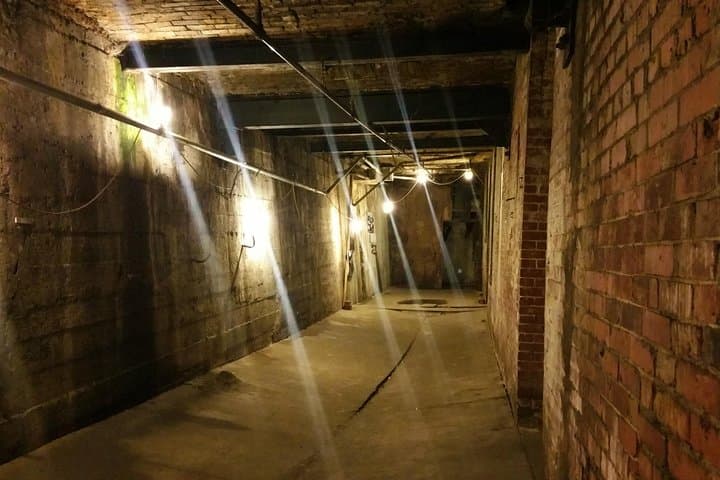
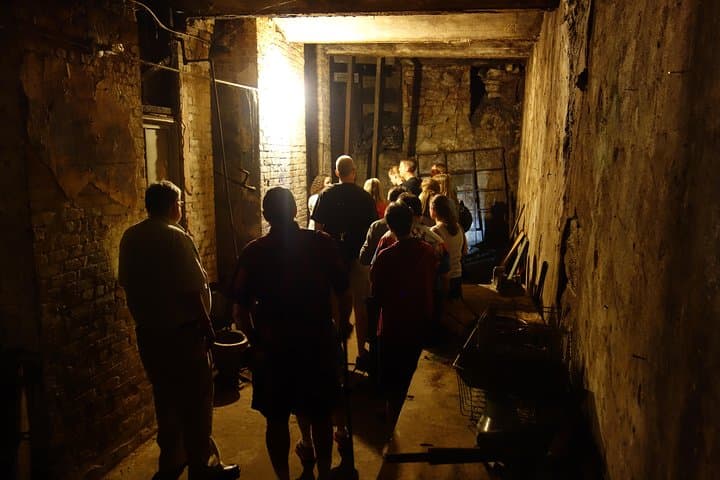
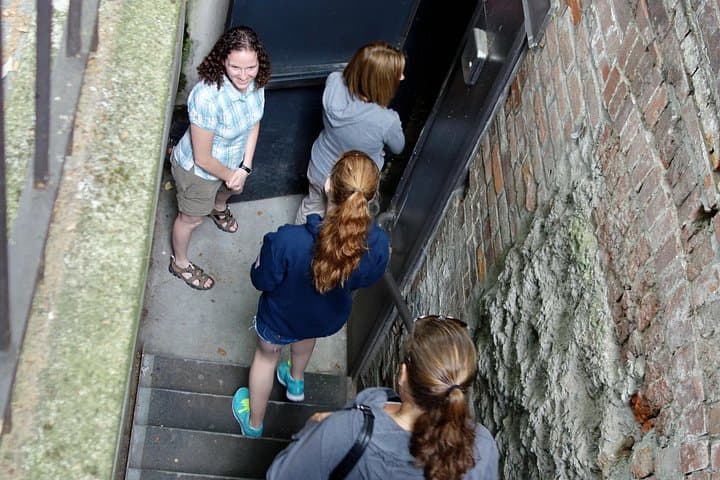
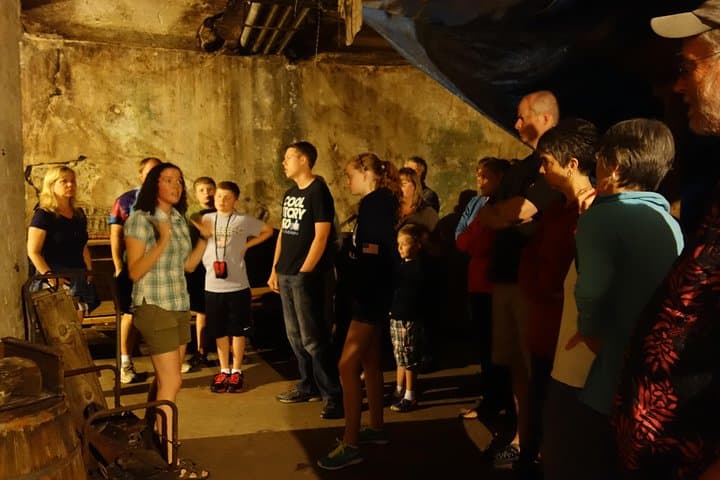
You step off the sidewalk and descend dim wooden stairs into a world that once sat at street level—brick corridors, narrow passageways, and the faint echo of late 19th-century footsteps. Light pools from grate-covered openings; the air is cooler and smells faintly of old timber and stone. Guides move with practiced ease, pointing out patched brickwork where the city literally built a new street above the old one after the Great Seattle Fire of 1889.
You step off the sidewalk and descend dim wooden stairs into a world that once sat at street level—brick corridors, narrow passageways, and the faint echo of late 19th-century footsteps. Light pools from grate-covered openings; the air is cooler and smells faintly of old timber and stone. Guides move with practiced ease, pointing out patched brickwork where the city literally built a new street above the old one after the Great Seattle Fire of 1889.
The tour threads through Pioneer Square, a neighborhood that rose from tidal flats and the labor of Coast Salish Peoples, loggers, and Klondike-era arrivals. Geology here is obvious: filled-in mudflats and pilings now bear the weight of modern Seattle, and you’ll see how the city raised its streets to solve flooding and sanitation problems. Cultural history is equally layered—Skid Row stories, early architecture, and the civic decisions that left an underground city intact.
Practical notes: the one-hour walk covers roughly four city blocks (about 0.5 miles/0.8 km) and includes three short flights of stairs. Tours operate rain or shine; arrive 10 minutes early and bring a light jacket—the underground stays cool. Wear sturdy walking shoes; expect uneven surfaces and low ceilings in spots. Guides are trained in historical interpretation and work with local Tribal historians for context.
For travelers, this is an urban adventure that blends close-quarters exploration with clear historical payoff—accessible, compact, and revealing of a city that literally redefined its ground level.