THE ADVENTURE COLLECTIVE® · Independent discovery and booking for outdoor travel

Walk Benefit Street with costumed guides and a 90-minute narrative of Providence’s College Hill: Federal houses, suffrage stories, and quiet architectural details. Learn meeting logistics and what to wear before you go.
Walk Benefit Street with costumed guides and a 90-minute narrative of Providence’s College Hill: Federal houses, suffrage stories, and quiet architectural details. Learn meeting logistics and what to wear before you go.
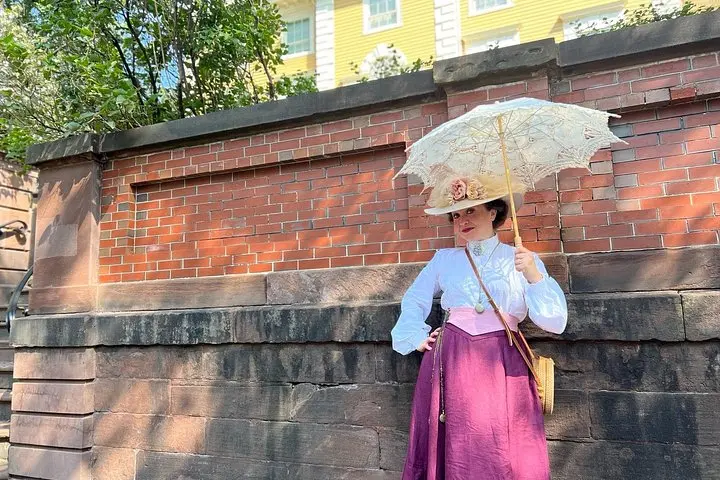
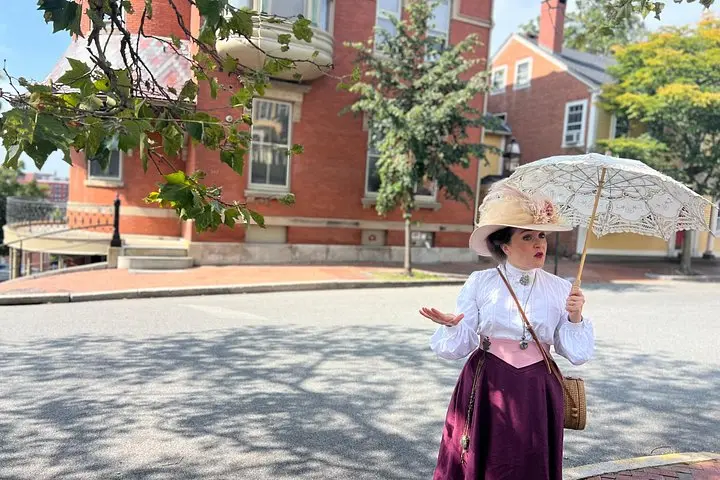
A late-morning sun slides down Benefit Street, catching brick and wrought-iron in a dry, sharp light. Costumed guides fall into step beside a row of Federal and Georgian facades; parasols bob and the soft tick of a pocket watch measures the cadence of a measured stroll. The street feels like a slow-motion conversation between the present and the eighteenth century.
Verified experiences and guided adventures in the surrounding area.
Operated by Providence Ghost Tour · Providence, Rhode Island
A late-morning sun slides down Benefit Street, catching brick and wrought-iron in a dry, sharp light. Costumed guides fall into step beside a row of Federal and Georgian facades; parasols bob and the soft tick of a pocket watch measures the cadence of a measured stroll. The street feels like a slow-motion conversation between the present and the eighteenth century.
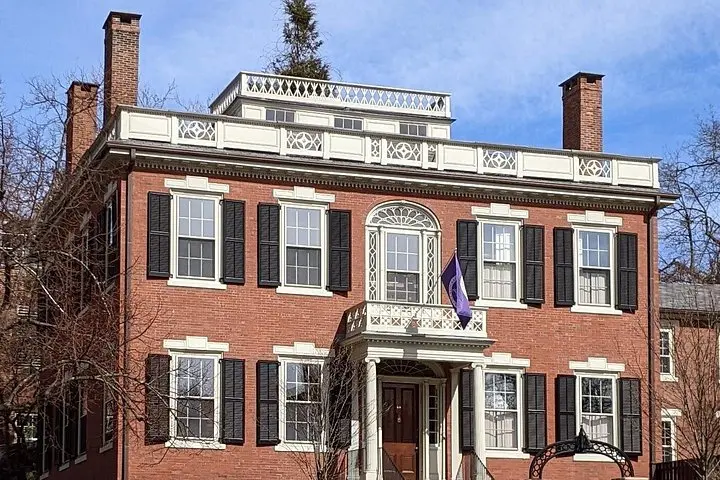
Benefit Street sits on College Hill above the Providence River, part of the city's Colonial and early-Republic fabric. Lined with merchant houses, churches, and narrow yeoman plots, the block preserves architecture from the 1700s and 1800s—John Brown’s urban mansion, the Fleur de Lys’ ornate façade, and the First Baptist Church’s classic lines. The route threads through stories of maritime trade, the Dorr Rebellion, dual suffrage movements in Rhode Island, and families whose wealth helped shape New England commerce.
Culturally, this is Brown University’s neighborhood: expect academic energy, small plaques, and privately maintained gardens visible from the sidewalk. Geologically you’ll walk on reclaimed coastal plain—compact soils, old street layers under brick and cobbles that occasionally heave with freeze-thaw.
Practical guidance: meet at the Tillinghast Cemetery gates to the right of the Barker Playhouse on Benefit Street and arrive 10 minutes early. The tour lasts about 90 minutes on mostly flat ground but includes brick, cobbles, and occasional uneven surfaces—comfortable, stable shoes matter. There are no public restrooms on the route; bring water and dress for the season. Parking is on-street and limited; transit and ride-shares are effective alternatives. The experience is low-impact but rich in civic and architectural detail—bring curiosity and a camera, and give the buildings the time they quietly expect.
No—this is an exterior walking tour. Guides will point out buildings of interest and note which ones are open to the public so you can visit them later.
Benefit Street is predominantly flat and listed as wheelchair/stroller accessible, but some brick or cobblestone sections may be bumpy—check with the operator if you need specific accommodations.
Meet at the gates of the Tillinghast Cemetery to the right of the Barker Playhouse at 400 Benefit St; arrive about 10 minutes early to find parking or transit stops.
Yes—families are welcome. The pace is gentle and strollers are accommodated, but bring snacks and plan for no restroom access during the walk.
Providence Ghost Tour operates guided outdoor trips and adventures with an emphasis on safety, stewardship, and memorable experiences.

A late-morning sun slides down Benefit Street, catching brick and wrought-iron in a dry, sharp light. Costumed guides fall into step beside a row of Federal and Georgian facades; parasols bob and the soft tick of a pocket watch measures the cadence of a measured stroll. The street feels like a slow-motion conversation between the present and the eighteenth century.
A late-morning sun slides down Benefit Street, catching brick and wrought-iron in a dry, sharp light. Costumed guides fall into step beside a row of Federal and Georgian facades; parasols bob and the soft tick of a pocket watch measures the cadence of a measured stroll. The street feels like a slow-motion conversation between the present and the eighteenth century.
Benefit Street sits on College Hill above the Providence River, part of the city's Colonial and early-Republic fabric. Lined with merchant houses, churches, and narrow yeoman plots, the block preserves architecture from the 1700s and 1800s—John Brown’s urban mansion, the Fleur de Lys’ ornate façade, and the First Baptist Church’s classic lines. The route threads through stories of maritime trade, the Dorr Rebellion, dual suffrage movements in Rhode Island, and families whose wealth helped shape New England commerce.
Culturally, this is Brown University’s neighborhood: expect academic energy, small plaques, and privately maintained gardens visible from the sidewalk. Geologically you’ll walk on reclaimed coastal plain—compact soils, old street layers under brick and cobbles that occasionally heave with freeze-thaw.
Practical guidance: meet at the Tillinghast Cemetery gates to the right of the Barker Playhouse on Benefit Street and arrive 10 minutes early. The tour lasts about 90 minutes on mostly flat ground but includes brick, cobbles, and occasional uneven surfaces—comfortable, stable shoes matter. There are no public restrooms on the route; bring water and dress for the season. Parking is on-street and limited; transit and ride-shares are effective alternatives. The experience is low-impact but rich in civic and architectural detail—bring curiosity and a camera, and give the buildings the time they quietly expect.