THE ADVENTURE COLLECTIVE® · Independent discovery and booking for outdoor travel

Drive through rural Cambodia to explore Beng Mealea’s jungle-wreathed ruins and Bakong’s early sandstone temple in a private full-day tour from Siem Reap. Expect hands-on history, easy walks on uneven ground, and flexible timing to beat the heat.
Drive through rural Cambodia to explore Beng Mealea’s jungle-wreathed ruins and Bakong’s early sandstone temple in a private full-day tour from Siem Reap. Expect hands-on history, easy walks on uneven ground, and flexible timing to beat the heat.
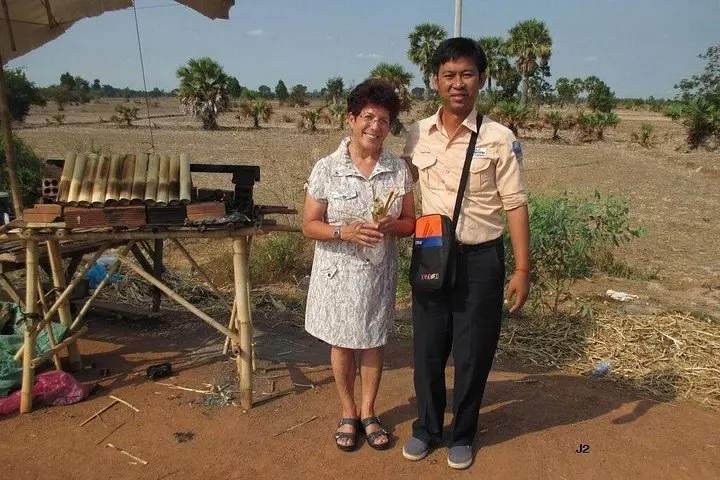
You leave Siem Reap before the heat builds, the road unspooling through rice paddies that glitter with morning light and village life. The drive itself stages the mood—thatch roofs, cyclists balancing baskets, and water buffalo eyeing the road—until the jungle swallows the trail and Beng Mealea’s moss-streaked stones appear like a half-remembered ruin.
Verified experiences and guided adventures in the surrounding area.
Operated by Journey2 Angkor · Siem Reap, Siem Reap Province
You leave Siem Reap before the heat builds, the road unspooling through rice paddies that glitter with morning light and village life. The drive itself stages the mood—thatch roofs, cyclists balancing baskets, and water buffalo eyeing the road—until the jungle swallows the trail and Beng Mealea’s moss-streaked stones appear like a half-remembered ruin.
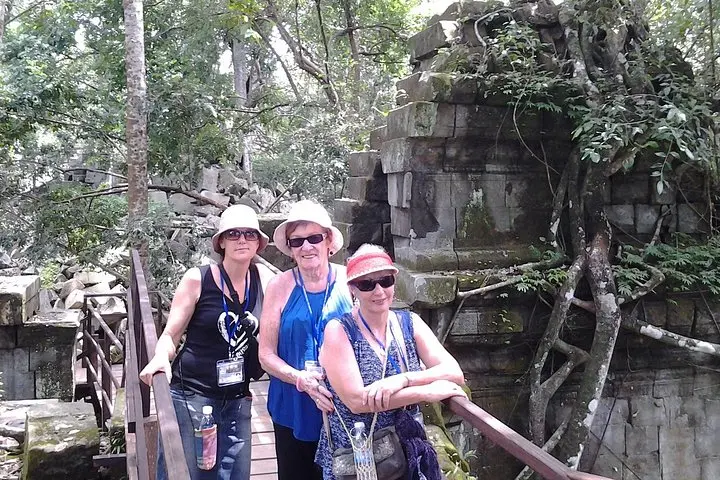
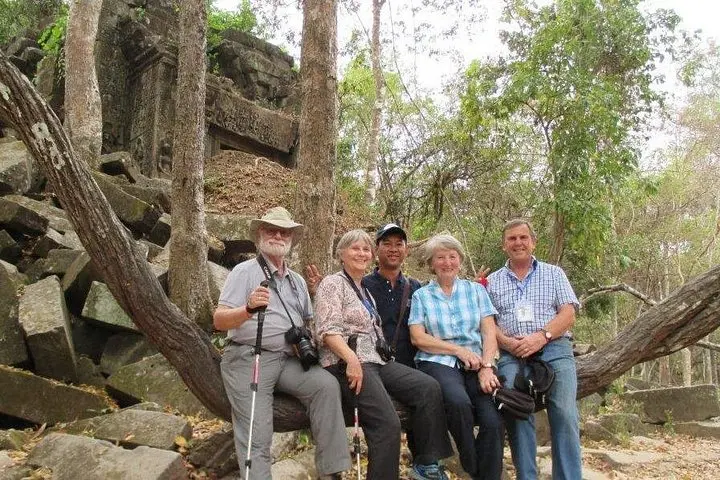
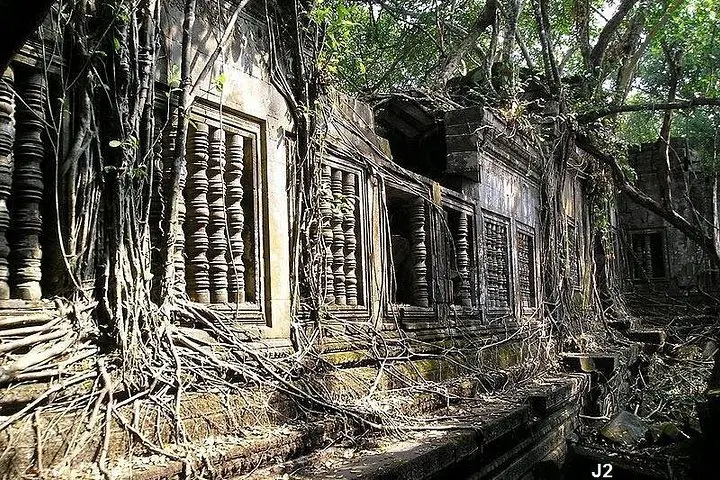
Beng Mealea is a working ruin: trees press their roots through galleries, and collapsed blocks create natural staircases to explore. Built in the 11th century under King Suryavarman II, the temple mirrors Angkor Wat’s plan but reads like an archaeological adventure—less restored, more immediate. A short walk from there leads to an ancient quarry where you’ll see how Khmer masons cut and staged the sandstone that later became monuments in Angkor.
After a local lunch, the tour turns to Bakong, an earlier, 9th-century sandstone temple and one of the Roluos group. Bakong marks the shift from brick to stone temple mountains and offers a clearer picture of Khmer religious architecture and the political center of the early Angkorian state.
Practicalities matter: the day involves short walks on uneven ground and simple trails through forest and temple courtyards. Bring a hat and hydration, and expect humid conditions outside the cooler morning hours. Entrances require tickets (your guide will arrange e-tickets); wear flat, grippy shoes and modest clothing for temple respect. Photography is excellent in the soft morning and late afternoon light, and the private format makes timing flexible—avoid midday for the best comfort and light.
The private tour runs about seven hours and includes hotel pickup/drop-off in a private air-conditioned vehicle.
Temple entrance e-tickets are not included by default; the guide will send a link to purchase them in advance or advise how to buy on the day.
Yes; walking is light and flexible, but some uneven surfaces and short stone climbs at temples could be challenging—wheelchair access is limited on temple grounds.
Modest, breathable clothing that covers shoulders and knees is appropriate; flat closed or strap sandals are recommended for comfort and safety.
Journey2 Angkor operates guided outdoor trips and adventures with an emphasis on safety, stewardship, and memorable experiences.
You leave Siem Reap before the heat builds, the road unspooling through rice paddies that glitter with morning light and village life. The drive itself stages the mood—thatch roofs, cyclists balancing baskets, and water buffalo eyeing the road—until the jungle swallows the trail and Beng Mealea’s moss-streaked stones appear like a half-remembered ruin.
You leave Siem Reap before the heat builds, the road unspooling through rice paddies that glitter with morning light and village life. The drive itself stages the mood—thatch roofs, cyclists balancing baskets, and water buffalo eyeing the road—until the jungle swallows the trail and Beng Mealea’s moss-streaked stones appear like a half-remembered ruin.
Beng Mealea is a working ruin: trees press their roots through galleries, and collapsed blocks create natural staircases to explore. Built in the 11th century under King Suryavarman II, the temple mirrors Angkor Wat’s plan but reads like an archaeological adventure—less restored, more immediate. A short walk from there leads to an ancient quarry where you’ll see how Khmer masons cut and staged the sandstone that later became monuments in Angkor.
After a local lunch, the tour turns to Bakong, an earlier, 9th-century sandstone temple and one of the Roluos group. Bakong marks the shift from brick to stone temple mountains and offers a clearer picture of Khmer religious architecture and the political center of the early Angkorian state.
Practicalities matter: the day involves short walks on uneven ground and simple trails through forest and temple courtyards. Bring a hat and hydration, and expect humid conditions outside the cooler morning hours. Entrances require tickets (your guide will arrange e-tickets); wear flat, grippy shoes and modest clothing for temple respect. Photography is excellent in the soft morning and late afternoon light, and the private format makes timing flexible—avoid midday for the best comfort and light.