THE ADVENTURE COLLECTIVE® · Independent discovery and booking for outdoor travel

Spend a day exploring Beng Mealea’s jungle-riven temple and the stilted community of Kompong Khleang on Tonle Sap. This private tour combines short walks, a boat ride, and cultural insight into Cambodia’s lake-based livelihoods.
Spend a day exploring Beng Mealea’s jungle-riven temple and the stilted community of Kompong Khleang on Tonle Sap. This private tour combines short walks, a boat ride, and cultural insight into Cambodia’s lake-based livelihoods.
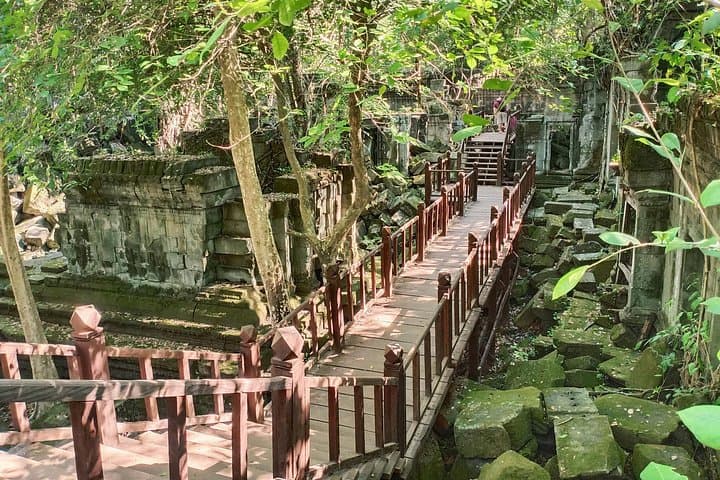
The road out of Siem Reap narrows as rice paddies roll past the window and the air fills with the sharp, loamy scent of wet earth. By mid-morning you step from the van into the slow hush around Beng Mealea — a mid-12th century temple where massive stones lean, roots thread through lintels, and a new wooden walkway lifts you above the uneven ground.
Verified experiences and guided adventures in the surrounding area.
Operated by Tour Guide-Siem Reap · Siem Reap, Siem Reap Province
The road out of Siem Reap narrows as rice paddies roll past the window and the air fills with the sharp, loamy scent of wet earth. By mid-morning you step from the van into the slow hush around Beng Mealea — a mid-12th century temple where massive stones lean, roots thread through lintels, and a new wooden walkway lifts you above the uneven ground.
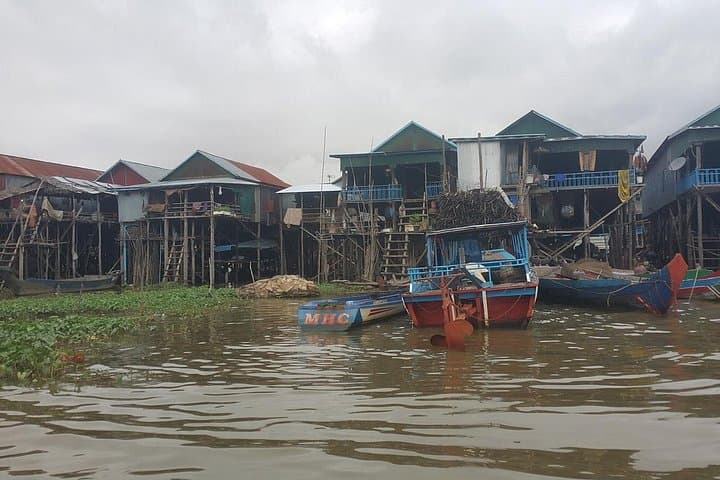
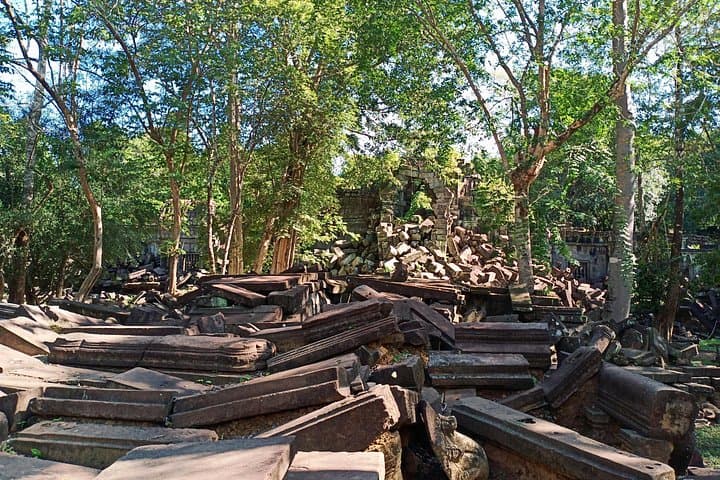
Beng Mealea began as an Angkorian temple complex blending Hindu and Buddhist motifs; time and jungle have pried apart galleries and corridors into an immersive ruin. Geologically, the surrounding plains are floodplain clay and alluvium drained by the Tonle Sap system, which drives seasonal changes in the nearby Kompong Khleang community. At Kompong Khleang, stilt houses rise and fall with the lake; in the dry season wood stands exposed like stilts in a cathedral, while the wet season fills the world with floating life and water-bound boats.
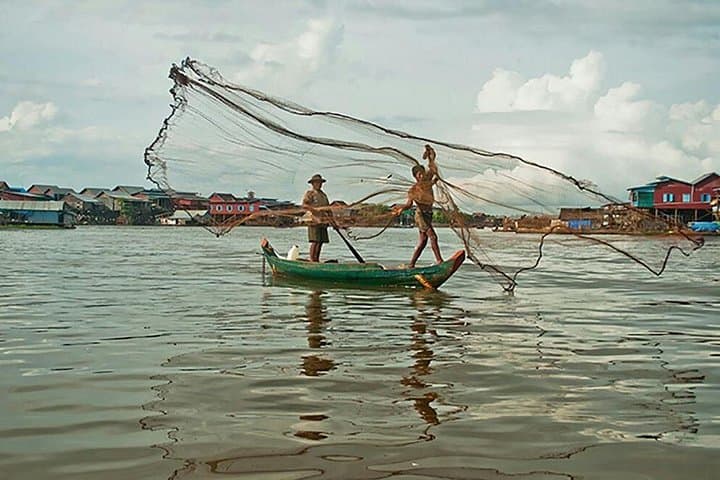
Expect intimate encounters with local fishing culture, wooden-boat crossings across Tonle Sap, and a tactile sense of architecture half-reclaimed by nature. Guides will explain subsistence fishing, stilt construction, and how monsoon rhythms shape daily life.
Practical guidance: this private day runs about 5–7 hours with short walks, boat transfers, and some uneven footing on temple stones. Wear grippy, closed-toe shoes, carry sun protection and a light rain layer in the wet months, and bring cash for modest village purchases. Respect local customs — dress modestly at the temple and ask before photographing people — and leave no trace: these communities depend on the lake’s health. With preparation, the day delivers history, culture, and a vivid portrait of Cambodia’s waterland lifecycle.
The private day runs approximately 5–7 hours (300–420 minutes), including transfers, temple time, and the Kompong Khleang boat visit.
The operator lists wheelchair-accessible transportation and surfaces in some areas, but access within Beng Mealea and stilt-village walkways may be limited; check specifics with the provider before booking.
Admission is not included in the listed inclusions—expect to pay entry fees for Beng Mealea at the site unless otherwise confirmed with the operator.
Dry season (November–April) offers easier access on foot and lower water levels; wet season (May–October) transforms Kompong Khleang into a water landscape and can be particularly dramatic but wetter.
Tour Guide-Siem Reap operates guided outdoor trips and adventures with an emphasis on safety, stewardship, and memorable experiences.
The road out of Siem Reap narrows as rice paddies roll past the window and the air fills with the sharp, loamy scent of wet earth. By mid-morning you step from the van into the slow hush around Beng Mealea — a mid-12th century temple where massive stones lean, roots thread through lintels, and a new wooden walkway lifts you above the uneven ground.
The road out of Siem Reap narrows as rice paddies roll past the window and the air fills with the sharp, loamy scent of wet earth. By mid-morning you step from the van into the slow hush around Beng Mealea — a mid-12th century temple where massive stones lean, roots thread through lintels, and a new wooden walkway lifts you above the uneven ground.
Beng Mealea began as an Angkorian temple complex blending Hindu and Buddhist motifs; time and jungle have pried apart galleries and corridors into an immersive ruin. Geologically, the surrounding plains are floodplain clay and alluvium drained by the Tonle Sap system, which drives seasonal changes in the nearby Kompong Khleang community. At Kompong Khleang, stilt houses rise and fall with the lake; in the dry season wood stands exposed like stilts in a cathedral, while the wet season fills the world with floating life and water-bound boats.
Expect intimate encounters with local fishing culture, wooden-boat crossings across Tonle Sap, and a tactile sense of architecture half-reclaimed by nature. Guides will explain subsistence fishing, stilt construction, and how monsoon rhythms shape daily life.
Practical guidance: this private day runs about 5–7 hours with short walks, boat transfers, and some uneven footing on temple stones. Wear grippy, closed-toe shoes, carry sun protection and a light rain layer in the wet months, and bring cash for modest village purchases. Respect local customs — dress modestly at the temple and ask before photographing people — and leave no trace: these communities depend on the lake’s health. With preparation, the day delivers history, culture, and a vivid portrait of Cambodia’s waterland lifecycle.