THE ADVENTURE COLLECTIVE® · Independent discovery and booking for outdoor travel

Explore a raw Angkor‑era jungle temple and glide through the flooded mangrove village of Kampong Phluk in one day. This tour pairs hands‑on archaeology at Beng Melea with a peaceful Tonle Sap boat ride for a full snapshot of Siem Reap’s natural and cultural contrasts.
Explore a raw Angkor‑era jungle temple and glide through the flooded mangrove village of Kampong Phluk in one day. This tour pairs hands‑on archaeology at Beng Melea with a peaceful Tonle Sap boat ride for a full snapshot of Siem Reap’s natural and cultural contrasts.
You step out of the air‑conditioned van onto a dusty lane, the heat of the Cambodian plain pressing against your shirt. Ahead, Beng Melea’s crumbling galleries lean into the forest; roots braid through stone and birds punctuate the silence. Later, the Tonle Sap unfurls from the road — a low, slow mirror where stilted houses and mangrove trunks puncture the water like wooden teeth.
Verified experiences and guided adventures in the surrounding area.
Operated by Angkor Daily Trip · Siem Reap, Siem Reap Province
You step out of the air‑conditioned van onto a dusty lane, the heat of the Cambodian plain pressing against your shirt. Ahead, Beng Melea’s crumbling galleries lean into the forest; roots braid through stone and birds punctuate the silence. Later, the Tonle Sap unfurls from the road — a low, slow mirror where stilted houses and mangrove trunks puncture the water like wooden teeth.
Beng Melea dates to the 12th century, a relic of King Suryavarman II’s Angkor era that never saw full restoration. Its collapsed corridors and bas-reliefs tell of Hindu and later Buddhist influences; the masonry and lateritic blocks reflect ancient quarrying and Khmer engineering. Kampong Phluk, by contrast, is a living water landscape shaped by the Tonle Sap’s dramatic seasonal pulse — flooded forests and stilt villages reflect a culture adapted to rising and receding waters.
On this combined day trip you’ll move from archaeological exploration to quiet boat travel. Expect uneven footing inside Beng Melea, fallen lintels to clamber over, and tight, vine-choked passages that reward careful navigation and a patient eye. The boat leg is gentle but requires balance when boarding; low-season water levels reveal mudflats, high water makes the village float and the mangroves loom like a waterborne cathedral.
Practical tips: travel early to avoid midday heat, wear sturdy closed shoes, bring insect repellent and a sun hat, and carry cash for small entrance fees and local sellers. A knowledgeable guide will contextualize the stones and explain how communities read the lake’s rhythms — this is history and habitat moving at the same slow, compelling pace.
The tour runs about six hours combining time at Beng Melea and a boat trip with village visits at Kampong Phluk.
No — Beng Melea remains largely unrestored with collapsed galleries and overgrowth, so expect raw archaeological features rather than rebuilt structures.
Yes; from July to February the Tonle Sap swells and Kampong Phluk becomes a floating village, making the boat experience different and often more dramatic.
Generally yes if they can handle short hikes, uneven footing, and boat boarding; inform the operator of mobility concerns when booking.
Angkor Daily Trip operates guided outdoor trips and adventures with an emphasis on safety, stewardship, and memorable experiences.
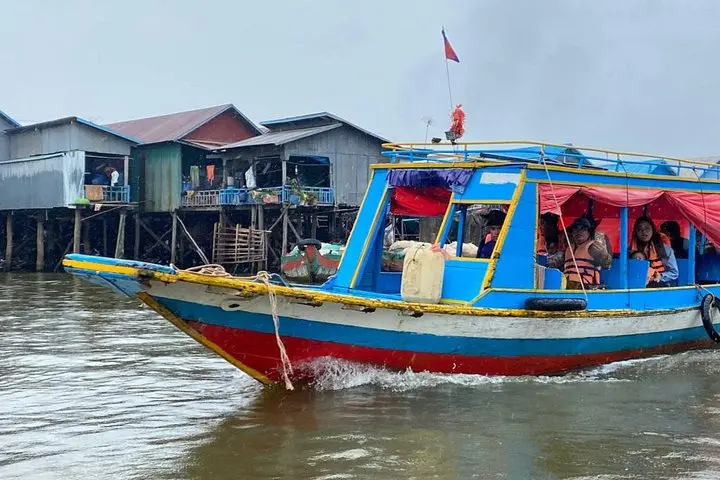
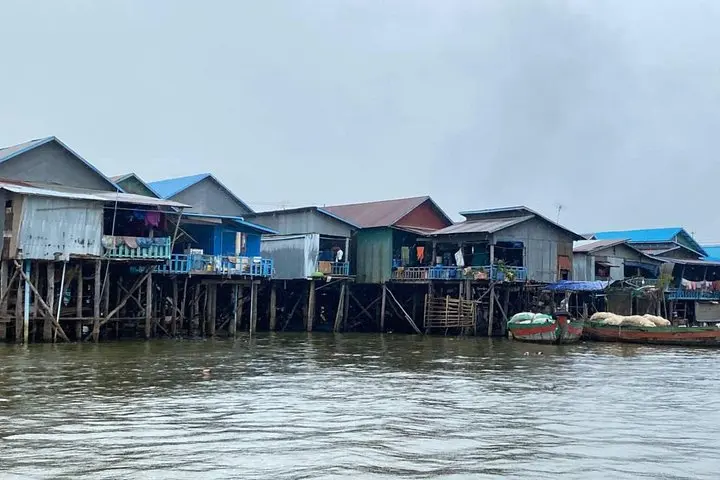
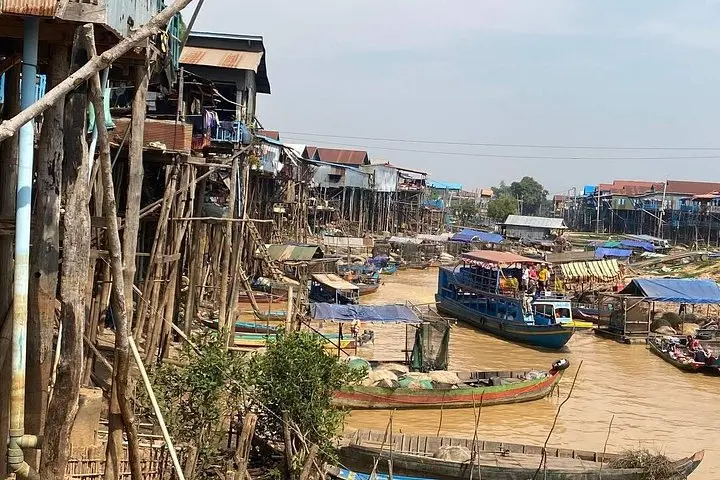
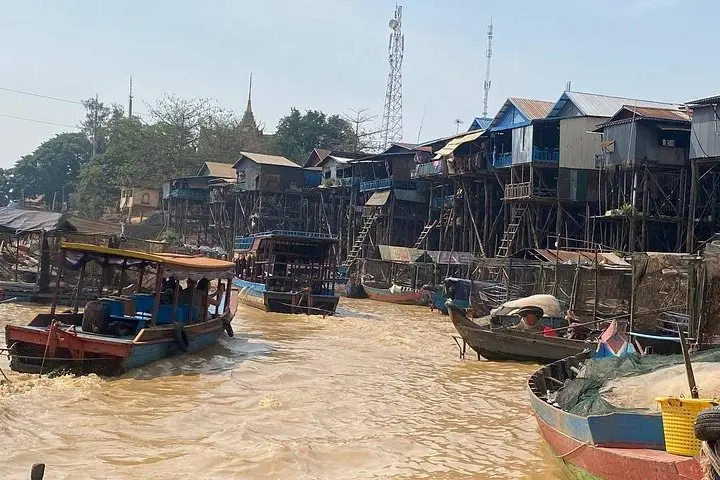
You step out of the air‑conditioned van onto a dusty lane, the heat of the Cambodian plain pressing against your shirt. Ahead, Beng Melea’s crumbling galleries lean into the forest; roots braid through stone and birds punctuate the silence. Later, the Tonle Sap unfurls from the road — a low, slow mirror where stilted houses and mangrove trunks puncture the water like wooden teeth.
You step out of the air‑conditioned van onto a dusty lane, the heat of the Cambodian plain pressing against your shirt. Ahead, Beng Melea’s crumbling galleries lean into the forest; roots braid through stone and birds punctuate the silence. Later, the Tonle Sap unfurls from the road — a low, slow mirror where stilted houses and mangrove trunks puncture the water like wooden teeth.
Beng Melea dates to the 12th century, a relic of King Suryavarman II’s Angkor era that never saw full restoration. Its collapsed corridors and bas-reliefs tell of Hindu and later Buddhist influences; the masonry and lateritic blocks reflect ancient quarrying and Khmer engineering. Kampong Phluk, by contrast, is a living water landscape shaped by the Tonle Sap’s dramatic seasonal pulse — flooded forests and stilt villages reflect a culture adapted to rising and receding waters.
On this combined day trip you’ll move from archaeological exploration to quiet boat travel. Expect uneven footing inside Beng Melea, fallen lintels to clamber over, and tight, vine-choked passages that reward careful navigation and a patient eye. The boat leg is gentle but requires balance when boarding; low-season water levels reveal mudflats, high water makes the village float and the mangroves loom like a waterborne cathedral.
Practical tips: travel early to avoid midday heat, wear sturdy closed shoes, bring insect repellent and a sun hat, and carry cash for small entrance fees and local sellers. A knowledgeable guide will contextualize the stones and explain how communities read the lake’s rhythms — this is history and habitat moving at the same slow, compelling pace.