THE ADVENTURE COLLECTIVE® · Independent discovery and booking for outdoor travel

Head beyond Angkor's crowds for a full-day small-group tour to Beng Melea and Koh Ker. Experience overgrown galleries and a remote Khmer capital with practical tips on timing, footwear and what to expect on the trails.
Head beyond Angkor's crowds for a full-day small-group tour to Beng Melea and Koh Ker. Experience overgrown galleries and a remote Khmer capital with practical tips on timing, footwear and what to expect on the trails.
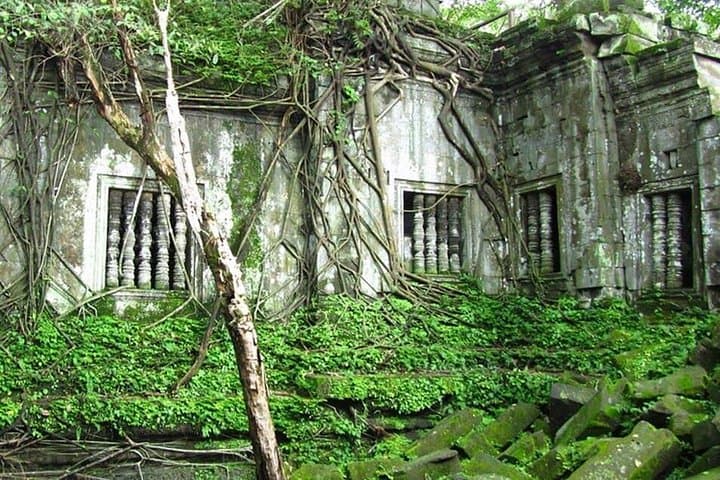
You push through a gap in the jungle and stone reclaims the daylight — pillars lean like tired giants, roots braid through lintels, and the path ahead is shaded by a canopy of timber and birdsong.
Verified experiences and guided adventures in the surrounding area.
Operated by Green Era Travel · Siem Reap, Siem Reap Province
You push through a gap in the jungle and stone reclaims the daylight — pillars lean like tired giants, roots braid through lintels, and the path ahead is shaded by a canopy of timber and birdsong.
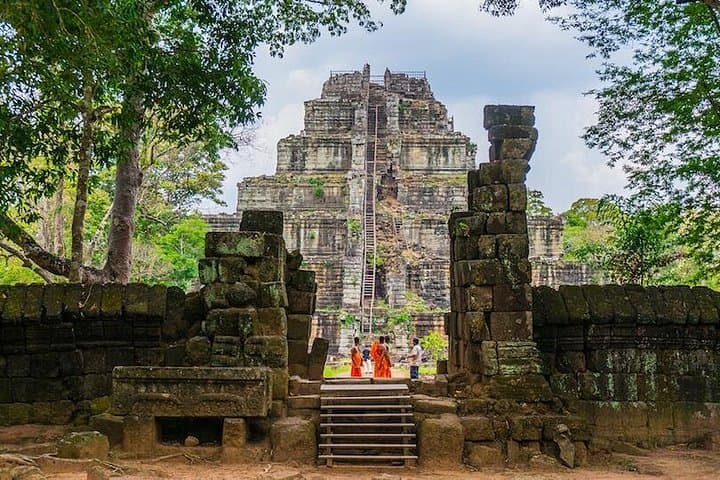
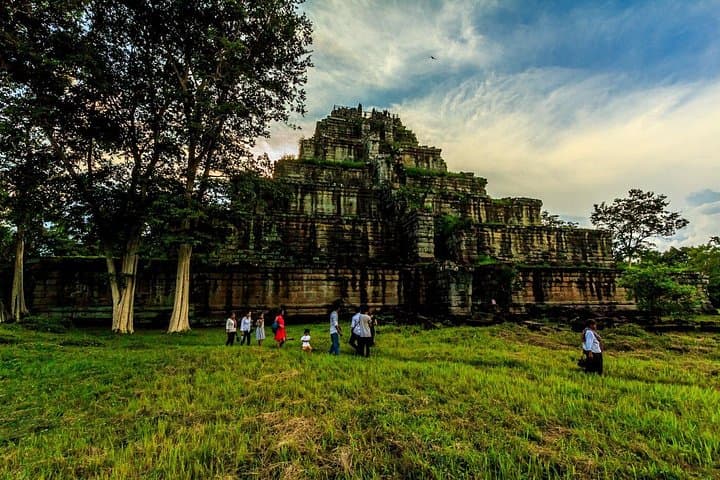
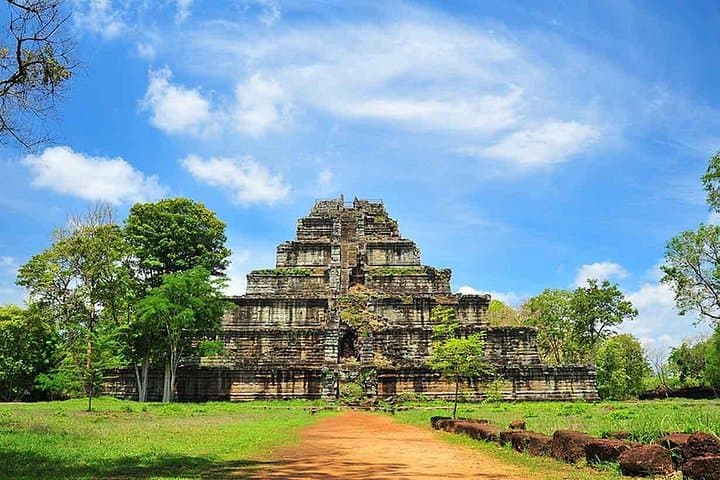
This full-day loop from Siem Reap links two very different Khmer places. Beng Melea is an 11th–12th century temple complex with collapsed galleries and corridors overtaken by vegetation; it's raw, less excavated, and feels like archaeology in active progress. Koh Ker, nearly an hour further northeast, was briefly the Khmer capital in the 10th century and presents a cluster of stepped pyramids and solitary towers (Prasat Thom) that read like early experiments in scale and geometry.
Geologically the sites sit on flat alluvial plains cut by seasonal streams; heavy rain can turn dirt tracks slick, while the dry season reveals dusty reds underfoot. Culturally you'll pass small villages and rice paddies; local guides can explain ritual elements and identify sculptures and iconography that were later moved to Phnom Penh.
Practical side: the day runs about 6–8 hours with mostly flat walking but uneven stone and loose rubble underfoot. Bring sturdy shoes, sun protection, and insect repellent; carry cash for local entrance fees and small vendor purchases. Aim for an early start to avoid midday heat and to catch clearer light for photography. Expect light walking on jungle trails, steps and occasional short climbs; rest stops and a picnic lunch are usually part of the itinerary. Travel with a certified local guide for context, safety, and to navigate the rougher sections safely.
No — entrance fees to Beng Melea and Koh Ker typically are not included in the tour price; bring cash for site permits and any local donations.
Yes — most operators include shared hotel pickup and drop-off in Siem Reap; confirm your pickup time and location when booking.
Both temples have uneven ground, loose stones and steps; they are not wheelchair-friendly and require moderate mobility to explore fully.
Vendors may offer snacks and drinks at parking areas; the tour usually includes bottled water and a picnic lunch, but carrying extra water is recommended.
Green Era Travel operates guided outdoor trips and adventures with an emphasis on safety, stewardship, and memorable experiences.
You push through a gap in the jungle and stone reclaims the daylight — pillars lean like tired giants, roots braid through lintels, and the path ahead is shaded by a canopy of timber and birdsong.
You push through a gap in the jungle and stone reclaims the daylight — pillars lean like tired giants, roots braid through lintels, and the path ahead is shaded by a canopy of timber and birdsong.
This full-day loop from Siem Reap links two very different Khmer places. Beng Melea is an 11th–12th century temple complex with collapsed galleries and corridors overtaken by vegetation; it's raw, less excavated, and feels like archaeology in active progress. Koh Ker, nearly an hour further northeast, was briefly the Khmer capital in the 10th century and presents a cluster of stepped pyramids and solitary towers (Prasat Thom) that read like early experiments in scale and geometry.
Geologically the sites sit on flat alluvial plains cut by seasonal streams; heavy rain can turn dirt tracks slick, while the dry season reveals dusty reds underfoot. Culturally you'll pass small villages and rice paddies; local guides can explain ritual elements and identify sculptures and iconography that were later moved to Phnom Penh.
Practical side: the day runs about 6–8 hours with mostly flat walking but uneven stone and loose rubble underfoot. Bring sturdy shoes, sun protection, and insect repellent; carry cash for local entrance fees and small vendor purchases. Aim for an early start to avoid midday heat and to catch clearer light for photography. Expect light walking on jungle trails, steps and occasional short climbs; rest stops and a picnic lunch are usually part of the itinerary. Travel with a certified local guide for context, safety, and to navigate the rougher sections safely.