THE ADVENTURE COLLECTIVE® · Independent discovery and booking for outdoor travel

Spend a full day on Bentota’s river channels, swimming at a secluded waterfall, visiting Kande Viharaya temple, and touring a working tea plantation. This balanced day tour mixes wildlife, culture, and local flavors with minimal walking and an easy pace.
Spend a full day on Bentota’s river channels, swimming at a secluded waterfall, visiting Kande Viharaya temple, and touring a working tea plantation. This balanced day tour mixes wildlife, culture, and local flavors with minimal walking and an easy pace.
The day opens on a slow ribbon of water: the Bentota River parts the mangroves and the boat slips forward, oars whispering as kingfishers flicker like brief punctuation. In the morning light the river seems to dare you to slow down—mangrove roots reach for the hull and monitor lizards bask with indifferent curiosity.
Verified experiences and guided adventures in the surrounding area.
Operated by Tony Tours · Bentota, Southern Province
The day opens on a slow ribbon of water: the Bentota River parts the mangroves and the boat slips forward, oars whispering as kingfishers flicker like brief punctuation. In the morning light the river seems to dare you to slow down—mangrove roots reach for the hull and monitor lizards bask with indifferent curiosity.
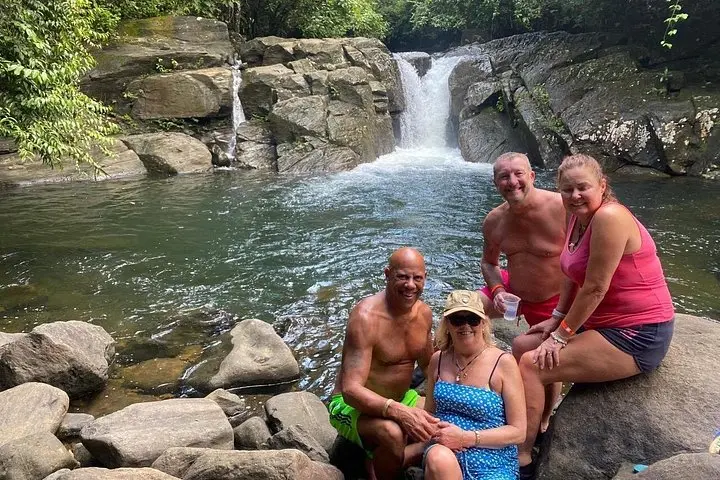
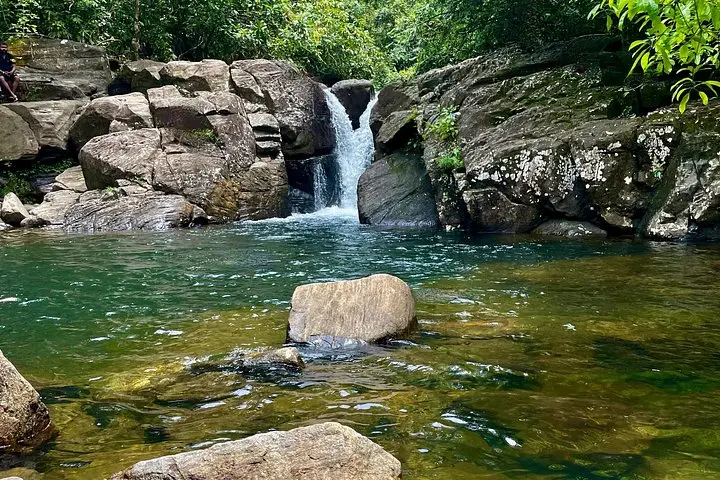
This full-day loop pairs coastal river ecology with cultural stops. The Bentota River threads a landscape shaped by coastal sediments and ancient trade routes; nearby Kande Viharaya occupies a hill above Beruwala and presents one of the area’s most visible Buddha statues, reflecting the region’s long Buddhist heritage. Polgampola waterfall offers a clear, cooled pool cut into volcanic and metamorphic bedrock, a welcome place to swim and towel off before lunch. The tea plantation visit traces colonial-era tea culture to working processing rooms and tasting tables where Ceylon tea’s bright, brisk character becomes obvious.
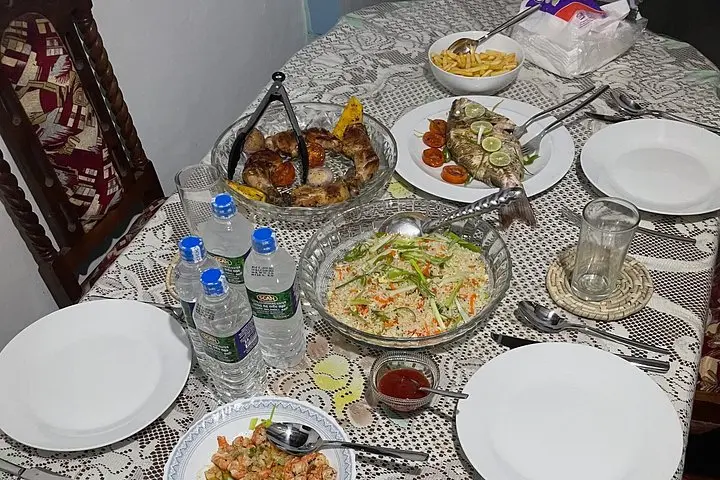
Travelers can expect a mix of short boat rides, flat walking at market stalls, a moderate downhill approach to the waterfall, and a guided tea-tasting tour. Guides point out mangrove ecology and local crafts; small-group pacing leaves time for photography and a relaxed lunch of rice and curries.
Practical notes: wear quick-dry layers, reef-safe sunscreen, and shoes that grip wet rocks. Bring modest clothing for the temple and small cash for market purchases and tips. The best light for wildlife is early morning; plan the boat leg first. Hydrate and keep insect repellent handy—mosquitoes are active near the water in the late afternoon.
Boat launches are usually a short drive from central Bentota; pick-up is included from nearby towns and takes 10–20 minutes depending on the hotel location.
Swimming is permitted at Polgampola waterfall but exercise caution—currents change after rain and there are uneven rocks; follow your guide’s instructions.
Yes—Kande Viharaya is family-friendly, but visitors should dress modestly and be prepared to remove shoes and follow any photography rules.
Most tea estate tours are fine for older children; machinery areas may be off-limits and children should be supervised around processing equipment.
Tony Tours operates guided outdoor trips and adventures with an emphasis on safety, stewardship, and memorable experiences.
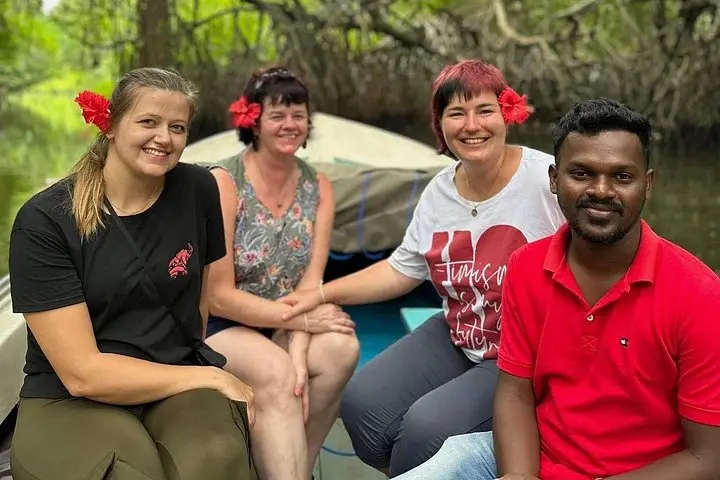
The day opens on a slow ribbon of water: the Bentota River parts the mangroves and the boat slips forward, oars whispering as kingfishers flicker like brief punctuation. In the morning light the river seems to dare you to slow down—mangrove roots reach for the hull and monitor lizards bask with indifferent curiosity.
The day opens on a slow ribbon of water: the Bentota River parts the mangroves and the boat slips forward, oars whispering as kingfishers flicker like brief punctuation. In the morning light the river seems to dare you to slow down—mangrove roots reach for the hull and monitor lizards bask with indifferent curiosity.
This full-day loop pairs coastal river ecology with cultural stops. The Bentota River threads a landscape shaped by coastal sediments and ancient trade routes; nearby Kande Viharaya occupies a hill above Beruwala and presents one of the area’s most visible Buddha statues, reflecting the region’s long Buddhist heritage. Polgampola waterfall offers a clear, cooled pool cut into volcanic and metamorphic bedrock, a welcome place to swim and towel off before lunch. The tea plantation visit traces colonial-era tea culture to working processing rooms and tasting tables where Ceylon tea’s bright, brisk character becomes obvious.
Travelers can expect a mix of short boat rides, flat walking at market stalls, a moderate downhill approach to the waterfall, and a guided tea-tasting tour. Guides point out mangrove ecology and local crafts; small-group pacing leaves time for photography and a relaxed lunch of rice and curries.
Practical notes: wear quick-dry layers, reef-safe sunscreen, and shoes that grip wet rocks. Bring modest clothing for the temple and small cash for market purchases and tips. The best light for wildlife is early morning; plan the boat leg first. Hydrate and keep insect repellent handy—mosquitoes are active near the water in the late afternoon.