THE ADVENTURE COLLECTIVE® · Independent discovery and booking for outdoor travel

Walk centuries-old cedar avenues at Usa Jingu, taste Oita’s famed fried chicken, then witness Beppu’s otherworldly Jigoku ponds — a private full-day that pairs culture and geothermal spectacle. Practical tips and what to expect for a smooth outing.
Walk centuries-old cedar avenues at Usa Jingu, taste Oita’s famed fried chicken, then witness Beppu’s otherworldly Jigoku ponds — a private full-day that pairs culture and geothermal spectacle. Practical tips and what to expect for a smooth outing.
You step into a quiet cedar avenue as the car slows outside Usa Jingu, the air edged with wood smoke and the soft rustle of worshippers' footsteps. The shrine's red-lacquered gates and vast precincts feel deliberately measured — a place built to be walked slowly.
Verified experiences and guided adventures in the surrounding area.
Operated by Tomio Yokouchi · Beppu, Oita
You step into a quiet cedar avenue as the car slows outside Usa Jingu, the air edged with wood smoke and the soft rustle of worshippers' footsteps. The shrine's red-lacquered gates and vast precincts feel deliberately measured — a place built to be walked slowly.
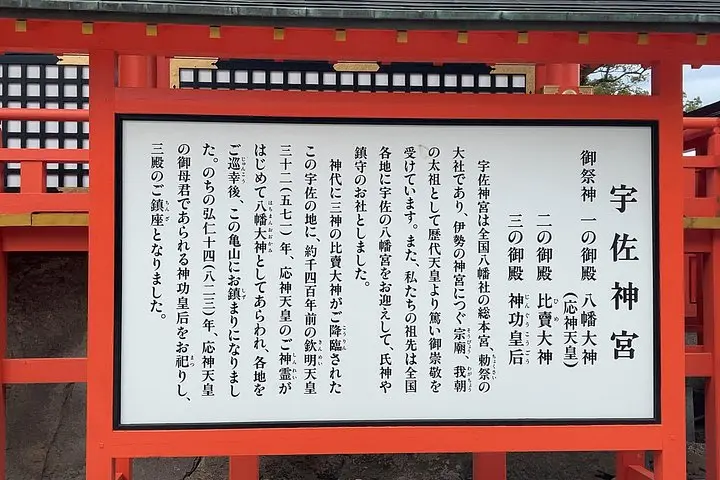
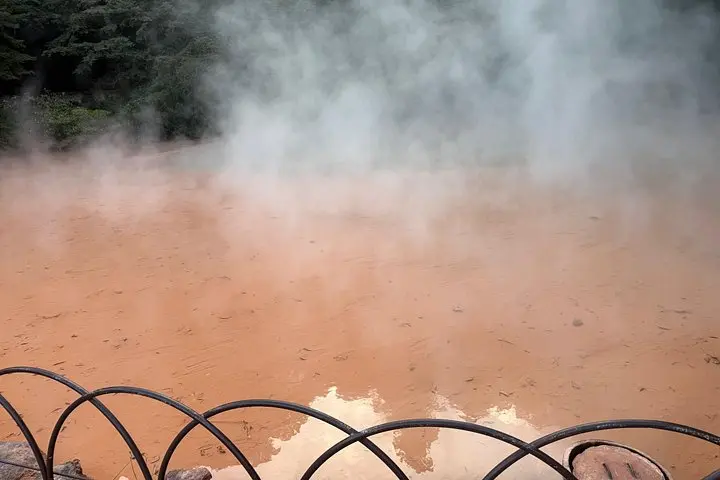
Usa Jingu is one of Japan's principal Hachiman shrines, historically linked to imperial patronage and the evolution of Shinto-Buddhist rites in Kyushu. The region's geology tells a different story: underfoot, volcanic heat shapes Beppu's character, forcing mineral-rich springs through tufa and basalt to produce the vivid colors of the Jigoku — Chinoike’s iron-stained red and Umi’s striking cobalt.
Culturally the day pairs spiritual calm with visceral thermal spectacle. Local eateries between Usa and Beppu serve Oita’s famous karaage (fried chicken) — a practical, warming lunch after shrine steps and boardwalks.
Practical guidance: the private car drive from Beppu to Usa takes roughly 45–60 minutes each way (about 40 km). Expect several short walks on flat to mildly uneven surfaces, plus time at outdoor hot-spring ponds where water temperatures exceed 90°C — look, photograph, but don’t touch those pools. Bring cash for small entrance fees, foot baths, and optional local lunches. Comfortable walking shoes, sun or rain protection, and a reusable water bottle keep the day smooth.
This itinerary balances contemplative shrine time with the raw visual drama of Beppu’s Jigoku. It's an accessible, sensory-rich day for travelers who want history, geology, and local flavors without a long trek.
This tour may not include entrance fees; bring cash for admission and optional foot baths, as some sites charge on arrival.
Usa Jingu has wide precincts and mostly flat paths, but some steps and uneven areas exist; the tour is suitable for most mobility levels with moderate assistance as needed.
Yes — photography is allowed at outdoor Jigoku ponds and most shrine areas, but respect any signs or requests to refrain in specific sacred sections.
Lunch is not included but the itinerary allows time to eat at recommended local restaurants near Usa and Beppu; many serve Oita’s signature fried chicken.
Tomio Yokouchi operates guided outdoor trips and adventures with an emphasis on safety, stewardship, and memorable experiences.
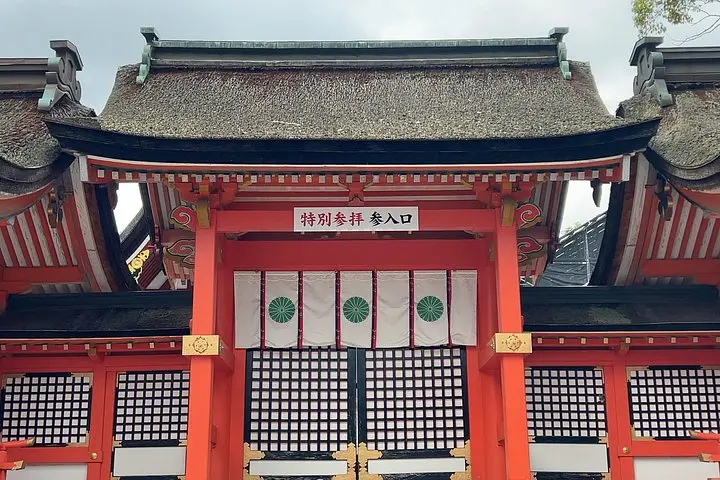
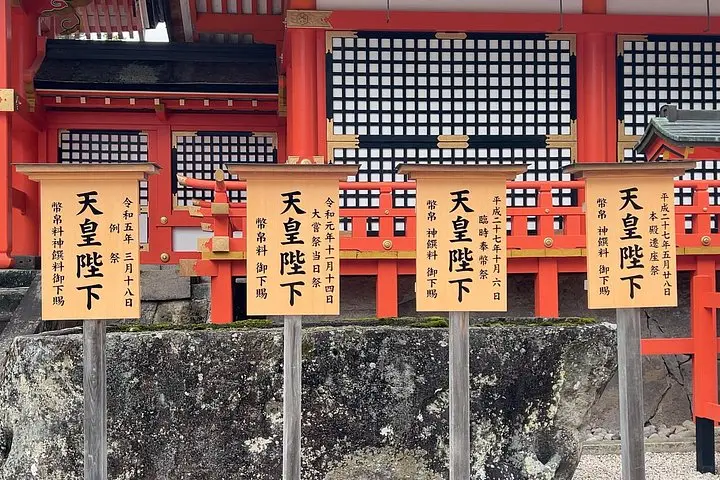
You step into a quiet cedar avenue as the car slows outside Usa Jingu, the air edged with wood smoke and the soft rustle of worshippers' footsteps. The shrine's red-lacquered gates and vast precincts feel deliberately measured — a place built to be walked slowly.
You step into a quiet cedar avenue as the car slows outside Usa Jingu, the air edged with wood smoke and the soft rustle of worshippers' footsteps. The shrine's red-lacquered gates and vast precincts feel deliberately measured — a place built to be walked slowly.
Usa Jingu is one of Japan's principal Hachiman shrines, historically linked to imperial patronage and the evolution of Shinto-Buddhist rites in Kyushu. The region's geology tells a different story: underfoot, volcanic heat shapes Beppu's character, forcing mineral-rich springs through tufa and basalt to produce the vivid colors of the Jigoku — Chinoike’s iron-stained red and Umi’s striking cobalt.
Culturally the day pairs spiritual calm with visceral thermal spectacle. Local eateries between Usa and Beppu serve Oita’s famous karaage (fried chicken) — a practical, warming lunch after shrine steps and boardwalks.
Practical guidance: the private car drive from Beppu to Usa takes roughly 45–60 minutes each way (about 40 km). Expect several short walks on flat to mildly uneven surfaces, plus time at outdoor hot-spring ponds where water temperatures exceed 90°C — look, photograph, but don’t touch those pools. Bring cash for small entrance fees, foot baths, and optional local lunches. Comfortable walking shoes, sun or rain protection, and a reusable water bottle keep the day smooth.
This itinerary balances contemplative shrine time with the raw visual drama of Beppu’s Jigoku. It's an accessible, sensory-rich day for travelers who want history, geology, and local flavors without a long trek.