THE ADVENTURE COLLECTIVE® · Independent discovery and booking for outdoor travel

Walk through centuries on a compact tour of Berat’s castle, Ottoman-era neighborhoods and the Gorica Bridge. Expect close-up history, tight stone streets and vivid iconography—ideal for travelers who like compact, walkable cultural experiences.
Walk through centuries on a compact tour of Berat’s castle, Ottoman-era neighborhoods and the Gorica Bridge. Expect close-up history, tight stone streets and vivid iconography—ideal for travelers who like compact, walkable cultural experiences.
You step off the bus and the Osum River greets you, a cool, glinting line that seems to dare you to cross its centuries-old bridges. The Gorica Bridge arches like an Ottoman eyebrow over the water, and above it the white houses of Mangalem stack one over another—windows and stories facing the valley. Walking here feels like moving through an open-air museum where stones keep score of conquests, faiths and trades.
Verified experiences and guided adventures in the surrounding area.
Operated by 1001 Albanian Adventures · Berat, Berat County
You step off the bus and the Osum River greets you, a cool, glinting line that seems to dare you to cross its centuries-old bridges. The Gorica Bridge arches like an Ottoman eyebrow over the water, and above it the white houses of Mangalem stack one over another—windows and stories facing the valley. Walking here feels like moving through an open-air museum where stones keep score of conquests, faiths and trades.
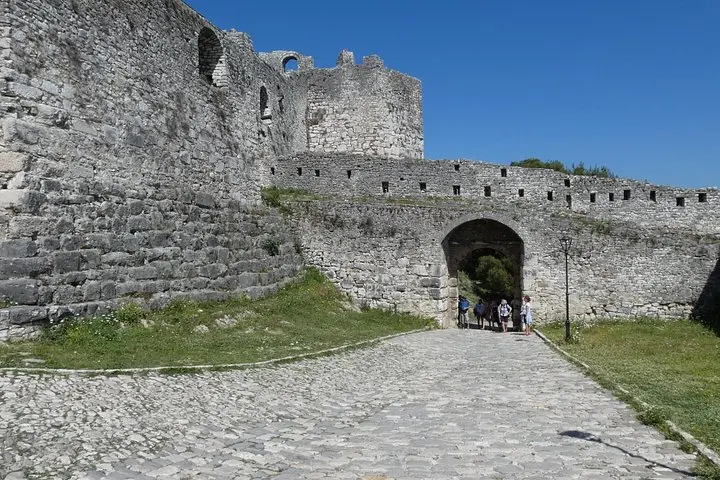
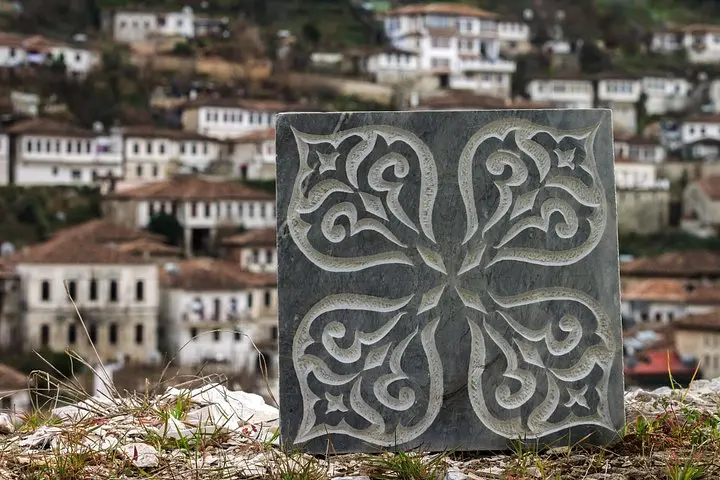
Berat’s inhabited castle plateau has been lived in for roughly 2,400 years; its layers of Byzantine churches, Ottoman houses, and 15th-century walls tell a compressed history of the Balkans. Geologically, the city sits where karst hills meet fertile river terraces, producing narrow streets that funnel winds and voices. The Onufri icon museum inside the Church of St. Mary of Blachernae preserves vivid 16th-century icons—local craftsmanship that influenced Albanian ecclesiastical art for centuries.
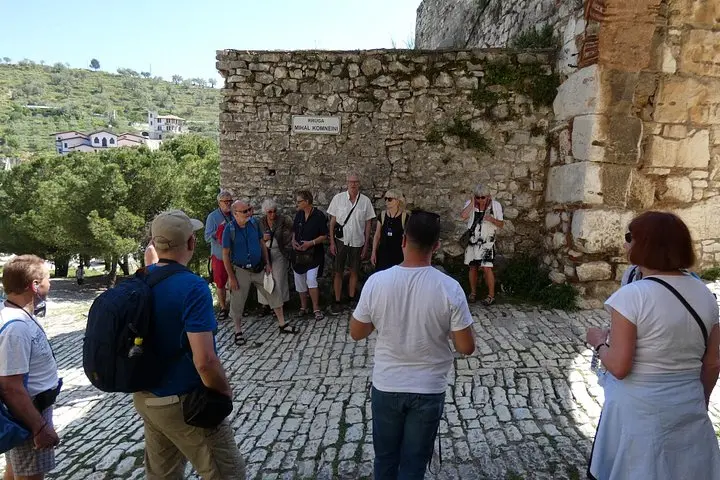
Expect a slow, easy-paced walking tour that moves between viewpoints, small museums and neighborhood streets; admission to some churches or museums may be extra. Wear sturdy shoes for uneven stone lanes and bring water—the sun reflects off white stone and can be sharp in summer. Mornings and late afternoons offer cooler light for photography and the best time to avoid crowds.
Practical: tours typically run 1–3 hours, operate year-round, and include a certified local guide who can share architectural details and local anecdotes. Keep an eye on cobblestones when the river is high after heavy rain. With modest fitness, basic mobility and curiosity, this tour is a direct, textured way to read Albania’s layered past while standing in its present.
The tour walks through the inhabited castle area—guided access is included, but specific museum or church admissions may require separate fees.
Many streets are steep or cobbled; while parts of the castle are inhabited and accessible, full access may be difficult for those with mobility limitations—ask the operator for details.
This experience runs roughly 60–180 minutes depending on the chosen itinerary and pace; most shared tours average about two hours.
Yes—certified local guides usually cover Ottoman, Byzantine and Albanian Orthodox history, and point out significant icons and architectural features.
1001 Albanian Adventures operates guided outdoor trips and adventures with an emphasis on safety, stewardship, and memorable experiences.
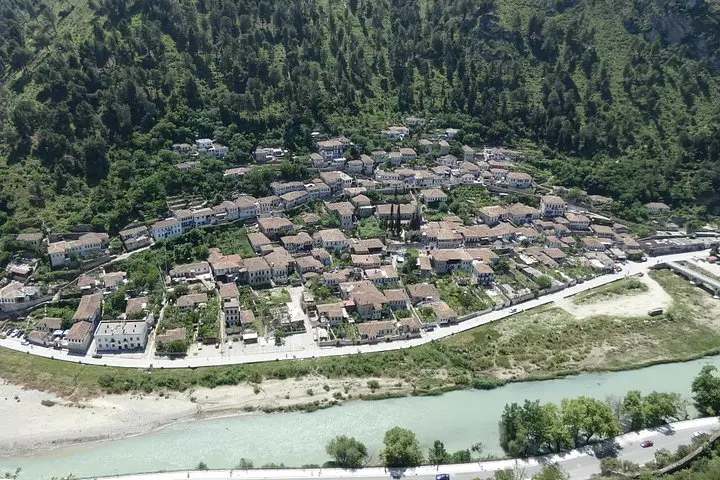
You step off the bus and the Osum River greets you, a cool, glinting line that seems to dare you to cross its centuries-old bridges. The Gorica Bridge arches like an Ottoman eyebrow over the water, and above it the white houses of Mangalem stack one over another—windows and stories facing the valley. Walking here feels like moving through an open-air museum where stones keep score of conquests, faiths and trades.
You step off the bus and the Osum River greets you, a cool, glinting line that seems to dare you to cross its centuries-old bridges. The Gorica Bridge arches like an Ottoman eyebrow over the water, and above it the white houses of Mangalem stack one over another—windows and stories facing the valley. Walking here feels like moving through an open-air museum where stones keep score of conquests, faiths and trades.
Berat’s inhabited castle plateau has been lived in for roughly 2,400 years; its layers of Byzantine churches, Ottoman houses, and 15th-century walls tell a compressed history of the Balkans. Geologically, the city sits where karst hills meet fertile river terraces, producing narrow streets that funnel winds and voices. The Onufri icon museum inside the Church of St. Mary of Blachernae preserves vivid 16th-century icons—local craftsmanship that influenced Albanian ecclesiastical art for centuries.
Expect a slow, easy-paced walking tour that moves between viewpoints, small museums and neighborhood streets; admission to some churches or museums may be extra. Wear sturdy shoes for uneven stone lanes and bring water—the sun reflects off white stone and can be sharp in summer. Mornings and late afternoons offer cooler light for photography and the best time to avoid crowds.
Practical: tours typically run 1–3 hours, operate year-round, and include a certified local guide who can share architectural details and local anecdotes. Keep an eye on cobblestones when the river is high after heavy rain. With modest fitness, basic mobility and curiosity, this tour is a direct, textured way to read Albania’s layered past while standing in its present.