THE ADVENTURE COLLECTIVE® · Independent discovery and booking for outdoor travel

Spend a day moving through Berat’s living castle, Byzantine icons and Ottoman streets, finishing with a regional wine tasting. This Durres departure blends approachable walking with rich history and local flavors.
Spend a day moving through Berat’s living castle, Byzantine icons and Ottoman streets, finishing with a regional wine tasting. This Durres departure blends approachable walking with rich history and local flavors.
A morning on the road from Durres arrives with the low hum of the highway, then opens up to terraces and the pale stone faces of Berat’s old houses. The city unfolds slowly: red-tiled roofs, the Osum river cupping two neighborhoods, and the medieval castle that still holds families within its walls. Walks climb cobbled lanes where sunlight skims carved window frames and vendors set out seasonal fruit.
Verified experiences and guided adventures in the surrounding area.
Operated by Tok Tours · Berat, Berat County
A morning on the road from Durres arrives with the low hum of the highway, then opens up to terraces and the pale stone faces of Berat’s old houses. The city unfolds slowly: red-tiled roofs, the Osum river cupping two neighborhoods, and the medieval castle that still holds families within its walls. Walks climb cobbled lanes where sunlight skims carved window frames and vendors set out seasonal fruit.
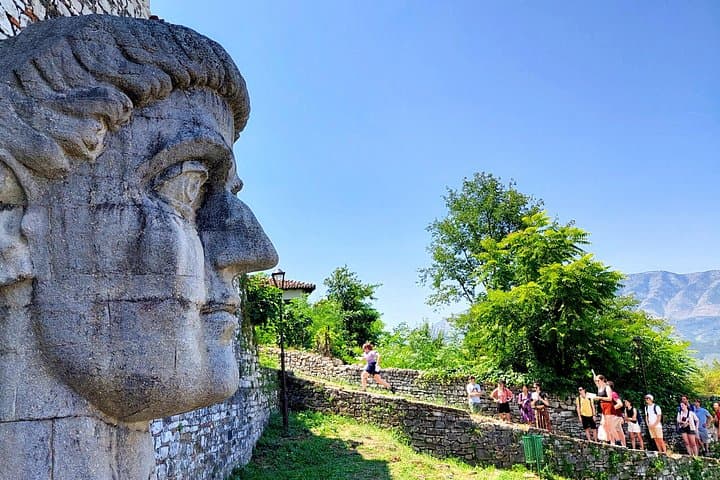
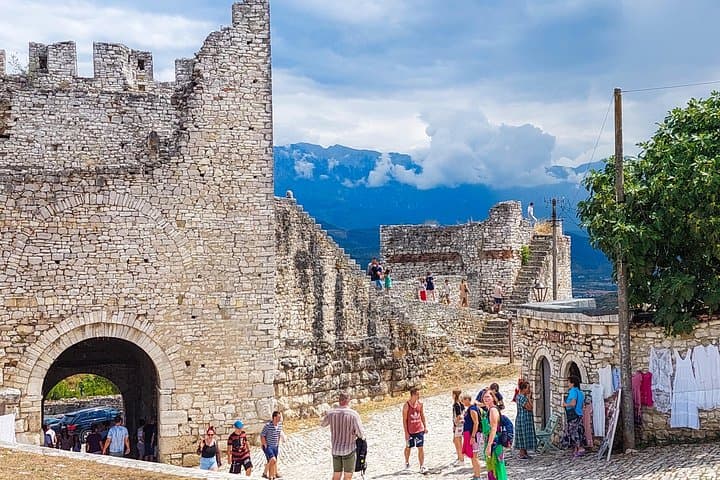
Berat’s castle district has been lived in since at least the 4th century BC; its walls frame Byzantine churches, Ottoman mosques, and homes that show how cultures layered across centuries. The Onufri Iconography Museum inside the Dormition of St. Mary preserves vivid post-Byzantine icons painted with local pigments, while the Gorica Bridge demonstrates Ottoman engineering spanning the Osum’s seasonal moods — sometimes playful, sometimes forceful.
Expect a mix of paved steps, narrow alleys and short uphill sections; the tour includes a castle courtyard visit, the Holy Trinity Church, street-level exploration of Mangalem and Gorica, and an optional wine tasting featuring local varietals and raki. Practicalities matter: plan for sun, uneven ground, and intermittent shade. Carry water, wear supportive shoes, and allow time for photo stops and a relaxed tasting.
The pace is cultural and walking-forward rather than athletic, ideal for travelers curious about history, architecture and regional flavors. Travelers should respect inhabited spaces inside the castle, follow guides’ local advice, and leave no trace—these neighborhoods are living places, not museum sets.
The tour lasts about 7 hours and includes transport from Durres, a licensed English-speaking guide, castle entrance, and (if selected) a wine tasting.
Much of the castle district has uneven cobbles and stairs; accessibility is limited—contact the operator for specific assistance options.
The wine tasting typically includes four wines, a sample of raki and local snacks, but full meals are separate.
Departures are often organized from Durres, but many operators offer pickups from Tirana for an extra fee—confirm at booking.
Tok Tours operates guided outdoor trips and adventures with an emphasis on safety, stewardship, and memorable experiences.
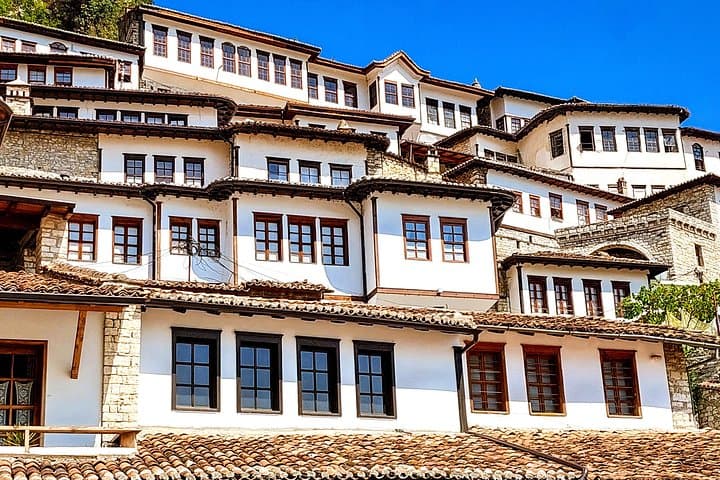
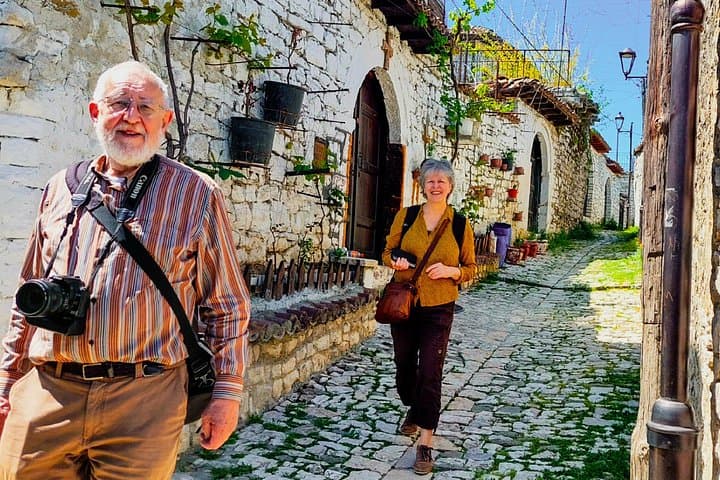
A morning on the road from Durres arrives with the low hum of the highway, then opens up to terraces and the pale stone faces of Berat’s old houses. The city unfolds slowly: red-tiled roofs, the Osum river cupping two neighborhoods, and the medieval castle that still holds families within its walls. Walks climb cobbled lanes where sunlight skims carved window frames and vendors set out seasonal fruit.
A morning on the road from Durres arrives with the low hum of the highway, then opens up to terraces and the pale stone faces of Berat’s old houses. The city unfolds slowly: red-tiled roofs, the Osum river cupping two neighborhoods, and the medieval castle that still holds families within its walls. Walks climb cobbled lanes where sunlight skims carved window frames and vendors set out seasonal fruit.
Berat’s castle district has been lived in since at least the 4th century BC; its walls frame Byzantine churches, Ottoman mosques, and homes that show how cultures layered across centuries. The Onufri Iconography Museum inside the Dormition of St. Mary preserves vivid post-Byzantine icons painted with local pigments, while the Gorica Bridge demonstrates Ottoman engineering spanning the Osum’s seasonal moods — sometimes playful, sometimes forceful.
Expect a mix of paved steps, narrow alleys and short uphill sections; the tour includes a castle courtyard visit, the Holy Trinity Church, street-level exploration of Mangalem and Gorica, and an optional wine tasting featuring local varietals and raki. Practicalities matter: plan for sun, uneven ground, and intermittent shade. Carry water, wear supportive shoes, and allow time for photo stops and a relaxed tasting.
The pace is cultural and walking-forward rather than athletic, ideal for travelers curious about history, architecture and regional flavors. Travelers should respect inhabited spaces inside the castle, follow guides’ local advice, and leave no trace—these neighborhoods are living places, not museum sets.