THE ADVENTURE COLLECTIVE® · Independent discovery and booking for outdoor travel

Spend two hours with Amazigh artists in Agadir’s medina learning traditional henna techniques near Souk El Had. This accessible cultural session includes hotel transfers and produces a natural, temporary tattoo rich in local meaning.
Spend two hours with Amazigh artists in Agadir’s medina learning traditional henna techniques near Souk El Had. This accessible cultural session includes hotel transfers and produces a natural, temporary tattoo rich in local meaning.
The air in Agadir’s medina tastes of spice and salt; sunlight from the nearby Atlantic slips between sun-baked walls as an artist dusts a cone of henna into a fine, cooling ribbon.
Verified experiences and guided adventures in the surrounding area.
Operated by Agadir Tagesausfluge · Agadir, Souss-Massa
The air in Agadir’s medina tastes of spice and salt; sunlight from the nearby Atlantic slips between sun-baked walls as an artist dusts a cone of henna into a fine, cooling ribbon.
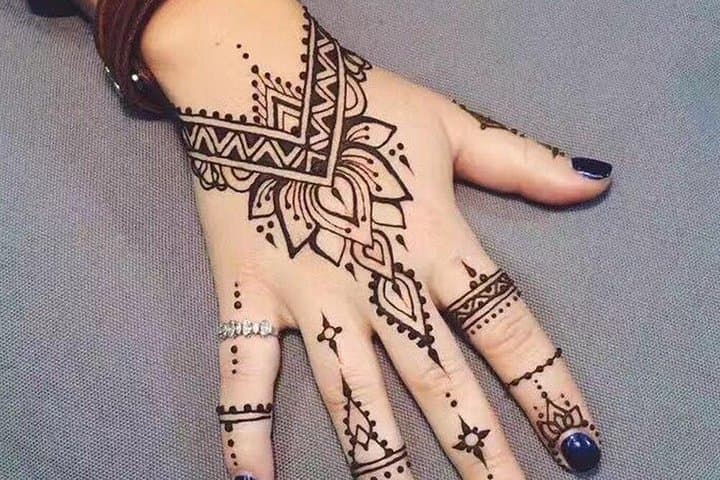
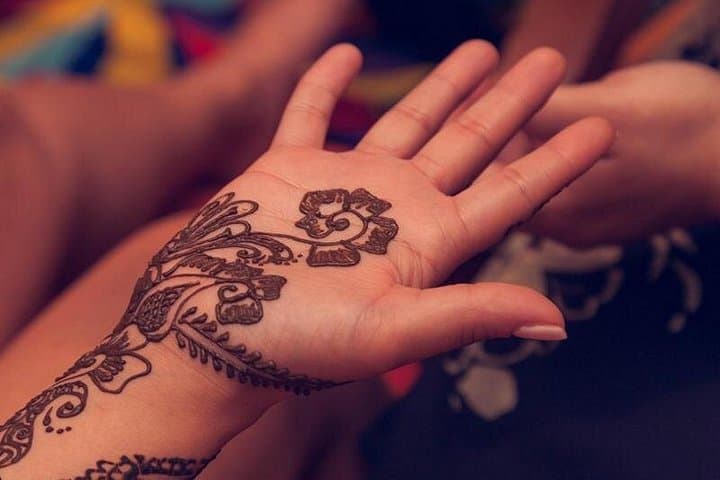
A two-hour session in the heart of the medina—just off Souk El Had—puts Amazigh (Berber) henna art in front of you: geometric motifs and filigree borrowed from centuries of North African craft. Henna’s use here ties directly to local rites of passage—weddings, harvests and family celebrations—so each pattern has cultural weight as well as aesthetic appeal. The medina itself is recent in origin (rebuilt after the 1960s earthquake) but the Amazigh artistic vocabulary it houses is much older, handed down by artisans from the Souss-Massa region.
Expect a compact, accessible studio where artists work with natural henna paste, transferring designs freehand or from stencils. The experience is largely non-technical—no special fitness needed—but sensory: the faint scent of henna, the stick of sugar-lemon aftercare, and the slow darkening of the stain over 24–48 hours. Hotel pickup and drop-off are usually included, and groups are small (up to 15).
Practical guidance: bring reference photos to speed the design process, plan for a 4–8 hour set time (longer if you want deep color), and avoid washing the area immediately after application. Ask about patch tests if you have sensitive skin, and decline any black henna with chemical additives. Carry a light layer for the evening—cooled coastal winds can arrive suddenly.
Natural henna stains typically last 1–3 weeks depending on skin type and care—longer on hands and darker with longer paste contact.
No; natural henna paste is applied topically and feels cool and slightly tacky but not painful.
Yes—this product generally includes hotel pickup and drop-off within Agadir; check your confirmation for pickup details.
Generally yes, but pregnant people should consult a provider and request a patch test; children should be supervised and may require a smaller, quicker design.
Agadir Tagesausfluge operates guided outdoor trips and adventures with an emphasis on safety, stewardship, and memorable experiences.
The air in Agadir’s medina tastes of spice and salt; sunlight from the nearby Atlantic slips between sun-baked walls as an artist dusts a cone of henna into a fine, cooling ribbon.
The air in Agadir’s medina tastes of spice and salt; sunlight from the nearby Atlantic slips between sun-baked walls as an artist dusts a cone of henna into a fine, cooling ribbon.
A two-hour session in the heart of the medina—just off Souk El Had—puts Amazigh (Berber) henna art in front of you: geometric motifs and filigree borrowed from centuries of North African craft. Henna’s use here ties directly to local rites of passage—weddings, harvests and family celebrations—so each pattern has cultural weight as well as aesthetic appeal. The medina itself is recent in origin (rebuilt after the 1960s earthquake) but the Amazigh artistic vocabulary it houses is much older, handed down by artisans from the Souss-Massa region.
Expect a compact, accessible studio where artists work with natural henna paste, transferring designs freehand or from stencils. The experience is largely non-technical—no special fitness needed—but sensory: the faint scent of henna, the stick of sugar-lemon aftercare, and the slow darkening of the stain over 24–48 hours. Hotel pickup and drop-off are usually included, and groups are small (up to 15).
Practical guidance: bring reference photos to speed the design process, plan for a 4–8 hour set time (longer if you want deep color), and avoid washing the area immediately after application. Ask about patch tests if you have sensitive skin, and decline any black henna with chemical additives. Carry a light layer for the evening—cooled coastal winds can arrive suddenly.