THE ADVENTURE COLLECTIVE® · Independent discovery and booking for outdoor travel

Two days of guided hikes through Douiret, Chenini and Tataouine take you from ksar alleys to salt flats and sand dunes. Expect 4–5 hour days on uneven terrain, a night in a gîte, and vivid cultural encounters with Berber village life.
Two days of guided hikes through Douiret, Chenini and Tataouine take you from ksar alleys to salt flats and sand dunes. Expect 4–5 hour days on uneven terrain, a night in a gîte, and vivid cultural encounters with Berber village life.
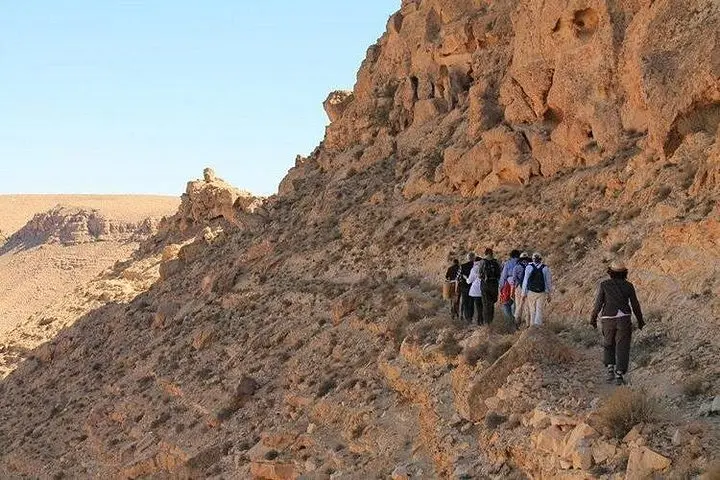
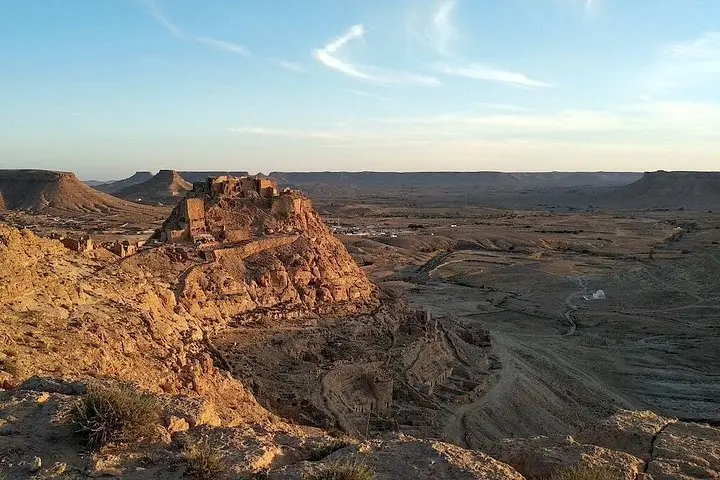
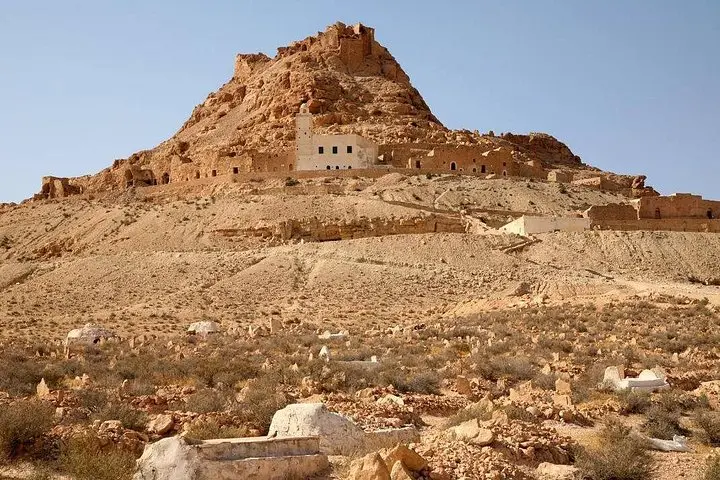
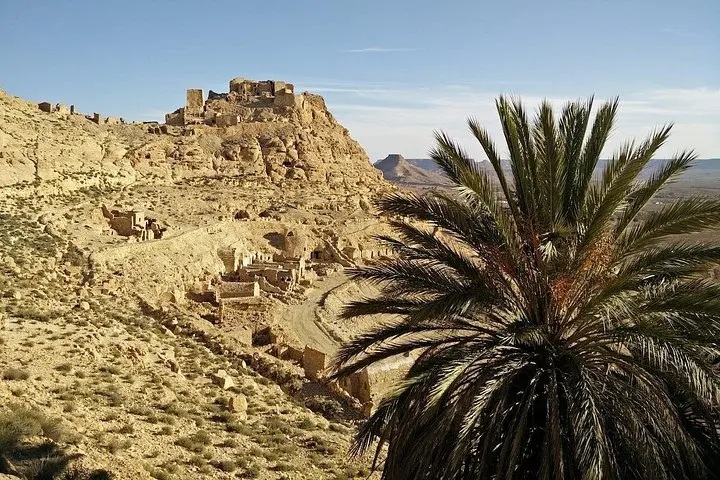
The trail begins where stone roofs step down into the plain and wind pushes sand across broken paths—an immediate sense of place. On the first day hikers move from Ksar Hadada’s ochre facades through the abandoned alleys of Guermessa, then climb into the rocky terraces above Douiret for a five‑hour route that ends in a gîte with wide views and the hush of mountain air.
Verified experiences and guided adventures in the surrounding area.
Operated by Depart Travel Services · Tataouine, Tataouine Governorate
The trail begins where stone roofs step down into the plain and wind pushes sand across broken paths—an immediate sense of place. On the first day hikers move from Ksar Hadada’s ochre facades through the abandoned alleys of Guermessa, then climb into the rocky terraces above Douiret for a five‑hour route that ends in a gîte with wide views and the hush of mountain air.
This landscape is carved from sedimentary plateaus and wind-polished conglomerate; ksars and troglodyte houses reflect centuries of human adaptation to scarce water and sudden heat. The local culture is Amazigh (Berber): olive oil presses, attic granaries and the mosque of the Seven Sleepers in Chenini point to layered religious and communal histories that shaped settlement patterns here.
On day two the walk drops from Douiret toward Chenini, through stepped fields where herds of sheep, goats and occasional dromedaries thread the route. The itinerary closes with Tataouine’s colorful market, a salt lake’s bleached crust and a short dune break—geology that moves from hard stone to wind‑blown sand.
Practical guidance: expect uneven rock, loose scree and narrow village steps; guided navigation reduces route‑finding. Start hikes early to avoid midday sun, carry at least 2 litres of water, and wear closed hiking shoes with good grip. Respect local customs—modest clothing and asking before photos—and plan for two full days with moderate fitness. With basic preparation this trip is a straightforward way to move through remote desert towns, meet local traditions and feel the landscape push and shape every step.
Day one is about 5 hours on mixed terrain; day two is about 4 hours including village visits—both paced with rest stops and a picnic lunch.
Not recommended for very young children, those with major back/heart issues, or limited mobility due to uneven steps and rocky trails; contact operator for private adjustments.
Local guides typically speak Arabic and French; many operators provide guides with basic English—confirm at booking if you need English support.
Breakfast, two lunches and one dinner are included, though drinks are usually excluded; local restaurants are visited on day two for the midday meal.
Depart Travel Services operates guided outdoor trips and adventures with an emphasis on safety, stewardship, and memorable experiences.
The trail begins where stone roofs step down into the plain and wind pushes sand across broken paths—an immediate sense of place. On the first day hikers move from Ksar Hadada’s ochre facades through the abandoned alleys of Guermessa, then climb into the rocky terraces above Douiret for a five‑hour route that ends in a gîte with wide views and the hush of mountain air.
The trail begins where stone roofs step down into the plain and wind pushes sand across broken paths—an immediate sense of place. On the first day hikers move from Ksar Hadada’s ochre facades through the abandoned alleys of Guermessa, then climb into the rocky terraces above Douiret for a five‑hour route that ends in a gîte with wide views and the hush of mountain air.
This landscape is carved from sedimentary plateaus and wind-polished conglomerate; ksars and troglodyte houses reflect centuries of human adaptation to scarce water and sudden heat. The local culture is Amazigh (Berber): olive oil presses, attic granaries and the mosque of the Seven Sleepers in Chenini point to layered religious and communal histories that shaped settlement patterns here.
On day two the walk drops from Douiret toward Chenini, through stepped fields where herds of sheep, goats and occasional dromedaries thread the route. The itinerary closes with Tataouine’s colorful market, a salt lake’s bleached crust and a short dune break—geology that moves from hard stone to wind‑blown sand.
Practical guidance: expect uneven rock, loose scree and narrow village steps; guided navigation reduces route‑finding. Start hikes early to avoid midday sun, carry at least 2 litres of water, and wear closed hiking shoes with good grip. Respect local customs—modest clothing and asking before photos—and plan for two full days with moderate fitness. With basic preparation this trip is a straightforward way to move through remote desert towns, meet local traditions and feel the landscape push and shape every step.