THE ADVENTURE COLLECTIVE® · Independent discovery and booking for outdoor travel

Leave Marrakech for two days of high-Atlas hiking through Berber villages, terraces and juniper forests. Cross the 2,450 m Tiz M’zzik pass, visit a dramatic waterfall and spend a night in Tizi Oussem with local hosts.
Leave Marrakech for two days of high-Atlas hiking through Berber villages, terraces and juniper forests. Cross the 2,450 m Tiz M’zzik pass, visit a dramatic waterfall and spend a night in Tizi Oussem with local hosts.
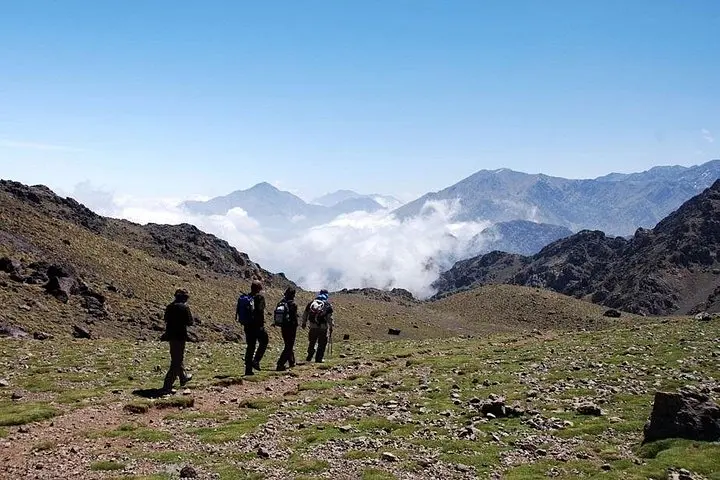
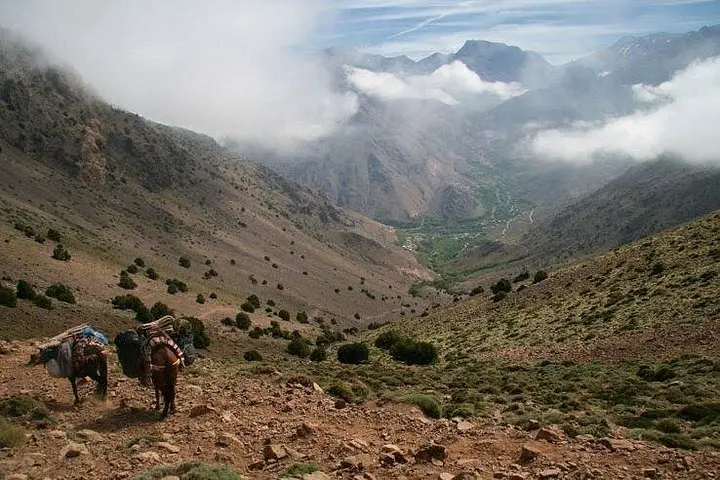
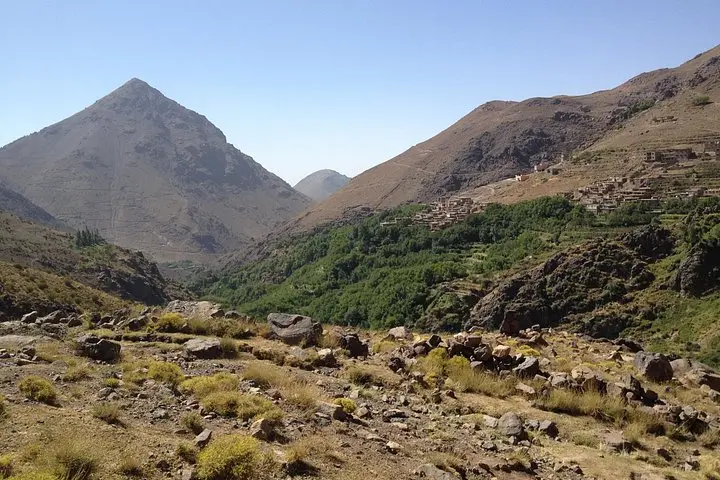
The trail opens with the bustle of Marrakech fading behind you as the road climbs into the cool, fractured light of the Western High Atlas. Stone houses and terraced fields shrink into the valley, and the track narrows to mule steps that rise toward juniper-scented ridges. Rivers push and chatter below; each crossing dares you to slow and listen.
Verified experiences and guided adventures in the surrounding area.
Operated by Morocco Treks and Tours · Imlil, Marrakech-Safi
The trail opens with the bustle of Marrakech fading behind you as the road climbs into the cool, fractured light of the Western High Atlas. Stone houses and terraced fields shrink into the valley, and the track narrows to mule steps that rise toward juniper-scented ridges. Rivers push and chatter below; each crossing dares you to slow and listen.
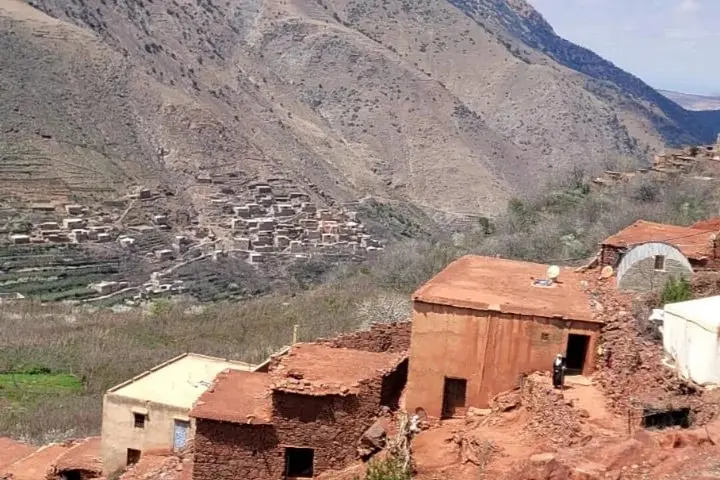
This route threads traditional Berber villages—Imlil, Arghen, M’zzik and Tizi Oussem—places shaped by centuries of terrace agriculture and seasonal shepherding. Geologically the High Atlas is young and uplifted, cliffs and canyons cut by torrents that produce the region’s highest waterfalls; you’ll pass one such fall where snowmelt still thunders in spring.
Culture appears in practical detail: irrigated terraces, stacked stone walls, and the steady clip of mules. Guides and muleteers keep the route moving and local lodgings offer simple, home-cooked meals—an honest exchange between visitor and resident.
Practical guidance: expect steep ascents to the Tiz M’zzik pass at about 2,450 m and rocky descents through juniper forests; trails can be loose and exposed to sun. Carry layered clothing for cold mornings, water for long sections between springs, and sturdy boots with confident footing on scree. The itinerary commonly runs two days with an overnight in Tizi Oussem or a local gîte.
Timing matters: spring delivers high water and wildflowers, summer brings dry heat at lower elevations, and autumn offers crisp air and clear views. Respect grazing livestock, follow your guide on exposed sections, and consider travel insurance for high-altitude trekking.
A moderate level of fitness is recommended—expect sustained uphill sections and uneven terrain with up to 700–900 m of ascent in a day.
Yes—typical itineraries include an overnight in a village gîte or guesthouse such as in Tizi Oussem with basic facilities and home-cooked meals.
Guides and muleteers are usually provided; mules carry luggage and guides manage navigation and local interaction, which is highly recommended.
Snowmelt in spring can make river crossings and waterfalls dramatic but wet; summer is drier and hotter down low; autumn brings stable, clear weather—bad weather may cancel sections for safety.
Morocco Treks and Tours operates guided outdoor trips and adventures with an emphasis on safety, stewardship, and memorable experiences.
The trail opens with the bustle of Marrakech fading behind you as the road climbs into the cool, fractured light of the Western High Atlas. Stone houses and terraced fields shrink into the valley, and the track narrows to mule steps that rise toward juniper-scented ridges. Rivers push and chatter below; each crossing dares you to slow and listen.
The trail opens with the bustle of Marrakech fading behind you as the road climbs into the cool, fractured light of the Western High Atlas. Stone houses and terraced fields shrink into the valley, and the track narrows to mule steps that rise toward juniper-scented ridges. Rivers push and chatter below; each crossing dares you to slow and listen.
This route threads traditional Berber villages—Imlil, Arghen, M’zzik and Tizi Oussem—places shaped by centuries of terrace agriculture and seasonal shepherding. Geologically the High Atlas is young and uplifted, cliffs and canyons cut by torrents that produce the region’s highest waterfalls; you’ll pass one such fall where snowmelt still thunders in spring.
Culture appears in practical detail: irrigated terraces, stacked stone walls, and the steady clip of mules. Guides and muleteers keep the route moving and local lodgings offer simple, home-cooked meals—an honest exchange between visitor and resident.
Practical guidance: expect steep ascents to the Tiz M’zzik pass at about 2,450 m and rocky descents through juniper forests; trails can be loose and exposed to sun. Carry layered clothing for cold mornings, water for long sections between springs, and sturdy boots with confident footing on scree. The itinerary commonly runs two days with an overnight in Tizi Oussem or a local gîte.
Timing matters: spring delivers high water and wildflowers, summer brings dry heat at lower elevations, and autumn offers crisp air and clear views. Respect grazing livestock, follow your guide on exposed sections, and consider travel insurance for high-altitude trekking.