THE ADVENTURE COLLECTIVE® · Independent discovery and booking for outdoor travel

Spend a private day from Marrakech walking between Berber villages, rivers and plateaus in the High Atlas foothills. Personal guides arrange lunch in a village, optional camel rides and introductions to local families for a compact cultural trek.
Spend a private day from Marrakech walking between Berber villages, rivers and plateaus in the High Atlas foothills. Personal guides arrange lunch in a village, optional camel rides and introductions to local families for a compact cultural trek.
You step out of the air-conditioned van and the air changes—cooler, dust-sweet, with the atlas peaks watching like patient giants. Tracks wind between low stone houses and terraced fields; children glance up from herding flocks, and the river threads through the valley, daring you to follow its sound.
Verified experiences and guided adventures in the surrounding area.
Operated by Great Travel Morocco · Marrakech, Marrakech-Safi
You step out of the air-conditioned van and the air changes—cooler, dust-sweet, with the atlas peaks watching like patient giants. Tracks wind between low stone houses and terraced fields; children glance up from herding flocks, and the river threads through the valley, daring you to follow its sound.
This private day trek follows old mule tracks across the High Atlas foothills. Geologically the region sits on folded sedimentary rock that rises toward jagged 4,000‑meter peaks; soils here support cereal plots, almond orchards and riparian gardens fed by the Ourika river. Culturally you’re walking in Berber country: villages are built from local stone and clay, with communal terraces and a pace set by seasonal harvests. A visit to a family home reveals mint tea rituals and handmade carpets; local markets like Asni—if timed right—offer a window into rural trade.
Expect a mix of dirt tracks, short paved stretches and simple village paths, with modest elevation changes across the plateau rather than long sustained climbs. A midday lunch at a village home or a small auberge gives time to swap stories and cool off beneath plane trees. Optional extras—camel rides, lakeside stops at Lalla Takerkoust—add variety without steep technical demands.
Practical edge: start early to avoid afternoon heat, carry at least 1.5–2 liters of water, wear sturdy shoes with ankle support, and bring layers—mornings can be crisp. Respect private homes, ask before photographing people, and leave no trace: this landscape sustains small communities and benefits from low-impact visits.
Pickup is typically from your Marrakech riad or hotel; drivers usually allocate about 15 minutes for pickups across the city.
The route is moderate: short up-and-down sections and walking between villages; no technical climbing is required but you should be comfortable on uneven ground.
Yes—lunch in a village home or local auberge is included and often features tagine and seasonal salads; notify guides of dietary needs in advance.
A camel ride is optional on some itineraries and usually offered at a separate cost or as a brief add-on during stops.
Great Travel Morocco operates guided outdoor trips and adventures with an emphasis on safety, stewardship, and memorable experiences.
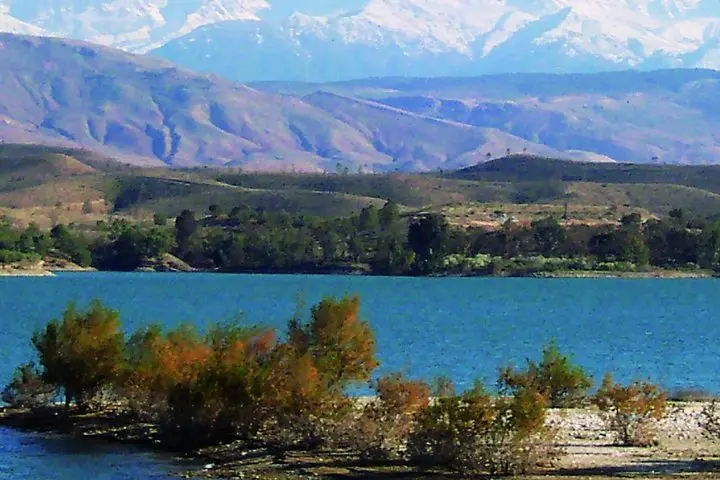
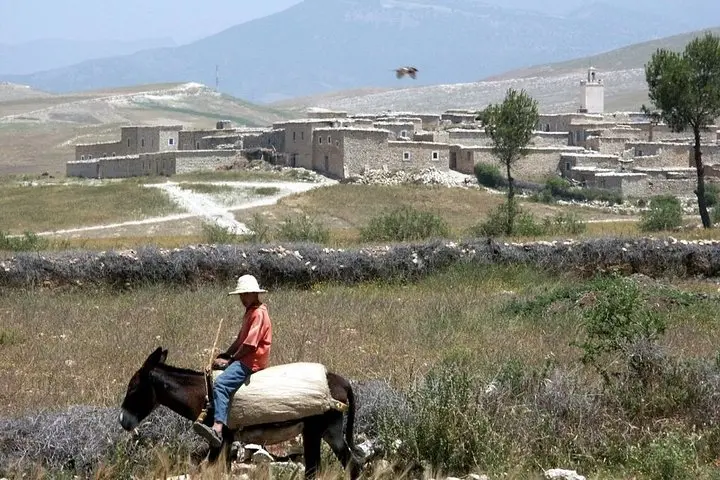
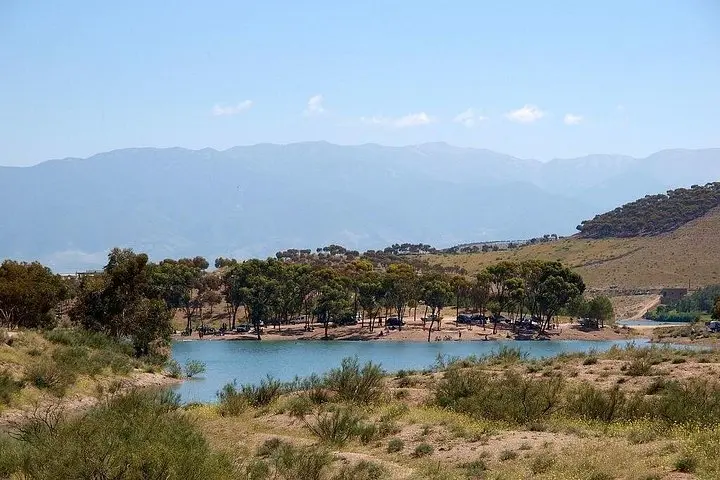
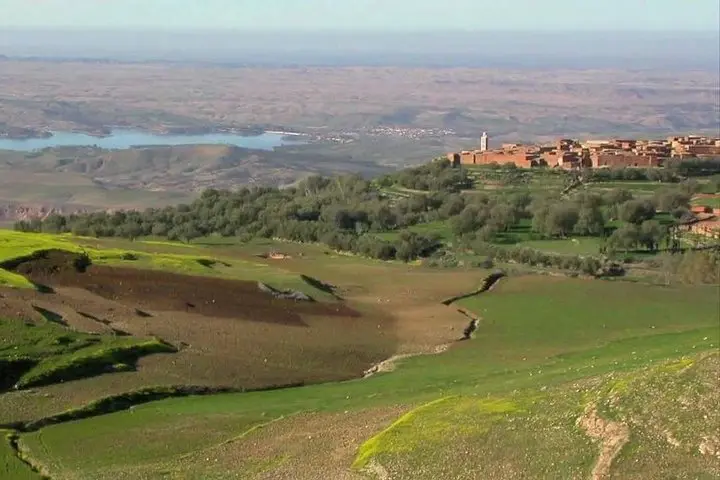
You step out of the air-conditioned van and the air changes—cooler, dust-sweet, with the atlas peaks watching like patient giants. Tracks wind between low stone houses and terraced fields; children glance up from herding flocks, and the river threads through the valley, daring you to follow its sound.
You step out of the air-conditioned van and the air changes—cooler, dust-sweet, with the atlas peaks watching like patient giants. Tracks wind between low stone houses and terraced fields; children glance up from herding flocks, and the river threads through the valley, daring you to follow its sound.
This private day trek follows old mule tracks across the High Atlas foothills. Geologically the region sits on folded sedimentary rock that rises toward jagged 4,000‑meter peaks; soils here support cereal plots, almond orchards and riparian gardens fed by the Ourika river. Culturally you’re walking in Berber country: villages are built from local stone and clay, with communal terraces and a pace set by seasonal harvests. A visit to a family home reveals mint tea rituals and handmade carpets; local markets like Asni—if timed right—offer a window into rural trade.
Expect a mix of dirt tracks, short paved stretches and simple village paths, with modest elevation changes across the plateau rather than long sustained climbs. A midday lunch at a village home or a small auberge gives time to swap stories and cool off beneath plane trees. Optional extras—camel rides, lakeside stops at Lalla Takerkoust—add variety without steep technical demands.
Practical edge: start early to avoid afternoon heat, carry at least 1.5–2 liters of water, wear sturdy shoes with ankle support, and bring layers—mornings can be crisp. Respect private homes, ask before photographing people, and leave no trace: this landscape sustains small communities and benefits from low-impact visits.