THE ADVENTURE COLLECTIVE® · Independent discovery and booking for outdoor travel

Spend a half-day from Peniche exploring Berlenga Grande by catamaran: short coastal hikes, a 17th-century fortress, and included snorkeling in a UNESCO Biosphere Reserve. Practical guidance on timing, footwear, and marine rules sets you up for a smooth trip.
Spend a half-day from Peniche exploring Berlenga Grande by catamaran: short coastal hikes, a 17th-century fortress, and included snorkeling in a UNESCO Biosphere Reserve. Practical guidance on timing, footwear, and marine rules sets you up for a smooth trip.
The catamaran slips out of Peniche at dawn and the Atlantic opens like a living map: wind-driven ripples push the hull toward a cluster of granite and limestone that rises from deep blue. On Berlenga Grande, gulls wheel and the fortress walls of Forte de São João Batista loom, weathered but proud, as currents dare you closer to kelp beds and hidden coves.
Verified experiences and guided adventures in the surrounding area.
Operated by Odisseia Viva · Peniche, Leiria
The catamaran slips out of Peniche at dawn and the Atlantic opens like a living map: wind-driven ripples push the hull toward a cluster of granite and limestone that rises from deep blue. On Berlenga Grande, gulls wheel and the fortress walls of Forte de São João Batista loom, weathered but proud, as currents dare you closer to kelp beds and hidden coves.
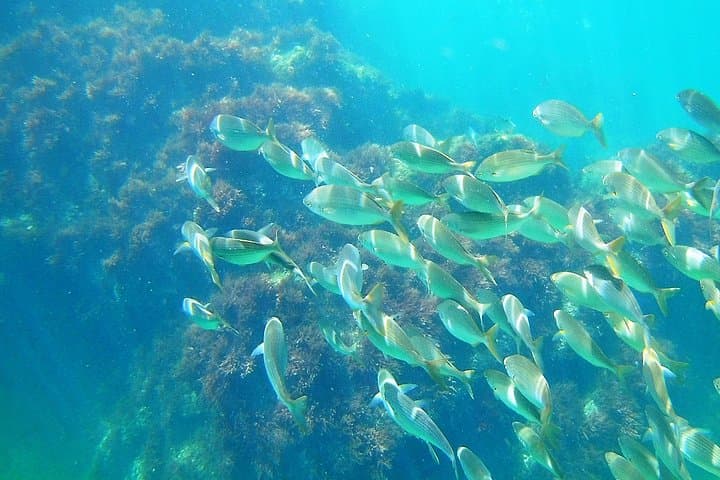
The Berlengas archipelago sits about 9 km off Peniche and has been a maritime refuge and hazard for centuries; the 17th-century fortress guarded pilgrims and traders while the volcanic and sedimentary rock creates sea-sculpted cliffs and narrow caves. UNESCO designated the islands a Biosphere Reserve for their seabird colonies and rich marine life — expect busy cormorants and patches of Posidonia seagrass that shelter fish.
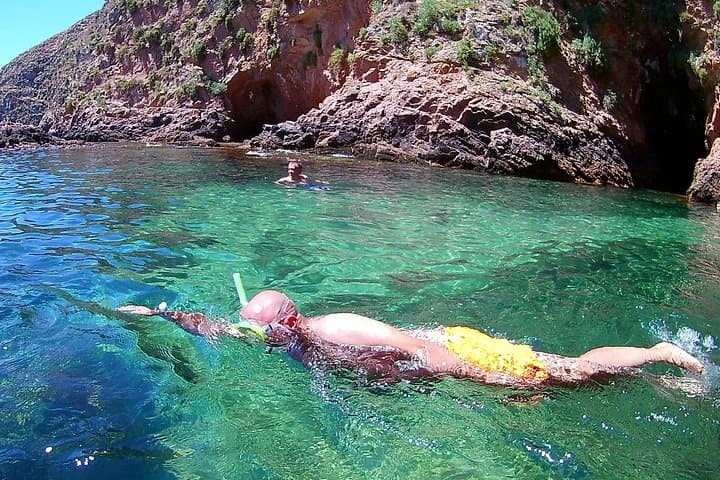
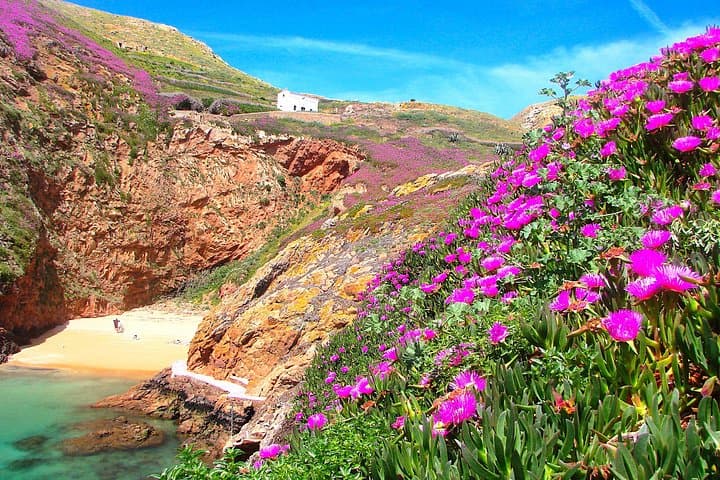
Hike compact trails that loop from the pier to the fort; elevation is modest but footing is rocky and exposed to wind. Snorkeling takes place in sheltered bays where visibility is often good and marine life is curious rather than shy.
Practical tips: leave early to beat heat and afternoon swells, use a stable pair of water shoes for the rocky landings, and bring a dry bag for electronics. The operator provides mask and fins; strong swimmers who are comfortable in open water will get the most from the marine sections. Respect signage — drones are banned and the reserve rules protect nesting birds and fragile algae beds. With a sensible kit and an eye on conditions, this half-day catamaran trip delivers coastal drama, a short hike with history, and accessible snorkeling in one balanced outing.
Expect roughly 30–45 minutes each way depending on sea conditions—operators may adjust timing for safety.
Yes, mask and fins are included; bring your own snorkel if you prefer or want a personal fit.
Non-swimmers can join the trip and explore the island, but snorkeling requires basic swimming comfort and is at participants’ own risk.
No — the Berlengas are protected and drones are prohibited to avoid disturbing nesting seabirds and protected habitats.
Odisseia Viva operates guided outdoor trips and adventures with an emphasis on safety, stewardship, and memorable experiences.
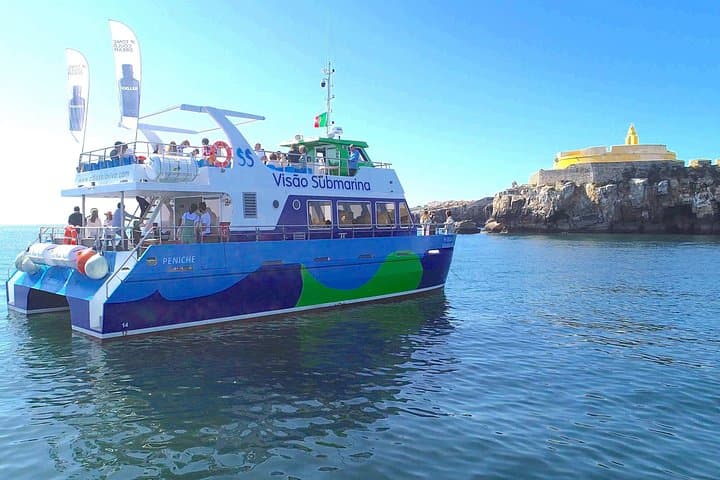
The catamaran slips out of Peniche at dawn and the Atlantic opens like a living map: wind-driven ripples push the hull toward a cluster of granite and limestone that rises from deep blue. On Berlenga Grande, gulls wheel and the fortress walls of Forte de São João Batista loom, weathered but proud, as currents dare you closer to kelp beds and hidden coves.
The catamaran slips out of Peniche at dawn and the Atlantic opens like a living map: wind-driven ripples push the hull toward a cluster of granite and limestone that rises from deep blue. On Berlenga Grande, gulls wheel and the fortress walls of Forte de São João Batista loom, weathered but proud, as currents dare you closer to kelp beds and hidden coves.
The Berlengas archipelago sits about 9 km off Peniche and has been a maritime refuge and hazard for centuries; the 17th-century fortress guarded pilgrims and traders while the volcanic and sedimentary rock creates sea-sculpted cliffs and narrow caves. UNESCO designated the islands a Biosphere Reserve for their seabird colonies and rich marine life — expect busy cormorants and patches of Posidonia seagrass that shelter fish.
Hike compact trails that loop from the pier to the fort; elevation is modest but footing is rocky and exposed to wind. Snorkeling takes place in sheltered bays where visibility is often good and marine life is curious rather than shy.
Practical tips: leave early to beat heat and afternoon swells, use a stable pair of water shoes for the rocky landings, and bring a dry bag for electronics. The operator provides mask and fins; strong swimmers who are comfortable in open water will get the most from the marine sections. Respect signage — drones are banned and the reserve rules protect nesting birds and fragile algae beds. With a sensible kit and an eye on conditions, this half-day catamaran trip delivers coastal drama, a short hike with history, and accessible snorkeling in one balanced outing.