THE ADVENTURE COLLECTIVE® · Independent discovery and booking for outdoor travel
Explore central Berlin on a spirited 2¾-hour guided walk from Alexanderplatz to the Brandenburg Gate. Expect history-rich stops — Museum Island, Humboldt University, Cold War sites — combined with practical tips for getting the most from the route.
Explore central Berlin on a spirited 2¾-hour guided walk from Alexanderplatz to the Brandenburg Gate. Expect history-rich stops — Museum Island, Humboldt University, Cold War sites — combined with practical tips for getting the most from the route.
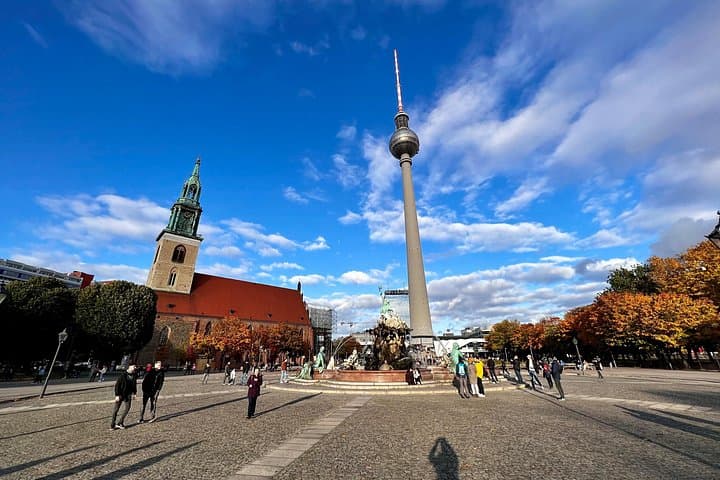
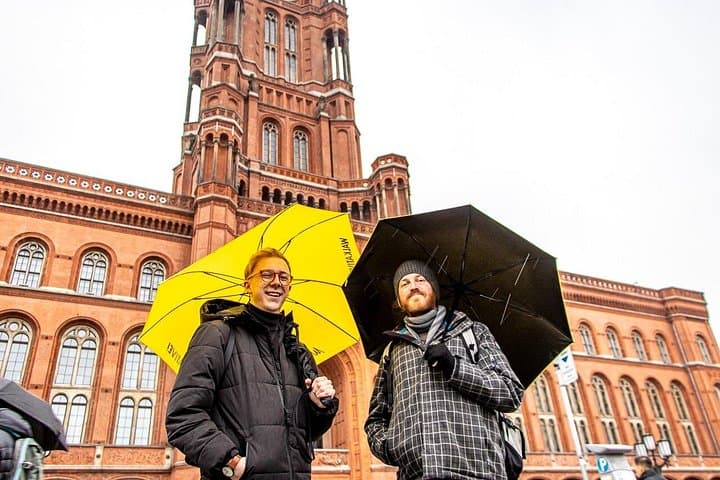
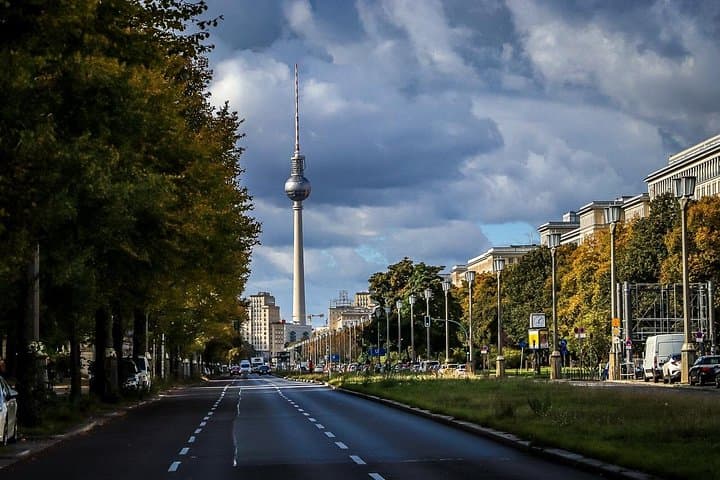
You meet the group in front of the Rotes Rathaus as trams clack and the TV Tower slices the sky — the city feels lived-in, open, and opinionated. The guide steers you through wide avenues and compact cobblestone squares, narrating chapters of Berlin’s life as the Spree quietly pushes the city’s story along. Buildings lean in with architectural lines that mark eras: imperial stone, austere postwar facades, and glassy contemporary statements.
Verified experiences and guided adventures in the surrounding area.
Operated by Walkative! TOUR · Berlin, Berlin
You meet the group in front of the Rotes Rathaus as trams clack and the TV Tower slices the sky — the city feels lived-in, open, and opinionated. The guide steers you through wide avenues and compact cobblestone squares, narrating chapters of Berlin’s life as the Spree quietly pushes the city’s story along. Buildings lean in with architectural lines that mark eras: imperial stone, austere postwar facades, and glassy contemporary statements.
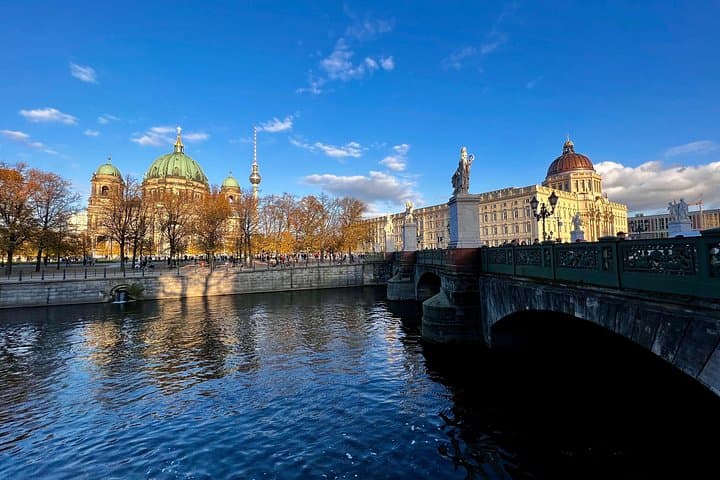
This route threads Alexanderplatz, Museum Island, Humboldt University, and finishes at the Brandenburg Gate. Historically, these places map Prussia’s rise, the devastation of World War II, the literal and ideological fracture of the Cold War, then reunification. Geologically, Berlin sits on a glacial plain — low-lying, sandy soils shaped by retreating ice and the meandering Spree — which is why wide boulevards and canals dominate the cityscape. Culturally, expect a mix of memorials, restored baroque squares, and neighborhoods where street life and public transport run the rhythm.
Practical guidance: the tour is about 2¾ hours on foot with short stops for interpretation and photos. Bring comfortable shoes and a lightweight layer; weather changes quickly in this part of northern Europe. Public transit access is excellent — arrive by S-Bahn or tram. The tour operates as a pay-as-you-wish walk, so have small notes or cards ready for tipping if you enjoyed the guide. Mobility access is generally good in central areas, but some cobbles and tram tracks require care. Hydrate, wear sensible footwear, and allow extra time after the tour to explore Museum Island or a nearby café.
Meet in front of the Rotes Rathaus (Red Town Hall) at Alexanderplatz; your guide will be identifiable and the location is served by S-Bahn and tram.
This tour is typically led in English by a local guide; check booking details for language confirmations or private options.
Central sections are wheelchair accessible, but some cobbled streets may be uneven; contact the operator ahead to discuss specific access needs.
The booking covers the reservation fee; at the end guests choose how much to tip the guide based on their experience — bring small notes or use card where available.
Walkative! TOUR operates guided outdoor trips and adventures with an emphasis on safety, stewardship, and memorable experiences.
You meet the group in front of the Rotes Rathaus as trams clack and the TV Tower slices the sky — the city feels lived-in, open, and opinionated. The guide steers you through wide avenues and compact cobblestone squares, narrating chapters of Berlin’s life as the Spree quietly pushes the city’s story along. Buildings lean in with architectural lines that mark eras: imperial stone, austere postwar facades, and glassy contemporary statements.
You meet the group in front of the Rotes Rathaus as trams clack and the TV Tower slices the sky — the city feels lived-in, open, and opinionated. The guide steers you through wide avenues and compact cobblestone squares, narrating chapters of Berlin’s life as the Spree quietly pushes the city’s story along. Buildings lean in with architectural lines that mark eras: imperial stone, austere postwar facades, and glassy contemporary statements.
This route threads Alexanderplatz, Museum Island, Humboldt University, and finishes at the Brandenburg Gate. Historically, these places map Prussia’s rise, the devastation of World War II, the literal and ideological fracture of the Cold War, then reunification. Geologically, Berlin sits on a glacial plain — low-lying, sandy soils shaped by retreating ice and the meandering Spree — which is why wide boulevards and canals dominate the cityscape. Culturally, expect a mix of memorials, restored baroque squares, and neighborhoods where street life and public transport run the rhythm.
Practical guidance: the tour is about 2¾ hours on foot with short stops for interpretation and photos. Bring comfortable shoes and a lightweight layer; weather changes quickly in this part of northern Europe. Public transit access is excellent — arrive by S-Bahn or tram. The tour operates as a pay-as-you-wish walk, so have small notes or cards ready for tipping if you enjoyed the guide. Mobility access is generally good in central areas, but some cobbles and tram tracks require care. Hydrate, wear sensible footwear, and allow extra time after the tour to explore Museum Island or a nearby café.
