THE ADVENTURE COLLECTIVE® · Independent discovery and booking for outdoor travel

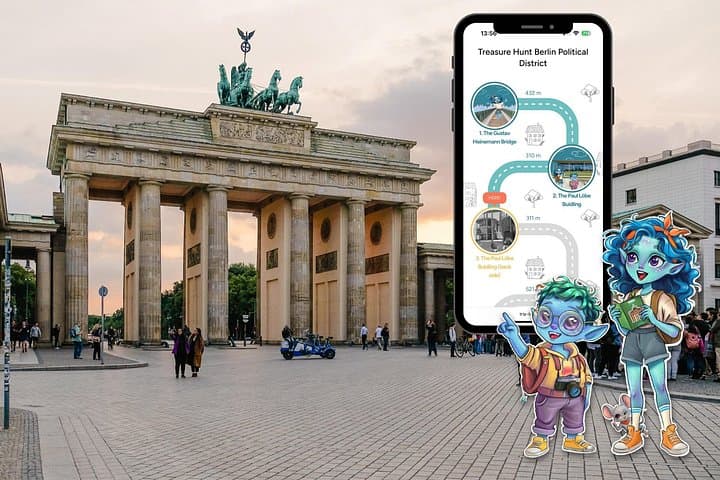
Turn central Berlin into a 2.5 km family adventure: a self-guided treasure hunt that connects the TV Tower, Museum Island, Reichstag, and Brandenburg Gate through 12 illustrated stations and audio narrations. Ideal for curious children aged 5–12 and adults who want a paced, educational stroll.
Turn central Berlin into a 2.5 km family adventure: a self-guided treasure hunt that connects the TV Tower, Museum Island, Reichstag, and Brandenburg Gate through 12 illustrated stations and audio narrations. Ideal for curious children aged 5–12 and adults who want a paced, educational stroll.
You set off from Alexanderplatz with the TV Tower looming above like a clockwork guardian; the city hums, trams click by, and curious hands tug toward the first clue.
Verified experiences and guided adventures in the surrounding area.
Operated by TripLeap Schnitzeljagden · Berlin, Berlin
You set off from Alexanderplatz with the TV Tower looming above like a clockwork guardian; the city hums, trams click by, and curious hands tug toward the first clue.
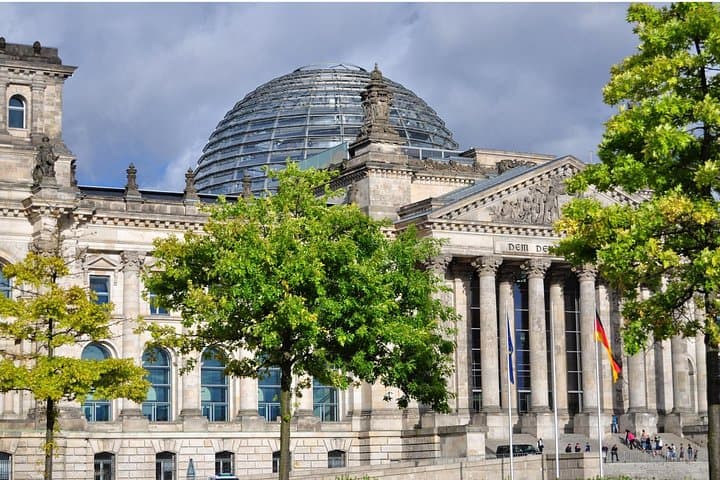
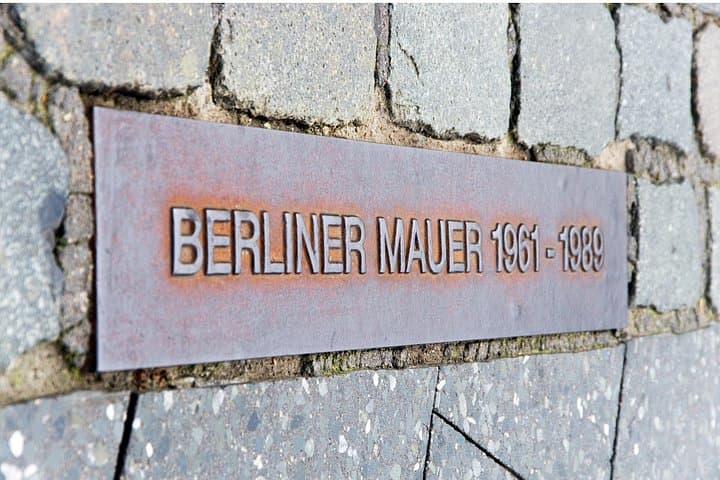
This compact 2.5 km route threads through Berlin’s political core: Hackescher Markt’s courtyards, the museum-lined sweep of Museum Island, the reconstructed façades of the Humboldt Forum, and the imposing open planes around the Reichstag and Brandenburg Gate. Along the way children encounter 12 illustrated stations—on average 220 m apart—each pairing a simple riddle with a short audio narration to explain a piece of Berlin’s political history: the rise and fall of the Wall, the architecture of power, and the memorials that mark difficult chapters.
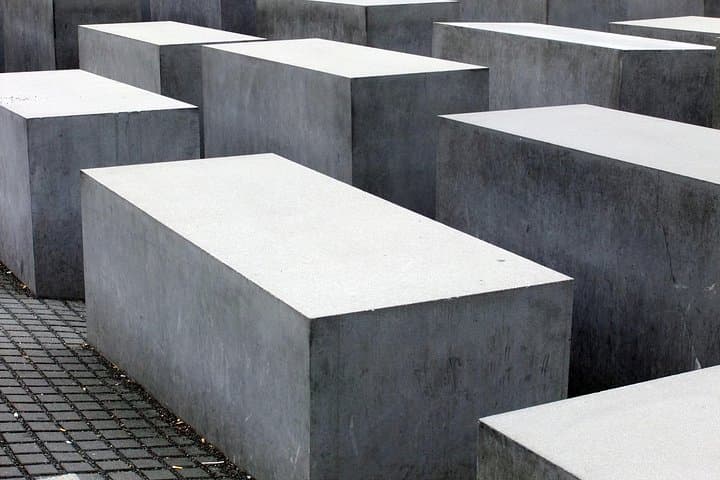
The geology is urban—paved boulevards, cobbled courts and riverbanks where the Spree nudges Museum Island—yet civic memory is the true terrain. Expect architectural contrasts from baroque to modern glass, public art, and the quiet gravity of the Holocaust Memorial.
Practical guidance: plan 2–3 hours including stops and a snack break; the route is stroller- and wheelchair-accessible in most sections, and public transit makes single-point starts and finishes simple. Bring a charged smartphone (maps + audio), comfortable walking shoes, water, and light weather layers. Keep conversations low at memorials, supervise children at busy crossings, and use the hunt as a way to introduce civic history—curiosity is the map and respectful attention the compass.
Yes—most streets and major stops are accessible; some older cobbles may be bumpy, but the itinerary notes indicate general accessibility and public transport options nearby.
Plan for 2 to 3 hours depending on how often you pause for clues, snacks, or museum detours.
This is a self-guided walking treasure hunt with instant confirmation—start whenever convenient within your booking window.
Yes—materials include illustrations and audio narration designed for children; check language availability before booking if you need English audio.
TripLeap Schnitzeljagden operates guided outdoor trips and adventures with an emphasis on safety, stewardship, and memorable experiences.
You set off from Alexanderplatz with the TV Tower looming above like a clockwork guardian; the city hums, trams click by, and curious hands tug toward the first clue.
You set off from Alexanderplatz with the TV Tower looming above like a clockwork guardian; the city hums, trams click by, and curious hands tug toward the first clue.
This compact 2.5 km route threads through Berlin’s political core: Hackescher Markt’s courtyards, the museum-lined sweep of Museum Island, the reconstructed façades of the Humboldt Forum, and the imposing open planes around the Reichstag and Brandenburg Gate. Along the way children encounter 12 illustrated stations—on average 220 m apart—each pairing a simple riddle with a short audio narration to explain a piece of Berlin’s political history: the rise and fall of the Wall, the architecture of power, and the memorials that mark difficult chapters.
The geology is urban—paved boulevards, cobbled courts and riverbanks where the Spree nudges Museum Island—yet civic memory is the true terrain. Expect architectural contrasts from baroque to modern glass, public art, and the quiet gravity of the Holocaust Memorial.
Practical guidance: plan 2–3 hours including stops and a snack break; the route is stroller- and wheelchair-accessible in most sections, and public transit makes single-point starts and finishes simple. Bring a charged smartphone (maps + audio), comfortable walking shoes, water, and light weather layers. Keep conversations low at memorials, supervise children at busy crossings, and use the hunt as a way to introduce civic history—curiosity is the map and respectful attention the compass.