THE ADVENTURE COLLECTIVE® · Independent discovery and booking for outdoor travel

Spend four hours exploring Bermuda’s pink beaches, Gibbs Hill Lighthouse views, and local life. This guided island tour blends geology, maritime history, and accessible walks for a clear snapshot of the island.
Spend four hours exploring Bermuda’s pink beaches, Gibbs Hill Lighthouse views, and local life. This guided island tour blends geology, maritime history, and accessible walks for a clear snapshot of the island.
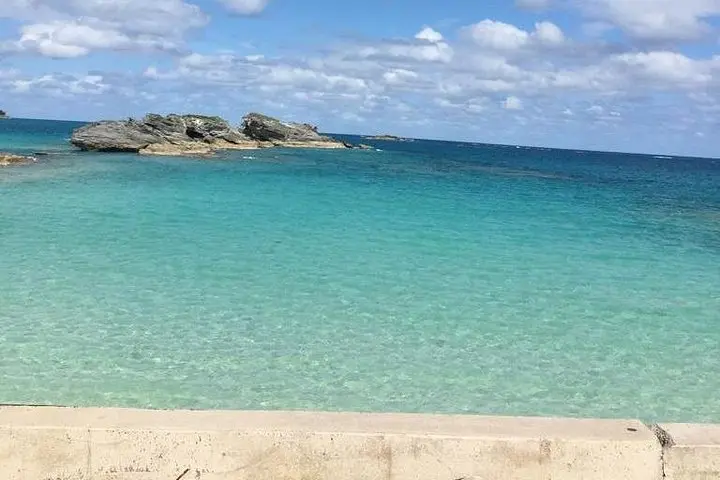
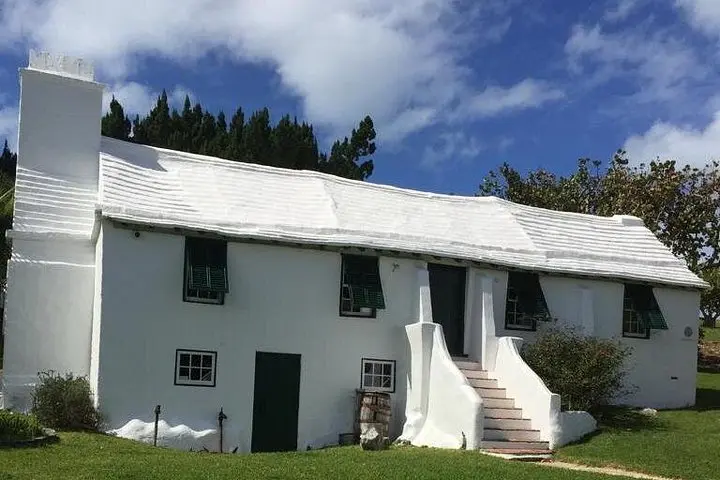
The tour begins with the sea at the edges of view — wind on your face, salt in the air, and the island’s low, pastel roofs sliding by as the guide points out the smallest working drawbridge in the world where eager hands can feed fish below.
Verified experiences and guided adventures in the surrounding area.
Operated by Bermuda Explorer · Hamilton, Bermuda
The tour begins with the sea at the edges of view — wind on your face, salt in the air, and the island’s low, pastel roofs sliding by as the guide points out the smallest working drawbridge in the world where eager hands can feed fish below.
Bermuda wears its history openly: 17th‑century shipbuilding, Royal Navy fortifications, and a maritime culture that shaped settlements like St. George’s. Geologically, the island is a limestone cap atop an ancient volcanic base; the shores you’ll walk are calcium carbonate beaches that weather into the famous pink sand. Culture here is compact and social — towns centre on pubs, parish churches, and community gardens that reflect a blend of British and island traditions.
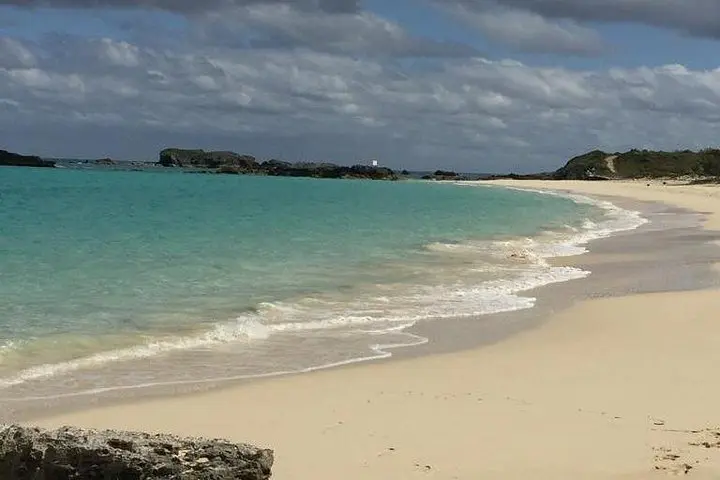
The itinerary moves up to Gibbs Hill Lighthouse for wide Atlantic perspectives, then drops you to a ribbon of pink sand where waves dare you closer. Along the route, guides point out local practices — how Bermudians protect reefs, where to find quieter coves, and why certain coves are off‑limits for nesting birds.
Practical guidance: the tour is four hours and mostly easy walking on paved roads and short beach approaches. Wear sturdy walking shoes and sun protection; bring a refillable water bottle and a small towel if you plan to step into the shallows. Cameras with polarization filters help render the water’s clarity.
This outing suits travelers who want a compact, informative snapshot of Bermuda — natural viewpoints, cultural context, and time to stand where land meets a very particular Atlantic light.
The tour lasts about four hours, includes live commentary from a guide, and covers key sights like Gibbs Hill Lighthouse and pink sand beaches; admissions are not applicable.
The route includes paved roads and some stairs at viewpoints; travelers with significant mobility restrictions should check specifics with the operator before booking.
Tours are subject to cancellation for bad weather; the operator’s policy states all sales are final, so check conditions and insurance options prior to booking.
Some beach stops permit swimming when conditions are safe; the guide may demonstrate fish feeding near small bridges—follow instructions for safety and conservation.
Bermuda Explorer operates guided outdoor trips and adventures with an emphasis on safety, stewardship, and memorable experiences.
The tour begins with the sea at the edges of view — wind on your face, salt in the air, and the island’s low, pastel roofs sliding by as the guide points out the smallest working drawbridge in the world where eager hands can feed fish below.
The tour begins with the sea at the edges of view — wind on your face, salt in the air, and the island’s low, pastel roofs sliding by as the guide points out the smallest working drawbridge in the world where eager hands can feed fish below.
Bermuda wears its history openly: 17th‑century shipbuilding, Royal Navy fortifications, and a maritime culture that shaped settlements like St. George’s. Geologically, the island is a limestone cap atop an ancient volcanic base; the shores you’ll walk are calcium carbonate beaches that weather into the famous pink sand. Culture here is compact and social — towns centre on pubs, parish churches, and community gardens that reflect a blend of British and island traditions.
The itinerary moves up to Gibbs Hill Lighthouse for wide Atlantic perspectives, then drops you to a ribbon of pink sand where waves dare you closer. Along the route, guides point out local practices — how Bermudians protect reefs, where to find quieter coves, and why certain coves are off‑limits for nesting birds.
Practical guidance: the tour is four hours and mostly easy walking on paved roads and short beach approaches. Wear sturdy walking shoes and sun protection; bring a refillable water bottle and a small towel if you plan to step into the shallows. Cameras with polarization filters help render the water’s clarity.
This outing suits travelers who want a compact, informative snapshot of Bermuda — natural viewpoints, cultural context, and time to stand where land meets a very particular Atlantic light.