THE ADVENTURE COLLECTIVE® · Independent discovery and booking for outdoor travel

Walk historic railway corridors, tribe roads and coastal paths with a local guide on a three-hour tour that mixes geology, birdlife and pink-sand beaches. Learn the island’s natural and cultural story while exploring quieter corners most visitors miss.
Walk historic railway corridors, tribe roads and coastal paths with a local guide on a three-hour tour that mixes geology, birdlife and pink-sand beaches. Learn the island’s natural and cultural story while exploring quieter corners most visitors miss.
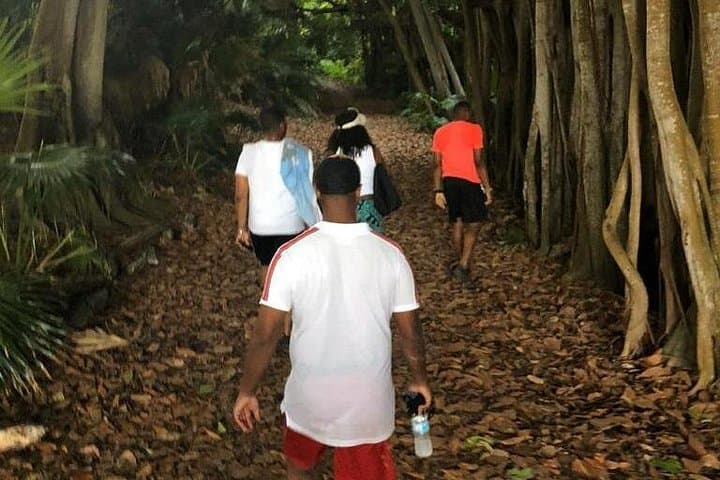
The walk begins where the island’s old iron rails give way to a shaded footpath and the Atlantic insists on showing up in every view. As the group moves through hedgerows and pastel neighborhoods, limestone cliffs rise and the ocean breathes against pink-sand coves, daring you to pause and look closer.
Verified experiences and guided adventures in the surrounding area.
Operated by Bermuda Explorer · Hamilton, Bermuda
The walk begins where the island’s old iron rails give way to a shaded footpath and the Atlantic insists on showing up in every view. As the group moves through hedgerows and pastel neighborhoods, limestone cliffs rise and the ocean breathes against pink-sand coves, daring you to pause and look closer.
This route follows sections of the Bermuda Railway, a short-lived 20th-century line that ran from St. George’s to Somerset before being decommissioned in 1948; today those corridors stitch together trails, “tribe roads” and secret lanes. Geologically, Bermuda is a coral limestone island—you’ll notice fossilized reef, karst bluffs and crevices that shape small sheltered beaches. Culturally, the trail threads residential backstreets where Bermudians wave from verandas and gardens showcase endemic flora like palmettos and cedars.
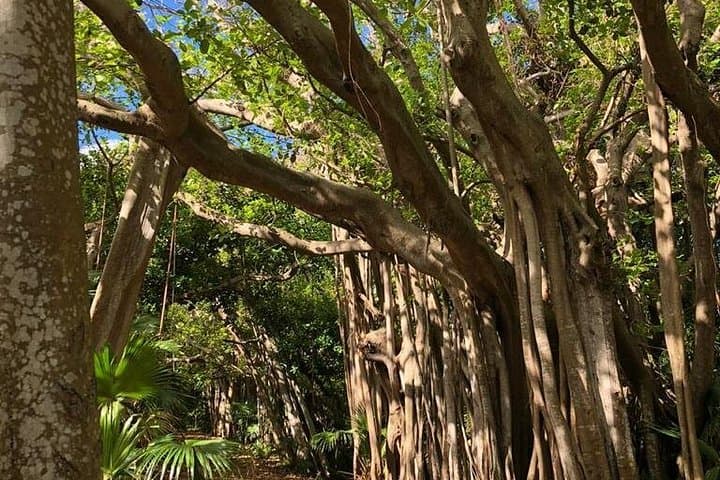
Local guides point out longtail seabirds and tucked-away coves few visitors find. The walk spends time inside a 38-acre estate of mature trees and through a nature reserve where shorelines and cliffs host marine life in the shallows.
Practical guidance: this is a three-hour, moderate walk with uneven limestone surfaces, short stair sections and some exposed coastal stretches. Wear sturdy, closed-toe footwear, sun protection and bring at least 1–1.5 liters of water. Expect camera stops and short interpretive pauses—groups are small, and the guide handles route navigation. Check weather; trail sections can be slippery after rain. With a local guide, the route rewards steady pacing with quiet beaches, bright birds and a clear sense of how Bermuda’s landscape and community connect.
The guided walk is three hours long with frequent stops for interpretation and photos; expect a steady, moderate pace suitable for most walkers.
Yes—this tour requires a minimum booking of two people; check the operator’s schedule for available departure times.
Basic restroom facilities are available near trailheads or in nearby towns; bring snacks as formal food stops are not included during the three-hour walk.
Children and older adults can join if they have moderate mobility; participants should be comfortable walking for up to three hours on uneven terrain.
Bermuda Explorer operates guided outdoor trips and adventures with an emphasis on safety, stewardship, and memorable experiences.
The walk begins where the island’s old iron rails give way to a shaded footpath and the Atlantic insists on showing up in every view. As the group moves through hedgerows and pastel neighborhoods, limestone cliffs rise and the ocean breathes against pink-sand coves, daring you to pause and look closer.
The walk begins where the island’s old iron rails give way to a shaded footpath and the Atlantic insists on showing up in every view. As the group moves through hedgerows and pastel neighborhoods, limestone cliffs rise and the ocean breathes against pink-sand coves, daring you to pause and look closer.
This route follows sections of the Bermuda Railway, a short-lived 20th-century line that ran from St. George’s to Somerset before being decommissioned in 1948; today those corridors stitch together trails, “tribe roads” and secret lanes. Geologically, Bermuda is a coral limestone island—you’ll notice fossilized reef, karst bluffs and crevices that shape small sheltered beaches. Culturally, the trail threads residential backstreets where Bermudians wave from verandas and gardens showcase endemic flora like palmettos and cedars.
Local guides point out longtail seabirds and tucked-away coves few visitors find. The walk spends time inside a 38-acre estate of mature trees and through a nature reserve where shorelines and cliffs host marine life in the shallows.
Practical guidance: this is a three-hour, moderate walk with uneven limestone surfaces, short stair sections and some exposed coastal stretches. Wear sturdy, closed-toe footwear, sun protection and bring at least 1–1.5 liters of water. Expect camera stops and short interpretive pauses—groups are small, and the guide handles route navigation. Check weather; trail sections can be slippery after rain. With a local guide, the route rewards steady pacing with quiet beaches, bright birds and a clear sense of how Bermuda’s landscape and community connect.