THE ADVENTURE COLLECTIVE® · Independent discovery and booking for outdoor travel

A full‑day private drive from Zurich through Brunig Pass to the Bernese Oberland — see the Aare Gorge, Giessbach Falls, Lake Brienz, Lauterbrunnen and Trümmelbach Falls in a single, well‑paced itinerary. Ideal for travelers seeking dramatic waterfalls and alpine vistas without serious hiking.
A full‑day private drive from Zurich through Brunig Pass to the Bernese Oberland — see the Aare Gorge, Giessbach Falls, Lake Brienz, Lauterbrunnen and Trümmelbach Falls in a single, well‑paced itinerary. Ideal for travelers seeking dramatic waterfalls and alpine vistas without serious hiking.
You slide away from Zurich traffic as the van climbs toward Brunig Pass, the low sun lacquering the valley lakes. By midmorning Lungernsee glints below and the road winds higher into the Bernese Oberland where cliffs, falls and pale glacier-fed waters set the pace of the day.
Verified experiences and guided adventures in the surrounding area.
Operated by Typically Swiss Tours · Interlaken, Bern
You slide away from Zurich traffic as the van climbs toward Brunig Pass, the low sun lacquering the valley lakes. By midmorning Lungernsee glints below and the road winds higher into the Bernese Oberland where cliffs, falls and pale glacier-fed waters set the pace of the day.
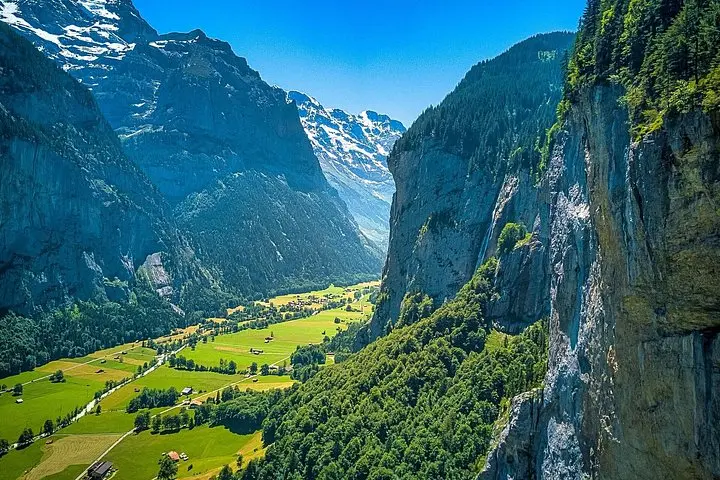
This loop stitches together geological time and 19th‑century alpine tourism: the Aare Gorge was cut as the last ice retreated, leaving a milky river running through a 1,400‑metre slot; the Giessbach hotel, more than 150 years old, overlooks Lake Brienz and speaks to the region’s steamship-and‑hotel age. Lauterbrunnen’s U‑shaped valley was carved by glaciers; its perpendicular cliffs feed Staubbach Falls, a 300‑metre plume that changes with each wind. Trümmelbach funnels high‑energy runoff through tunnels inside the mountain — an engineering and erosional spectacle.
Culturally, Brienz preserves woodcarving traditions along the Brunngasse and small lakeside villages keep a low, working rhythm beside tourist flows.
Practical guidance: expect frequent short walks on uneven, sometimes wet paths—good footwear is nonnegotiable. Bring some Swiss francs for small admissions (Aare Gorge, Trümmelbach). Weather turns quickly at altitude; layer and carry a waterproof shell. Timing matters: the earliest departures avoid late‑afternoon visitor clusters in Interlaken and Lauterbrunnen. The day mixes easy strolls with viewpoint stops rather than sustained hiking, so it suits travelers who want scenic variety without technical exertion.
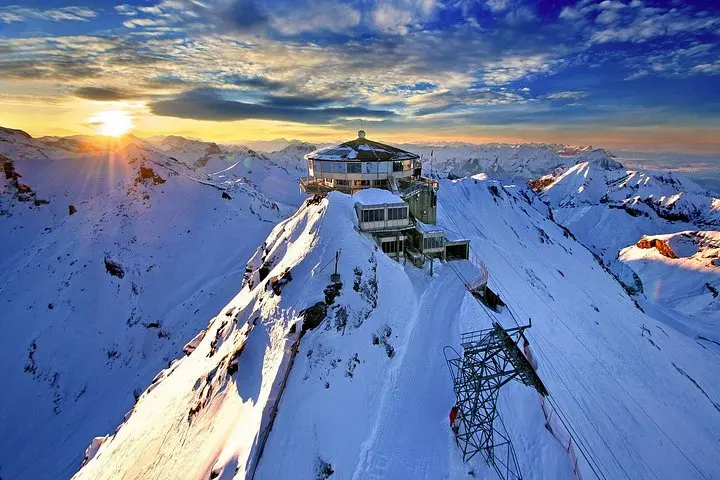
If you want a quieter visit, ask to linger at Giessbach or ride the Sulwald cable car above Isenfluh for extended alpine views of the Eiger, Mönch and Jungfrau.
Departures are from Zurich with return to the same area; exact pickup details are provided at booking.
No—small admissions for attractions like Aare Gorge (approx. 6 CHF) and Trümmelbach (approx. 11 CHF) are usually paid on site.
The day includes several short walks and steps; it’s not recommended for guests with severe spinal or mobility restrictions—check accessibility for specific sites in advance.
Yes—there is typically a boat segment included at Brienz, though exact routing can vary with scheduling and weather.
Typically Swiss Tours operates guided outdoor trips and adventures with an emphasis on safety, stewardship, and memorable experiences.
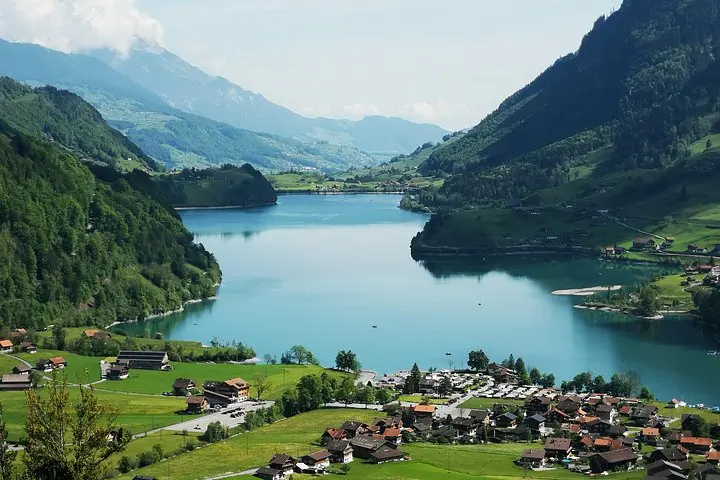

You slide away from Zurich traffic as the van climbs toward Brunig Pass, the low sun lacquering the valley lakes. By midmorning Lungernsee glints below and the road winds higher into the Bernese Oberland where cliffs, falls and pale glacier-fed waters set the pace of the day.
You slide away from Zurich traffic as the van climbs toward Brunig Pass, the low sun lacquering the valley lakes. By midmorning Lungernsee glints below and the road winds higher into the Bernese Oberland where cliffs, falls and pale glacier-fed waters set the pace of the day.
This loop stitches together geological time and 19th‑century alpine tourism: the Aare Gorge was cut as the last ice retreated, leaving a milky river running through a 1,400‑metre slot; the Giessbach hotel, more than 150 years old, overlooks Lake Brienz and speaks to the region’s steamship-and‑hotel age. Lauterbrunnen’s U‑shaped valley was carved by glaciers; its perpendicular cliffs feed Staubbach Falls, a 300‑metre plume that changes with each wind. Trümmelbach funnels high‑energy runoff through tunnels inside the mountain — an engineering and erosional spectacle.
Culturally, Brienz preserves woodcarving traditions along the Brunngasse and small lakeside villages keep a low, working rhythm beside tourist flows.
Practical guidance: expect frequent short walks on uneven, sometimes wet paths—good footwear is nonnegotiable. Bring some Swiss francs for small admissions (Aare Gorge, Trümmelbach). Weather turns quickly at altitude; layer and carry a waterproof shell. Timing matters: the earliest departures avoid late‑afternoon visitor clusters in Interlaken and Lauterbrunnen. The day mixes easy strolls with viewpoint stops rather than sustained hiking, so it suits travelers who want scenic variety without technical exertion.
If you want a quieter visit, ask to linger at Giessbach or ride the Sulwald cable car above Isenfluh for extended alpine views of the Eiger, Mönch and Jungfrau.