THE ADVENTURE COLLECTIVE® · Independent discovery and booking for outdoor travel

Ride the UNESCO-listed Bernina line from Milan to St. Moritz for a compact day of alpine engineering, glaciers, and high-altitude culture. This 12–13 hour trip pairs panoramic rail views with time to explore St. Moritz and taste Valtellina specialties.
Ride the UNESCO-listed Bernina line from Milan to St. Moritz for a compact day of alpine engineering, glaciers, and high-altitude culture. This 12–13 hour trip pairs panoramic rail views with time to explore St. Moritz and taste Valtellina specialties.
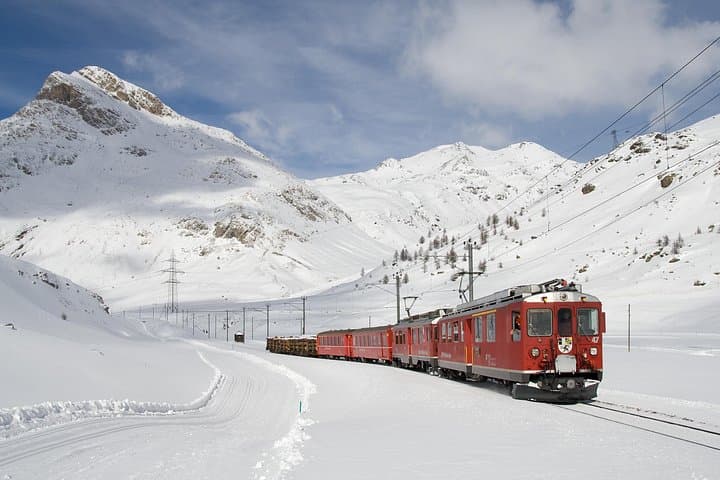
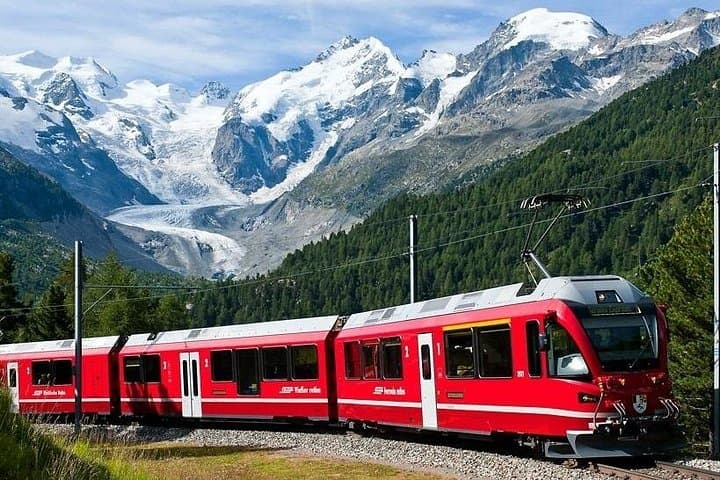
Morning in Milan begins with the city still shedding its commuter rush; a small group gathers at Piazza IV Novembre, passports in hand and coffee in paper cups. The luxury coach eases north, leaving Lombardy’s flatlands for folded rock and pine-scented air. By mid-morning the road has climbed into the Maloja corridor and the Red Bernina Train pulls up like a scarlet line drawn across the mountains: bright, compact, and impossibly photogenic.
Verified experiences and guided adventures in the surrounding area.
Operated by AUTOSTRADALE VIAGGI SRL · Milan, Lombardy
Morning in Milan begins with the city still shedding its commuter rush; a small group gathers at Piazza IV Novembre, passports in hand and coffee in paper cups. The luxury coach eases north, leaving Lombardy’s flatlands for folded rock and pine-scented air. By mid-morning the road has climbed into the Maloja corridor and the Red Bernina Train pulls up like a scarlet line drawn across the mountains: bright, compact, and impossibly photogenic.
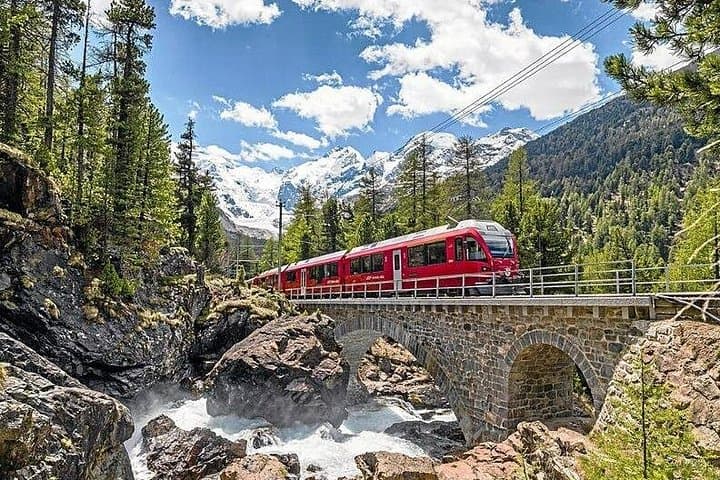
The rail climb is the spine of the day. Riders move between Italy and Switzerland along the UNESCO-listed Bernina line, rising from valley floor to 2,256 metres above sea level, carving hairpin curves and viaducts that make glaciers feel unusually close. The track was completed in the early 20th century to connect alpine communities and now threads through geological transitions — soft sedimentary basins give way to hard crystalline rock where glaciers ground the valley into bowls and lakes. The elevation gain is dramatic: you’ll feel the air thin as the train negotiates the Bernina Pass, and the landscape shifts from terraced vineyards of Valtellina to the stony, windswept ridges around Ospizio Bernina.
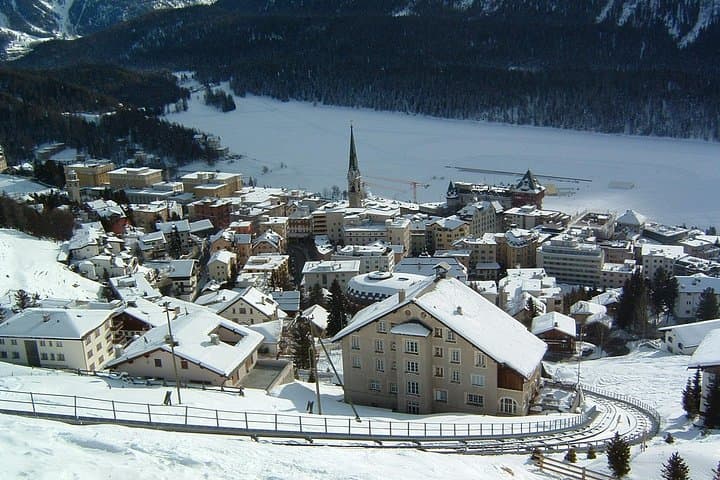
St. Moritz arrives like a change of scene in a film: polished promenades, chocolate shops, and watch boutiques facing a high-altitude lake that can flirt between glassy calm and wind-driven chop. This town’s wealth comes from a long winter tourism history—pioneers of alpine leisure built hotels and sporting events here in the late 1800s—and the cultural contrast with Tirano’s Italian valley life is part of the lesson the day delivers.
Practicalities govern a good experience. The full loop runs roughly 12–13 hours; expect long windows of panoramic viewing and shorter walking windows in St. Moritz. The train operates in 2nd-class panoramic carriages where windows open for photos—bring a windproof jacket and a light scarf. A passport or EU ID is mandatory for the border crossings. Lunch options range from a quick panini in Tirano to a leisurely restaurant in St. Moritz; the guide provides headphones for commentary and keeps the group on a tight schedule—arrive 15 minutes early to the Milan meeting point.
For photographers, the best light hits alpine faces in late morning and again at the approach to the Bernina Pass. For food lovers, Valtellina’s pizzoccheri and local Valtellina wines are worth a stop if time allows. This is a day that balances engineered precision with raw mountain weather: the rail insists on order while glaciers and winds keep the view honest. Respect the timetable, dress in layers, and let the Red Train carry you up through rock and altitude to a Switzerland that looks every bit like the postcards.
Most EU citizens can travel with an ID card; non-EU travelers should carry a valid passport and check visa requirements in advance.
No—lunch is not included; the itinerary includes free time in St. Moritz and options in Tirano where vendors sell local dishes.
Yes, the service uses 2nd-class carriages with windows that open for photography, but follow conductor instructions in bad weather.
Arrive at least 15 minutes before departure; the coach leaves on schedule and you cannot join after it departs.
Infants are allowed but must sit on a parent’s lap; strollers are possible but note limited space on trains.
The tour charges a penalty (listed in tour notes) for lost or unreturned devices—keep it with you during the day.
AUTOSTRADALE VIAGGI SRL operates guided outdoor trips and adventures with an emphasis on safety, stewardship, and memorable experiences.
Morning in Milan begins with the city still shedding its commuter rush; a small group gathers at Piazza IV Novembre, passports in hand and coffee in paper cups. The luxury coach eases north, leaving Lombardy’s flatlands for folded rock and pine-scented air. By mid-morning the road has climbed into the Maloja corridor and the Red Bernina Train pulls up like a scarlet line drawn across the mountains: bright, compact, and impossibly photogenic.
Morning in Milan begins with the city still shedding its commuter rush; a small group gathers at Piazza IV Novembre, passports in hand and coffee in paper cups. The luxury coach eases north, leaving Lombardy’s flatlands for folded rock and pine-scented air. By mid-morning the road has climbed into the Maloja corridor and the Red Bernina Train pulls up like a scarlet line drawn across the mountains: bright, compact, and impossibly photogenic.
The rail climb is the spine of the day. Riders move between Italy and Switzerland along the UNESCO-listed Bernina line, rising from valley floor to 2,256 metres above sea level, carving hairpin curves and viaducts that make glaciers feel unusually close. The track was completed in the early 20th century to connect alpine communities and now threads through geological transitions — soft sedimentary basins give way to hard crystalline rock where glaciers ground the valley into bowls and lakes. The elevation gain is dramatic: you’ll feel the air thin as the train negotiates the Bernina Pass, and the landscape shifts from terraced vineyards of Valtellina to the stony, windswept ridges around Ospizio Bernina.
St. Moritz arrives like a change of scene in a film: polished promenades, chocolate shops, and watch boutiques facing a high-altitude lake that can flirt between glassy calm and wind-driven chop. This town’s wealth comes from a long winter tourism history—pioneers of alpine leisure built hotels and sporting events here in the late 1800s—and the cultural contrast with Tirano’s Italian valley life is part of the lesson the day delivers.
Practicalities govern a good experience. The full loop runs roughly 12–13 hours; expect long windows of panoramic viewing and shorter walking windows in St. Moritz. The train operates in 2nd-class panoramic carriages where windows open for photos—bring a windproof jacket and a light scarf. A passport or EU ID is mandatory for the border crossings. Lunch options range from a quick panini in Tirano to a leisurely restaurant in St. Moritz; the guide provides headphones for commentary and keeps the group on a tight schedule—arrive 15 minutes early to the Milan meeting point.
For photographers, the best light hits alpine faces in late morning and again at the approach to the Bernina Pass. For food lovers, Valtellina’s pizzoccheri and local Valtellina wines are worth a stop if time allows. This is a day that balances engineered precision with raw mountain weather: the rail insists on order while glaciers and winds keep the view honest. Respect the timetable, dress in layers, and let the Red Train carry you up through rock and altitude to a Switzerland that looks every bit like the postcards.