THE ADVENTURE COLLECTIVE® · Independent discovery and booking for outdoor travel

A full‑day, all‑inclusive loop from Ubud that pairs the grandeur of Besakih Mother Temple with the cave‑lit Tukad Cepung waterfall and the orderly charm of Penglipuran village. Expect steep temple terraces, a cool cave plunge, and intimate cultural interactions.
A full‑day, all‑inclusive loop from Ubud that pairs the grandeur of Besakih Mother Temple with the cave‑lit Tukad Cepung waterfall and the orderly charm of Penglipuran village. Expect steep temple terraces, a cool cave plunge, and intimate cultural interactions.
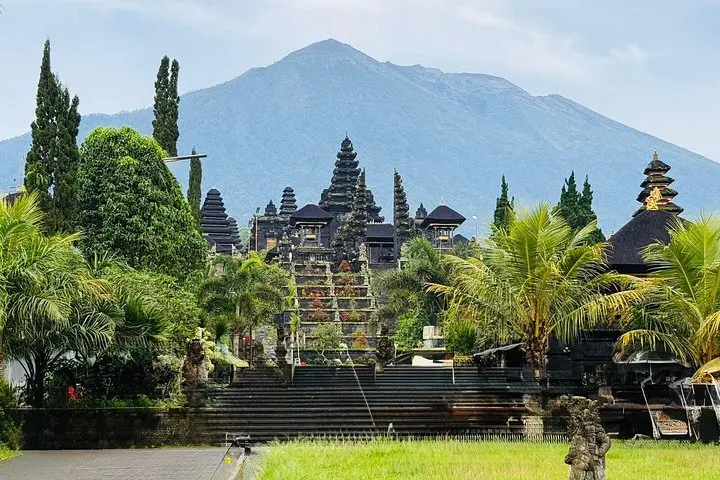
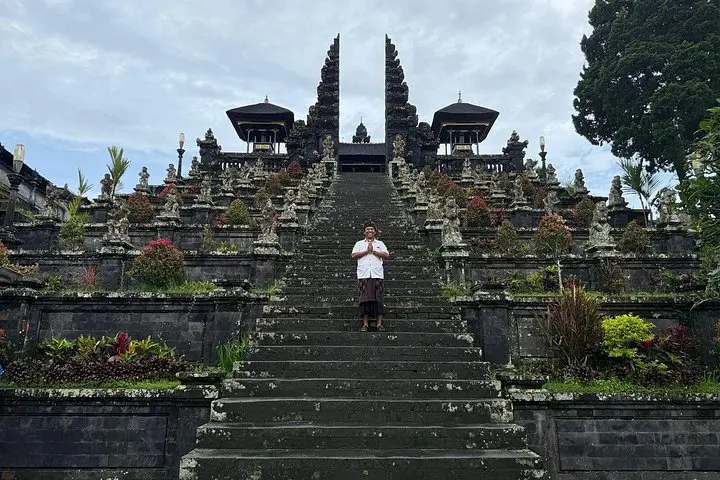
You step out of an air‑conditioned van and the slope of Mount Agung leans into the sky ahead, the stone roofs of Besakih climbing the volcano like a practiced staircase. Light filters through incense smoke as priests attend morning offerings; below, a river dares you toward a narrow shaft of light where Tukad Cepung waterfall tumbles into a cave.
Verified experiences and guided adventures in the surrounding area.
Operated by Safe Bali Driver (Ketut Suwenda) - Day Tours · Besakih, Bali
You step out of an air‑conditioned van and the slope of Mount Agung leans into the sky ahead, the stone roofs of Besakih climbing the volcano like a practiced staircase. Light filters through incense smoke as priests attend morning offerings; below, a river dares you toward a narrow shaft of light where Tukad Cepung waterfall tumbles into a cave.
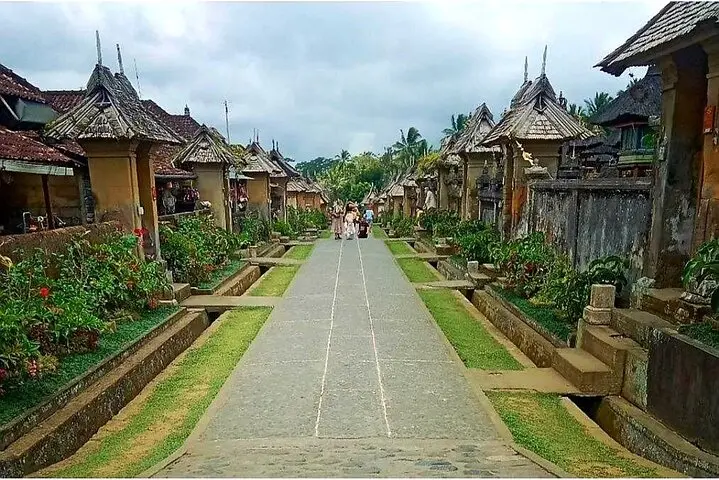
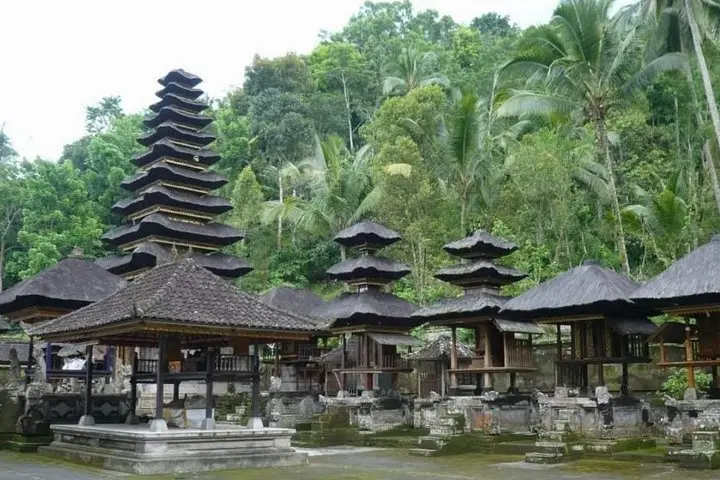
Besakih is Bali’s largest temple complex, a network of shrines layered on volcanic terraces with origins tied to ancient Hindu practice and local priest Markandya. Geologically, the site sits on the lower slopes of Mount Agung—fertile volcanic soil, steep ridgelines and views of ash‑scoured highlands. Cultural life in nearby Penglipuran village follows strict community rules: polished pathways, bamboo craft traditions, and a measured pace that contrasts with Ubud’s bustle.
Practical guidance: this is a full‑day loop (8–10 hours) best started early to avoid mid‑day heat and crowds. Bring modest clothing or use the provided sarong to enter temples; comfortable shoes are a must—temple steps and the cave approach to Tukad Cepung are uneven and can be slippery. Pack reusable water, sun protection, and a small towel for the waterfall. Photography is welcome but follow local ritual boundaries and instructions from your guide; women on their period are traditionally restricted from temple entry.
Expect moderate walking, short stair climbs, and generous cultural interpretation. The itinerary balances sacred sites, a shaded waterfall descent, a quiet village stroll and a bamboo grove—an efficient introduction to eastern Bali’s volcanic landscapes and living traditions.
Yes—this tour includes entrance fees and provides a sarong for temple entry.
You can wade and get close to the pool, but strong currents can exist—use caution and water shoes; check with your guide before entering.
It’s moderate: expect several stair climbs, short uneven trails and a descent into the waterfall cave; not recommended for those with serious back or heart issues.
Lunch is included and typically served at a local restaurant or warung during the tour.
Safe Bali Driver (Ketut Suwenda) - Day Tours operates guided outdoor trips and adventures with an emphasis on safety, stewardship, and memorable experiences.
You step out of an air‑conditioned van and the slope of Mount Agung leans into the sky ahead, the stone roofs of Besakih climbing the volcano like a practiced staircase. Light filters through incense smoke as priests attend morning offerings; below, a river dares you toward a narrow shaft of light where Tukad Cepung waterfall tumbles into a cave.
You step out of an air‑conditioned van and the slope of Mount Agung leans into the sky ahead, the stone roofs of Besakih climbing the volcano like a practiced staircase. Light filters through incense smoke as priests attend morning offerings; below, a river dares you toward a narrow shaft of light where Tukad Cepung waterfall tumbles into a cave.
Besakih is Bali’s largest temple complex, a network of shrines layered on volcanic terraces with origins tied to ancient Hindu practice and local priest Markandya. Geologically, the site sits on the lower slopes of Mount Agung—fertile volcanic soil, steep ridgelines and views of ash‑scoured highlands. Cultural life in nearby Penglipuran village follows strict community rules: polished pathways, bamboo craft traditions, and a measured pace that contrasts with Ubud’s bustle.
Practical guidance: this is a full‑day loop (8–10 hours) best started early to avoid mid‑day heat and crowds. Bring modest clothing or use the provided sarong to enter temples; comfortable shoes are a must—temple steps and the cave approach to Tukad Cepung are uneven and can be slippery. Pack reusable water, sun protection, and a small towel for the waterfall. Photography is welcome but follow local ritual boundaries and instructions from your guide; women on their period are traditionally restricted from temple entry.
Expect moderate walking, short stair climbs, and generous cultural interpretation. The itinerary balances sacred sites, a shaded waterfall descent, a quiet village stroll and a bamboo grove—an efficient introduction to eastern Bali’s volcanic landscapes and living traditions.