THE ADVENTURE COLLECTIVE® · Independent discovery and booking for outdoor travel

Explore Orkney’s prehistoric monuments, wartime sites, and dramatic sea cliffs on a customizable private tour. Expect short walks over uneven ground, guided interpretation, and close-up encounters with ancient archaeology and seabird colonies.
Explore Orkney’s prehistoric monuments, wartime sites, and dramatic sea cliffs on a customizable private tour. Expect short walks over uneven ground, guided interpretation, and close-up encounters with ancient archaeology and seabird colonies.
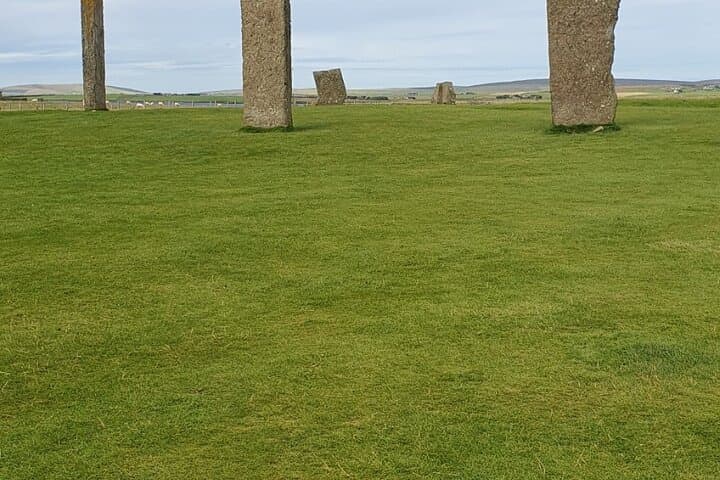
You step off the minibus and wind-whipped air from the North Atlantic pushes a clean, salt-scented insistence into your face. A low sun slides across stone circles older than many civilizations, and the turf underfoot is punctuated by the weathered edges of houses occupied five millennia ago.
Verified experiences and guided adventures in the surrounding area.
Operated by Experience Orkney · Kirkwall, Orkney Islands
You step off the minibus and wind-whipped air from the North Atlantic pushes a clean, salt-scented insistence into your face. A low sun slides across stone circles older than many civilizations, and the turf underfoot is punctuated by the weathered edges of houses occupied five millennia ago.
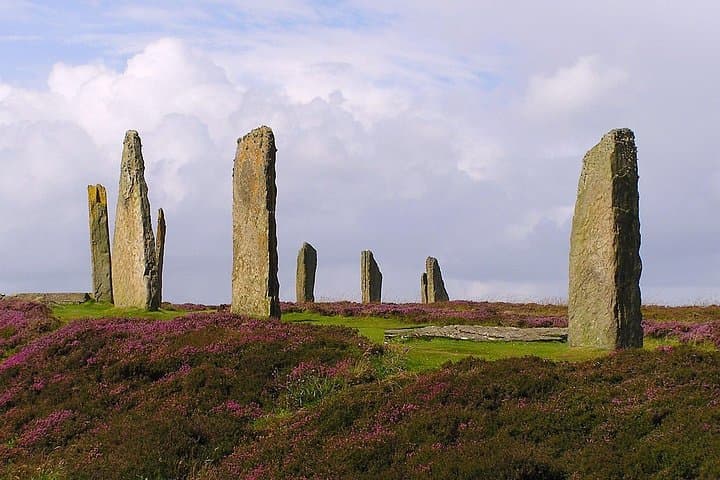
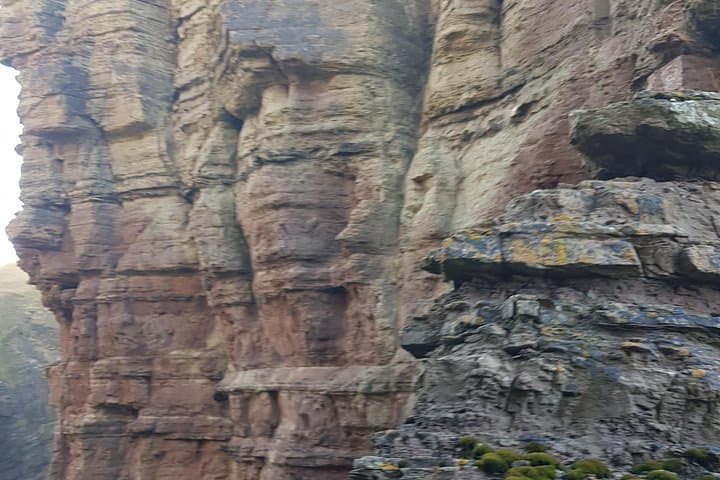
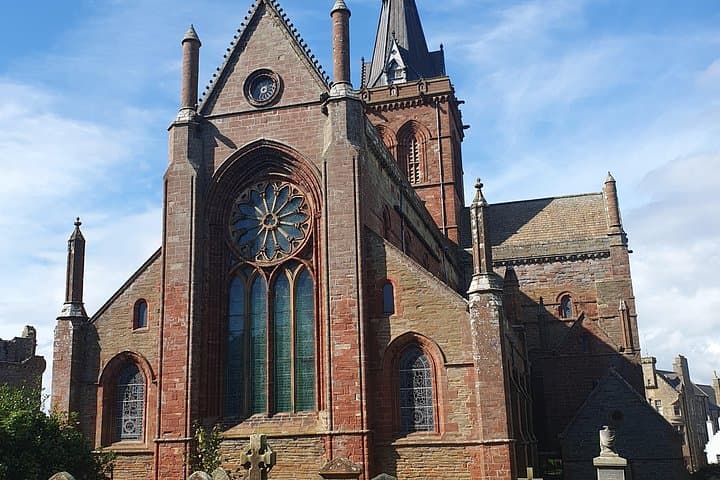
Orkney’s story reads in stone and sea. Skara Brae and the Ring of Brodgar belong to the Heart of Neolithic Orkney UNESCO landscape, their engineered cairns and standing stones speaking to sophisticated prehistoric communities. Along the coast, Yesnaby and Marwick Head show sandstone layers shaped by Devonian seas; cliffs here are carved into stacks and ledges used by breeding seabirds. Later history layers in—Italian Chapel’s hand-painted arches were built by POWs, and Scapa Flow’s wartime harbors recall naval strategy and shipwrecks.
A private guided tour strings these places into a single-day narrative: chambered tombs with low passages you may need knee pads to enter, open cliff-top walks where fulmars and guillemots wheel, and small ferry crossings to tidal islets like Brough of Birsay. Guides balance archaeology with geology and practical logistics—timing for tides, short walks over uneven ground, and modest entry fees for some sites.
Plan for changeable weather: waterproof layers, sturdy footwear, and binoculars for bird colonies. Expect a full 6–8 hour day with multiple short stops rather than long hikes. Bring a charged phone, a reusable water bottle, and patience—the islands reward slow attention, and the landscape often demands you move at its pace.
Private tours run about 6–8 hours and typically include several highlights such as Skara Brae, the Ring of Brodgar, an iconic cliff viewpoint, and one or two smaller archaeological sites—exact stops are customizable.
Some entry fees (e.g., Skara Brae, Maeshowe) are charged separately and may be added to the basic price; confirm with your operator before booking.
Short walks and vehicle transfers make it accessible for many, but chambered tombs and cliff edges require care; it’s not recommended for travelers with serious back or heart conditions or for late-stage pregnancy.
Yes—expect seabirds like kittiwakes and guillemots in summer, and you may spot grey seals from coastal viewpoints; sightings depend on season and weather.
Experience Orkney operates guided outdoor trips and adventures with an emphasis on safety, stewardship, and memorable experiences.
You step off the minibus and wind-whipped air from the North Atlantic pushes a clean, salt-scented insistence into your face. A low sun slides across stone circles older than many civilizations, and the turf underfoot is punctuated by the weathered edges of houses occupied five millennia ago.
You step off the minibus and wind-whipped air from the North Atlantic pushes a clean, salt-scented insistence into your face. A low sun slides across stone circles older than many civilizations, and the turf underfoot is punctuated by the weathered edges of houses occupied five millennia ago.
Orkney’s story reads in stone and sea. Skara Brae and the Ring of Brodgar belong to the Heart of Neolithic Orkney UNESCO landscape, their engineered cairns and standing stones speaking to sophisticated prehistoric communities. Along the coast, Yesnaby and Marwick Head show sandstone layers shaped by Devonian seas; cliffs here are carved into stacks and ledges used by breeding seabirds. Later history layers in—Italian Chapel’s hand-painted arches were built by POWs, and Scapa Flow’s wartime harbors recall naval strategy and shipwrecks.
A private guided tour strings these places into a single-day narrative: chambered tombs with low passages you may need knee pads to enter, open cliff-top walks where fulmars and guillemots wheel, and small ferry crossings to tidal islets like Brough of Birsay. Guides balance archaeology with geology and practical logistics—timing for tides, short walks over uneven ground, and modest entry fees for some sites.
Plan for changeable weather: waterproof layers, sturdy footwear, and binoculars for bird colonies. Expect a full 6–8 hour day with multiple short stops rather than long hikes. Bring a charged phone, a reusable water bottle, and patience—the islands reward slow attention, and the landscape often demands you move at its pace.