THE ADVENTURE COLLECTIVE® · Independent discovery and booking for outdoor travel

Experience the iconic Changing of the Guard with an expert guide who points out the best viewpoints around Buckingham Palace and Westminster. This 2-hour walking tour pairs military pageantry with historical context and practical tips for navigating crowds and weather.
Experience the iconic Changing of the Guard with an expert guide who points out the best viewpoints around Buckingham Palace and Westminster. This 2-hour walking tour pairs military pageantry with historical context and practical tips for navigating crowds and weather.
You step out onto The Mall as a crisp London morning unfurls: red-coated guards file past horse hooves and polished helmets flash against pale stone. The guide's voice threads history into the rhythm of the march, pointing out vantage points and small details that make the ceremony more than a photo op.
Verified experiences and guided adventures in the surrounding area.
Operated by Albion Tours · London, Greater London
You step out onto The Mall as a crisp London morning unfurls: red-coated guards file past horse hooves and polished helmets flash against pale stone. The guide's voice threads history into the rhythm of the march, pointing out vantage points and small details that make the ceremony more than a photo op.
The Changing of the Guard traces its military roots to the 17th century when royal protection duties became formalized; today the Household Division stages the spectacle against the backdrop of Buckingham Palace and nearby Westminster. Geologically, central London sits on compacted London Clay so pavements stay firm, while the River Thames nearby has been shaping the city's arteries for millennia. Culturally the event is civic theatre—part ceremony, part tourist magnet—and the surrounding streets are dotted with Georgian façades, government buildings, and quiet parks that reveal quieter stories once the crowds thin.
Practical guidance: arrive 30–45 minutes early for the best views, or plan to stand near St. James's Palace where the march begins. Wear comfortable, weatherproof footwear—surfaces are paved and some standing areas are uneven. Bring a compact umbrella or layerable jacket; London weather changes quickly. Public transport is the most efficient option—many tours start within easy walking distance of St. James's Park and Green Park Tube stations.
This guided walk pairs the pageantry of the guard with clear historical context and easy logistics, making it accessible for first-time visitors and history-minded travelers who want more than a snapshot.
Times vary by season and day—most ceremonies start mid-morning; check the tour time and official Household Division schedule in advance.
The tour listing indicates wheelchair access for meeting points and some routes, but the ceremony viewing areas can be crowded—contact the operator to confirm accessibility arrangements.
Yes—photography is allowed, though space is limited; be mindful of other viewers and avoid blocking pathways.
No—this walking tour focuses on the external ceremony and nearby landmarks; palace interior admission is separate and not included.
Albion Tours operates guided outdoor trips and adventures with an emphasis on safety, stewardship, and memorable experiences.
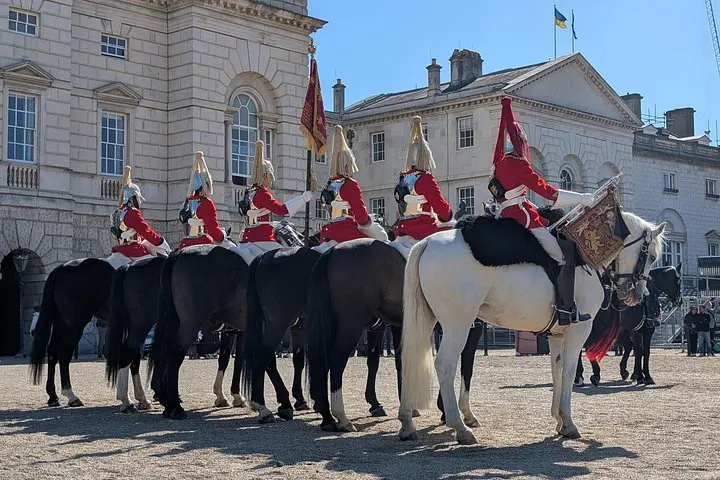
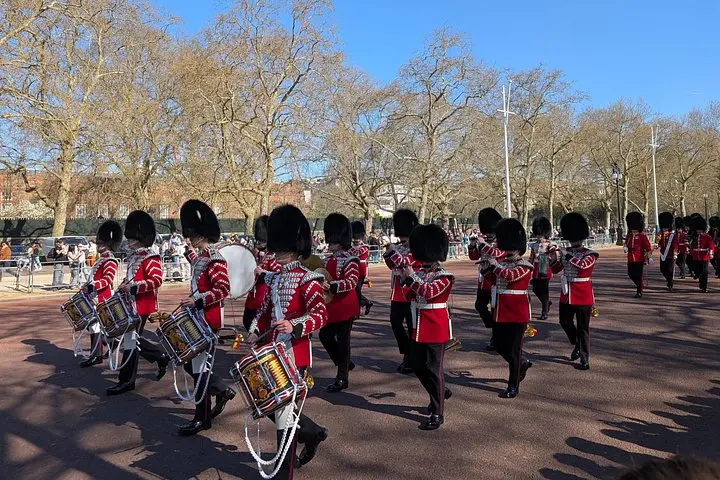
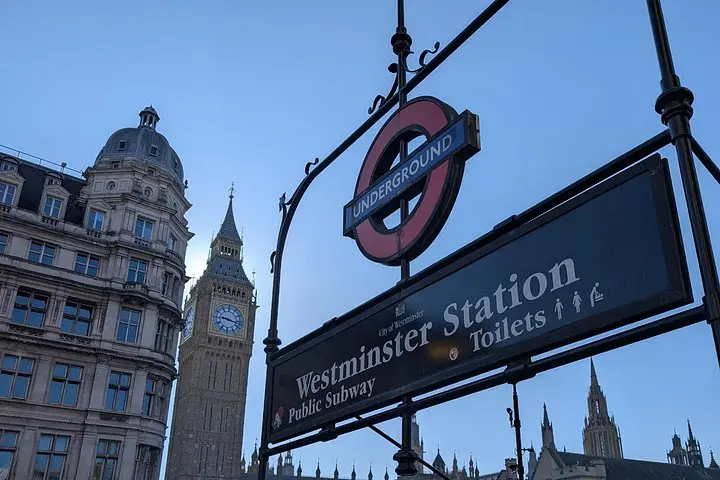
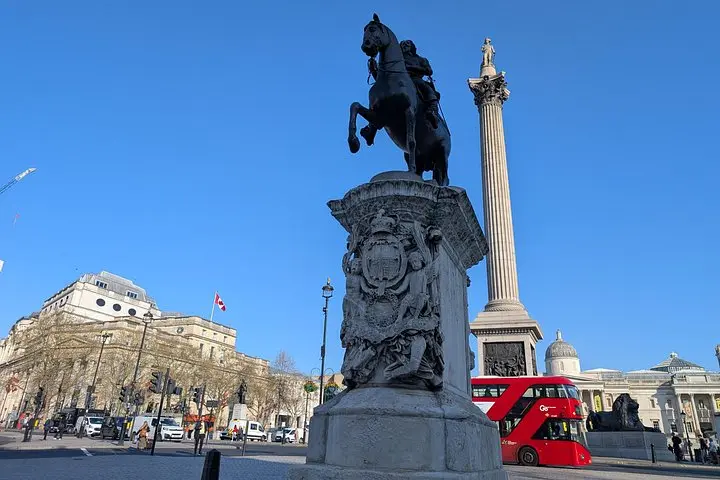
You step out onto The Mall as a crisp London morning unfurls: red-coated guards file past horse hooves and polished helmets flash against pale stone. The guide's voice threads history into the rhythm of the march, pointing out vantage points and small details that make the ceremony more than a photo op.
You step out onto The Mall as a crisp London morning unfurls: red-coated guards file past horse hooves and polished helmets flash against pale stone. The guide's voice threads history into the rhythm of the march, pointing out vantage points and small details that make the ceremony more than a photo op.
The Changing of the Guard traces its military roots to the 17th century when royal protection duties became formalized; today the Household Division stages the spectacle against the backdrop of Buckingham Palace and nearby Westminster. Geologically, central London sits on compacted London Clay so pavements stay firm, while the River Thames nearby has been shaping the city's arteries for millennia. Culturally the event is civic theatre—part ceremony, part tourist magnet—and the surrounding streets are dotted with Georgian façades, government buildings, and quiet parks that reveal quieter stories once the crowds thin.
Practical guidance: arrive 30–45 minutes early for the best views, or plan to stand near St. James's Palace where the march begins. Wear comfortable, weatherproof footwear—surfaces are paved and some standing areas are uneven. Bring a compact umbrella or layerable jacket; London weather changes quickly. Public transport is the most efficient option—many tours start within easy walking distance of St. James's Park and Green Park Tube stations.
This guided walk pairs the pageantry of the guard with clear historical context and easy logistics, making it accessible for first-time visitors and history-minded travelers who want more than a snapshot.