THE ADVENTURE COLLECTIVE® · Independent discovery and booking for outdoor travel

Move from Kathmandu’s carved streets to Pokhara’s reflective lakes in this six-day circuit. See Sarangkot sunrise, Phewa Lake, caves and major Kathmandu temples with practical tips for timing, gear and optional extras.
Move from Kathmandu’s carved streets to Pokhara’s reflective lakes in this six-day circuit. See Sarangkot sunrise, Phewa Lake, caves and major Kathmandu temples with practical tips for timing, gear and optional extras.
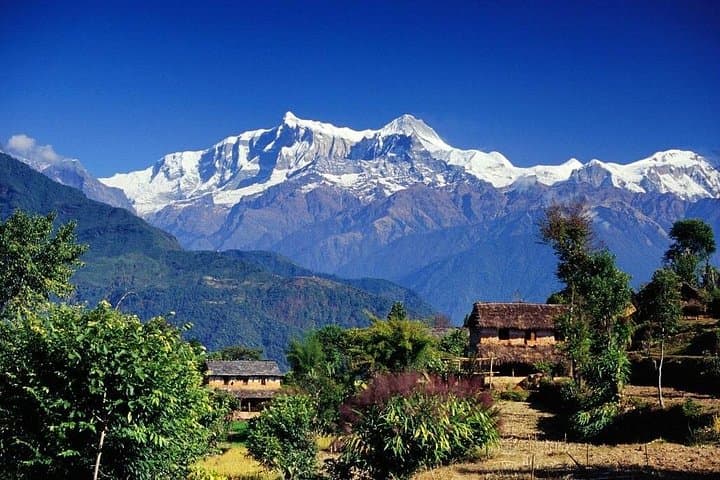
The first light in Kathmandu filters through prayer flags as a porter wheels luggage past Durbar Square and the air feels like a held breath before a sunrise. On this six-day loop you move from the crowded, carved streets of Kathmandu (≈1,400 m) to the lake-side calm of Pokhara (≈827 m) and up to Sarangkot’s ridgeline (≈1,592 m) for a Himalayan dawn.
Verified experiences and guided adventures in the surrounding area.
Operated by Holidays to Nepal Pvt. Ltd. · Kathmandu, Bagmati Province
The first light in Kathmandu filters through prayer flags as a porter wheels luggage past Durbar Square and the air feels like a held breath before a sunrise. On this six-day loop you move from the crowded, carved streets of Kathmandu (≈1,400 m) to the lake-side calm of Pokhara (≈827 m) and up to Sarangkot’s ridgeline (≈1,592 m) for a Himalayan dawn.
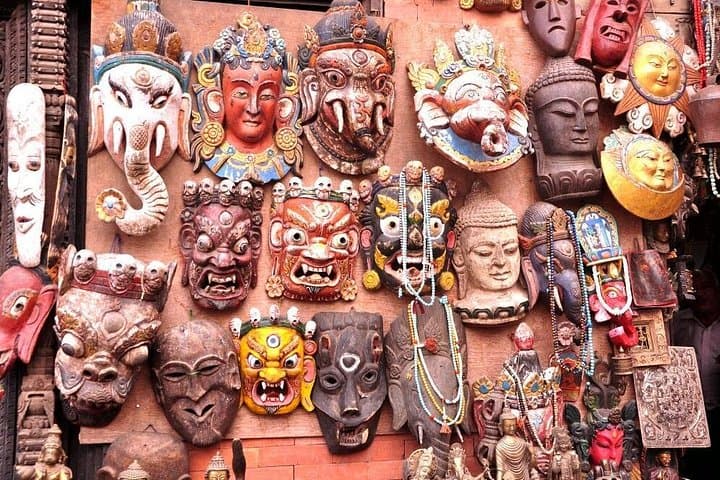
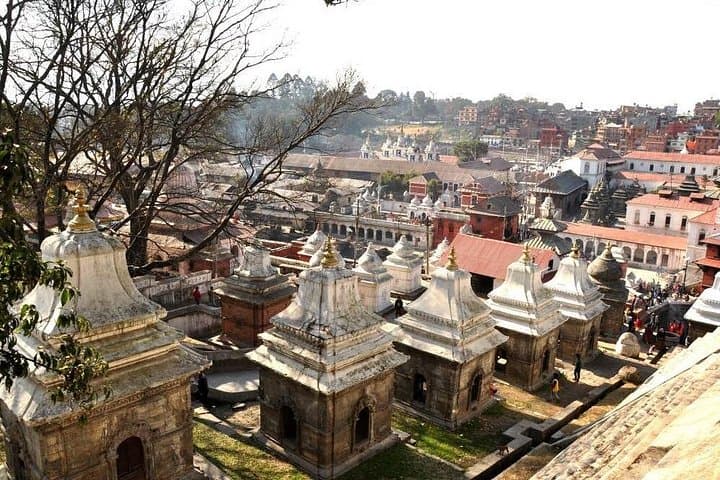
Kathmandu’s valley is a palimpsest of Newar craftsmanship, Hindu ghats on the Bagmati and Buddhist stupas that grew from trade-route wealth. Geologically, you’re on an active collision zone—Himalayan thrust faults carved the peaks you’ll glimpse, while Pokhara’s lakes occupy glacial and monsoon-shaped basins. Local culture alternates quiet shrine rituals with lively markets; expect temple etiquette and a dress code of respectful, smart casual clothes.
Highlights are concrete: a 200 km, ~7-hour drive between cities, a Sarangkot sunrise pickup before 04:30, a half-day of boat time on Phewa Lake, and cave systems like Gupteshwor (cave passages extend ~3 km) and the subterranean run of David’s Falls that plunges ~30 m underground. Optional add-ons—Everest mountain flight (≈USD 250) and Manakamana cable car (≈USD 20)—are common extras.
Practical guidance: pack layered clothing for 800–1,600 m elevation swings, bring a daypack for short walks, and plan early mornings for clear mountain views. Hydrate to counter travel fatigue, carry cash for small temple fees and cable cars, and allow extra time for traffic on the Kathmandu–Pokhara road. This itinerary blends cultural sightseeing with accessible outdoor moments—good planning makes the difference between crowded viewpoints and a clear, memorable sunrise.
Most travelers need a visa; many nationalities can obtain a tourist visa on arrival at Tribhuvan Airport or arrange one in advance—confirm requirements before travel.
No; the Everest flight (≈USD 250) and Manakamana cable car (≈USD 20) are optional extras not included in the base package.
Daily activity is light—short walks at sites, stairs at stupas and cave passages; the tour is rated easy and suitable for most fitness levels.
This itinerary stays below high-altitude zones (under ~1,600 m) where severe altitude sickness is unlikely; stay hydrated and avoid strenuous exertion on arrival.
Holidays to Nepal Pvt. Ltd. operates guided outdoor trips and adventures with an emphasis on safety, stewardship, and memorable experiences.

The first light in Kathmandu filters through prayer flags as a porter wheels luggage past Durbar Square and the air feels like a held breath before a sunrise. On this six-day loop you move from the crowded, carved streets of Kathmandu (≈1,400 m) to the lake-side calm of Pokhara (≈827 m) and up to Sarangkot’s ridgeline (≈1,592 m) for a Himalayan dawn.
The first light in Kathmandu filters through prayer flags as a porter wheels luggage past Durbar Square and the air feels like a held breath before a sunrise. On this six-day loop you move from the crowded, carved streets of Kathmandu (≈1,400 m) to the lake-side calm of Pokhara (≈827 m) and up to Sarangkot’s ridgeline (≈1,592 m) for a Himalayan dawn.
Kathmandu’s valley is a palimpsest of Newar craftsmanship, Hindu ghats on the Bagmati and Buddhist stupas that grew from trade-route wealth. Geologically, you’re on an active collision zone—Himalayan thrust faults carved the peaks you’ll glimpse, while Pokhara’s lakes occupy glacial and monsoon-shaped basins. Local culture alternates quiet shrine rituals with lively markets; expect temple etiquette and a dress code of respectful, smart casual clothes.
Highlights are concrete: a 200 km, ~7-hour drive between cities, a Sarangkot sunrise pickup before 04:30, a half-day of boat time on Phewa Lake, and cave systems like Gupteshwor (cave passages extend ~3 km) and the subterranean run of David’s Falls that plunges ~30 m underground. Optional add-ons—Everest mountain flight (≈USD 250) and Manakamana cable car (≈USD 20)—are common extras.
Practical guidance: pack layered clothing for 800–1,600 m elevation swings, bring a daypack for short walks, and plan early mornings for clear mountain views. Hydrate to counter travel fatigue, carry cash for small temple fees and cable cars, and allow extra time for traffic on the Kathmandu–Pokhara road. This itinerary blends cultural sightseeing with accessible outdoor moments—good planning makes the difference between crowded viewpoints and a clear, memorable sunrise.