THE ADVENTURE COLLECTIVE® · Independent discovery and booking for outdoor travel

Four days of Amsterdam: canals that shape the city, museum highlights, and a day trip into windmill country. This practical guide explains what to expect—walking, weather, and where to save time.
Four days of Amsterdam: canals that shape the city, museum highlights, and a day trip into windmill country. This practical guide explains what to expect—walking, weather, and where to save time.
The tour begins where cobbled streets meet water: step off a private transfer into the cool air above Amsterdam’s concentric canals, where houseboats bob and cyclists thread between bridges. On day one the city’s scale and rhythm are visible—traders’ facades tilt over canal edges, church bells mark the walkable heart, and a first canal cruise lets the water itself narrate the urban plan.
Verified experiences and guided adventures in the surrounding area.
Operated by EUROLINKWORLDWIDE · Amsterdam, North Holland
The tour begins where cobbled streets meet water: step off a private transfer into the cool air above Amsterdam’s concentric canals, where houseboats bob and cyclists thread between bridges. On day one the city’s scale and rhythm are visible—traders’ facades tilt over canal edges, church bells mark the walkable heart, and a first canal cruise lets the water itself narrate the urban plan.
Historically Amsterdam grew from a dammed river mouth into a Golden Age port; the concentric canal rings are 17th-century engineering that organized trade, taxation and urban life. Geologically the region sits on reclaimed peat and clay, a landscape shaped by hydraulics and human hands. Culturally the itinerary blends world-class museum visits—Rijksmuseum collections, house museums like Anne Frank’s—with everyday pleasures: a cheese tasting, market stalls, and a day trip to windmills and fishing villages that show rural North Holland traditions.
Travelers should expect steady walking on flat but uneven surfaces, boat transfers that are exposed to weather, and short coach rides to Zaanse Schans, Edam, Volendam and Marken. Practical guidance: time museum visits for early slots to avoid queues, bring a compact waterproof layer for canal breezes, and use a secure daypack—pickpocketing can occur in crowded squares. Hydrate while walking; cafés are plentiful but lunch windows in small villages can be short.
This is a low-elevation, low-technical tour built for curiosity and steady feet: historic architecture, working windmills, canals that dare you to slow down and listen.
Some included elements are listed in the itinerary; confirm which museum admissions are covered at booking—major museums often require separate timed tickets.
The tour is low-impact: mostly walking on flat ground with short coach transfers and a canal cruise; comfortable shoes and basic mobility are sufficient.
Yes—private return transfers between airport or station and the hotel are included as described in the itinerary.
Cancel at least six full days before departure for a full refund; cancel 2–6 days before for 50%; within 2 days no refund is provided.
EUROLINKWORLDWIDE operates guided outdoor trips and adventures with an emphasis on safety, stewardship, and memorable experiences.
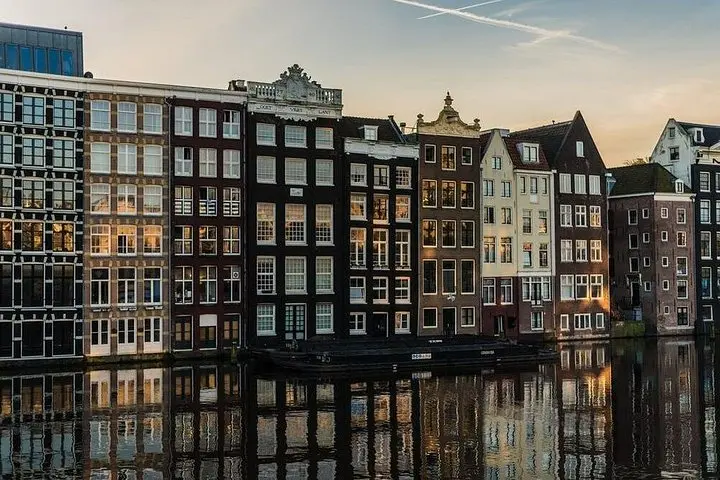
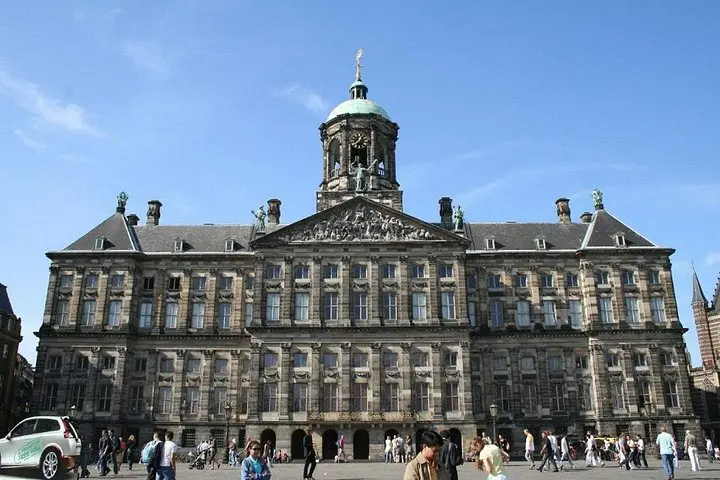
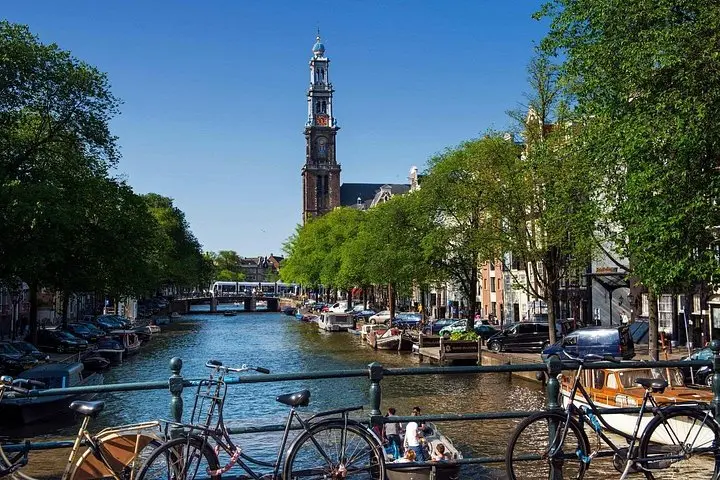
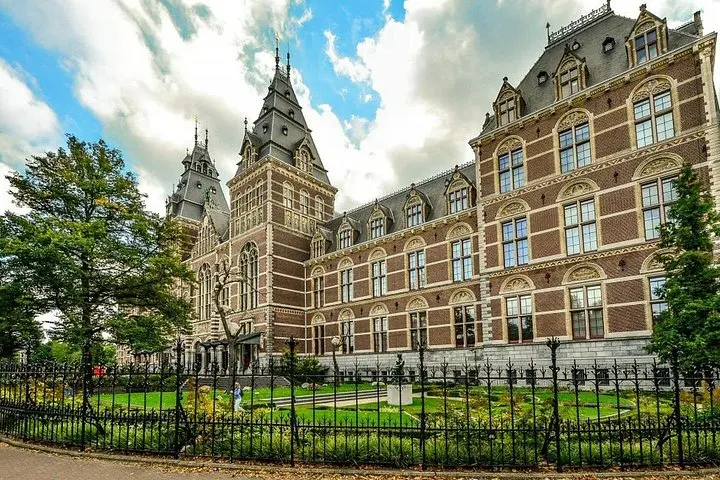
The tour begins where cobbled streets meet water: step off a private transfer into the cool air above Amsterdam’s concentric canals, where houseboats bob and cyclists thread between bridges. On day one the city’s scale and rhythm are visible—traders’ facades tilt over canal edges, church bells mark the walkable heart, and a first canal cruise lets the water itself narrate the urban plan.
The tour begins where cobbled streets meet water: step off a private transfer into the cool air above Amsterdam’s concentric canals, where houseboats bob and cyclists thread between bridges. On day one the city’s scale and rhythm are visible—traders’ facades tilt over canal edges, church bells mark the walkable heart, and a first canal cruise lets the water itself narrate the urban plan.
Historically Amsterdam grew from a dammed river mouth into a Golden Age port; the concentric canal rings are 17th-century engineering that organized trade, taxation and urban life. Geologically the region sits on reclaimed peat and clay, a landscape shaped by hydraulics and human hands. Culturally the itinerary blends world-class museum visits—Rijksmuseum collections, house museums like Anne Frank’s—with everyday pleasures: a cheese tasting, market stalls, and a day trip to windmills and fishing villages that show rural North Holland traditions.
Travelers should expect steady walking on flat but uneven surfaces, boat transfers that are exposed to weather, and short coach rides to Zaanse Schans, Edam, Volendam and Marken. Practical guidance: time museum visits for early slots to avoid queues, bring a compact waterproof layer for canal breezes, and use a secure daypack—pickpocketing can occur in crowded squares. Hydrate while walking; cafés are plentiful but lunch windows in small villages can be short.
This is a low-elevation, low-technical tour built for curiosity and steady feet: historic architecture, working windmills, canals that dare you to slow down and listen.