THE ADVENTURE COLLECTIVE® · Independent discovery and booking for outdoor travel

Cover Lithuania, Latvia and Estonia in five driven days: from the Curonian Spit’s shifting dunes and bird colonies to Riga’s Art Nouveau and Tallinn’s medieval streets. This private tour blends coastal nature, national history and guided city walks with manageable walking sections and included logistics.
Cover Lithuania, Latvia and Estonia in five driven days: from the Curonian Spit’s shifting dunes and bird colonies to Riga’s Art Nouveau and Tallinn’s medieval streets. This private tour blends coastal nature, national history and guided city walks with manageable walking sections and included logistics.
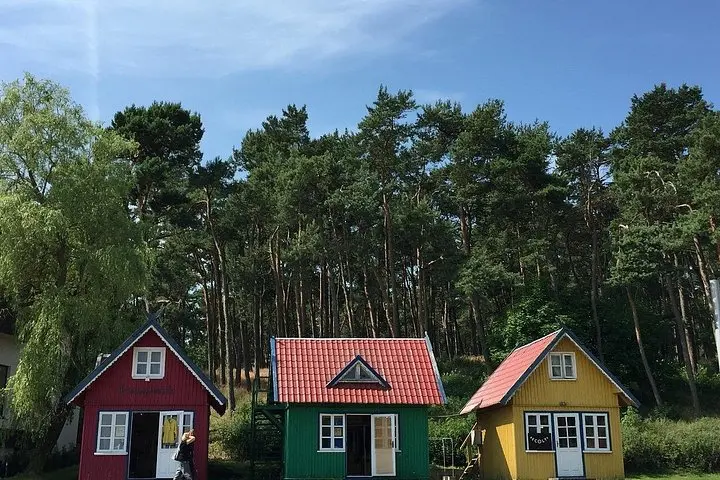
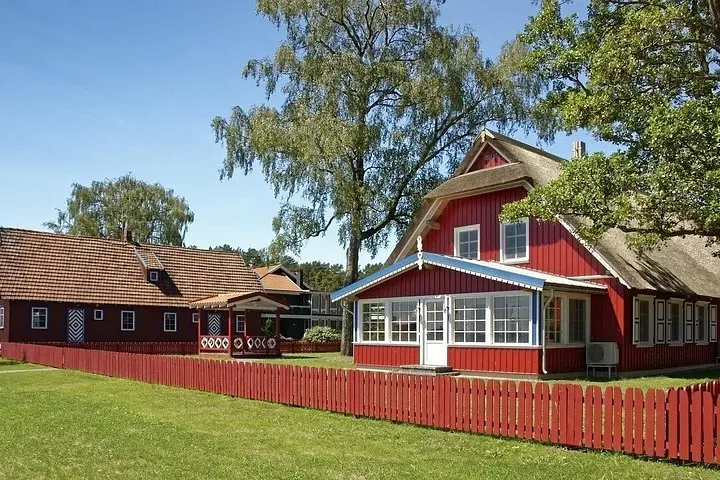
On a pale Baltic morning your private driver slips out of Vilnius and the highway loosens into birch and pine. By midday the sea appears at the lip of the Curonian Lagoon and a short ferry carries you onto a narrow spine of sand where wind-carved dunes rise like movable hills and the Baltic horizon pulls the light taut.
Verified experiences and guided adventures in the surrounding area.
Operated by Vad Travel · Vilnius, Vilnius
On a pale Baltic morning your private driver slips out of Vilnius and the highway loosens into birch and pine. By midday the sea appears at the lip of the Curonian Lagoon and a short ferry carries you onto a narrow spine of sand where wind-carved dunes rise like movable hills and the Baltic horizon pulls the light taut.
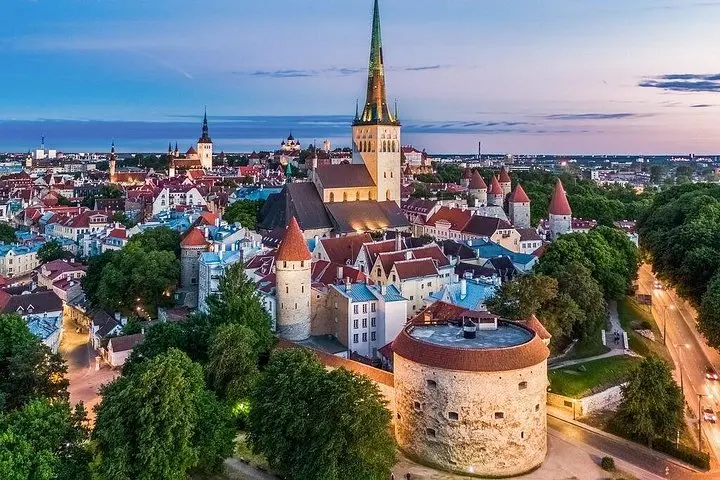
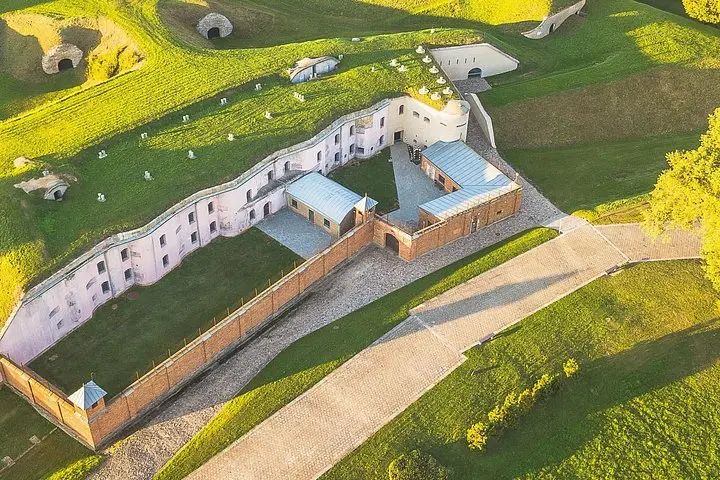
This five-day route stitches together distinct chapters of Baltic history and landscape: the Ninth Fort’s WWII memorial, the shifting Parnidis Dune and the Curonian Spit’s protected dunes and bird colonies, the Hill of Crosses’ dense devotional landscape, Rundāle Palace’s Baroque excess, Sigulda’s medieval castles, and Tallinn’s fortified Old Town and Kadriorg Palace. Geologically the Curonian Spit is a barrier spit formed by centuries of longshore drift; culturally the Hill of Crosses is both recent and ancient—an act of civic memory and folk devotion.
Expect mostly road travel with short guided walks—beach sand, wooden-board trails through pine forest, and cobbled streets in city centers. Ferry crossings and village lanes set the pace; drives between highlights are the price of reaching remote beauty. Practical notes: pack layers for wind and coastal spray, sturdy shoes for dunes and cobbles, and allow time for passport/ID checks despite open Schengen borders. Ferry tickets and an ecological entry fee are typically handled by the tour. Travel early for soft light on dunes and quieter streets in Riga and Tallinn.
This itinerary balances cultural depth and natural spectacle: it’s a compact, efficient way to sample the Baltics when time is short but standards are high.
All three countries are in the Schengen Area, so routine internal border checks are uncommon, but always carry passport/ID in case of spot checks or when crossing by ferry.
Most days feature short guided walks (30–120 minutes) plus standing time at sites; longer beach or dune walks are optional and can be shortened to suit fitness levels.
Yes—paths and short boardwalk trails are accessible, though dunes require care; the tour notes it’s suitable for all fitness levels and can be customized.
Ferry tickets to the Curonian Spit and an ecological entry fee are typically included, but confirm with the operator for any optional site admissions or upgrades.
Vad Travel operates guided outdoor trips and adventures with an emphasis on safety, stewardship, and memorable experiences.
On a pale Baltic morning your private driver slips out of Vilnius and the highway loosens into birch and pine. By midday the sea appears at the lip of the Curonian Lagoon and a short ferry carries you onto a narrow spine of sand where wind-carved dunes rise like movable hills and the Baltic horizon pulls the light taut.
On a pale Baltic morning your private driver slips out of Vilnius and the highway loosens into birch and pine. By midday the sea appears at the lip of the Curonian Lagoon and a short ferry carries you onto a narrow spine of sand where wind-carved dunes rise like movable hills and the Baltic horizon pulls the light taut.
This five-day route stitches together distinct chapters of Baltic history and landscape: the Ninth Fort’s WWII memorial, the shifting Parnidis Dune and the Curonian Spit’s protected dunes and bird colonies, the Hill of Crosses’ dense devotional landscape, Rundāle Palace’s Baroque excess, Sigulda’s medieval castles, and Tallinn’s fortified Old Town and Kadriorg Palace. Geologically the Curonian Spit is a barrier spit formed by centuries of longshore drift; culturally the Hill of Crosses is both recent and ancient—an act of civic memory and folk devotion.
Expect mostly road travel with short guided walks—beach sand, wooden-board trails through pine forest, and cobbled streets in city centers. Ferry crossings and village lanes set the pace; drives between highlights are the price of reaching remote beauty. Practical notes: pack layers for wind and coastal spray, sturdy shoes for dunes and cobbles, and allow time for passport/ID checks despite open Schengen borders. Ferry tickets and an ecological entry fee are typically handled by the tour. Travel early for soft light on dunes and quieter streets in Riga and Tallinn.
This itinerary balances cultural depth and natural spectacle: it’s a compact, efficient way to sample the Baltics when time is short but standards are high.