THE ADVENTURE COLLECTIVE® · Independent discovery and booking for outdoor travel

A full-day route from Siem Reap that pairs a quirky bamboo train ride with Battambang’s colonial streets and the dramatic bat exodus at Phnom Sampov—perfect for travelers wanting a provincial snapshot beyond the temples.
A full-day route from Siem Reap that pairs a quirky bamboo train ride with Battambang’s colonial streets and the dramatic bat exodus at Phnom Sampov—perfect for travelers wanting a provincial snapshot beyond the temples.
You leave Siem Reap before dawn, the highway unspooling as rice paddies and low karst hills slide past the window. By midmorning the provincial quiet of Battambang has a different pulse—slow market rhythms, concrete French bakeries, and a bamboo rail that creaks like a country heartbeat.
Verified experiences and guided adventures in the surrounding area.
Operated by Battambang Tour Services · Battambang, Battambang Province
You leave Siem Reap before dawn, the highway unspooling as rice paddies and low karst hills slide past the window. By midmorning the provincial quiet of Battambang has a different pulse—slow market rhythms, concrete French bakeries, and a bamboo rail that creaks like a country heartbeat.
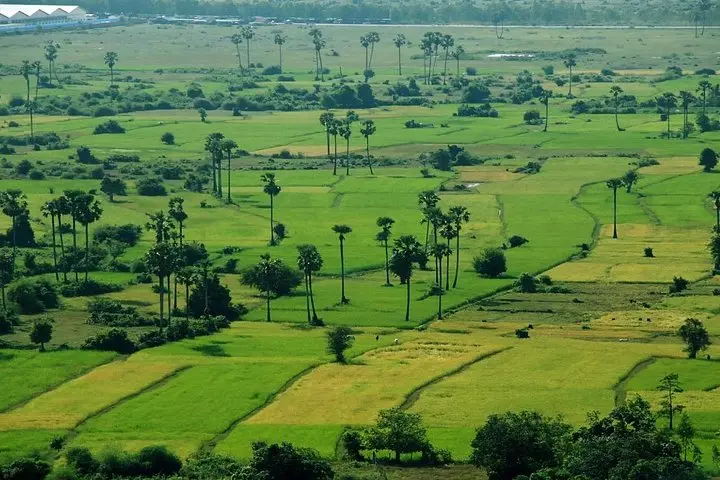
Battambang wears its history in layers: a prosperous Khmer rice plain, a French colonial prefecture with shuttered villas, and recent scars from the Khmer Rouge era that shaped local memory. Geologically, Phnom Sampov’s limestone ridges rise from flat floodplain, carving caves that harbor thousands of fruit bats. At dusk those bats become a living river, pouring from caverns and sweeping over the plain.
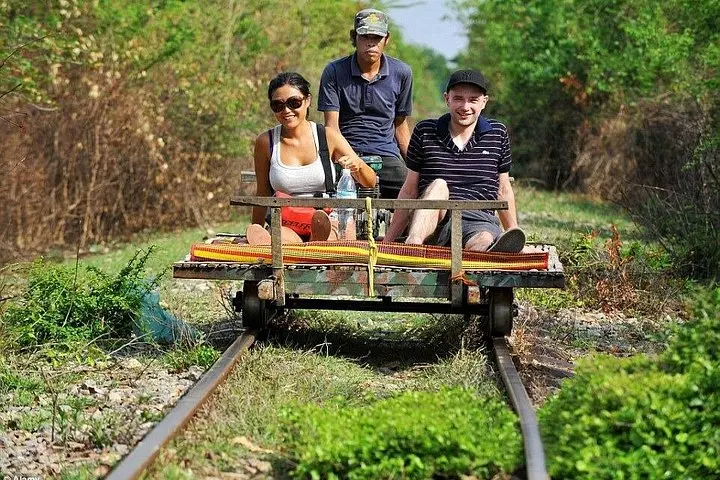
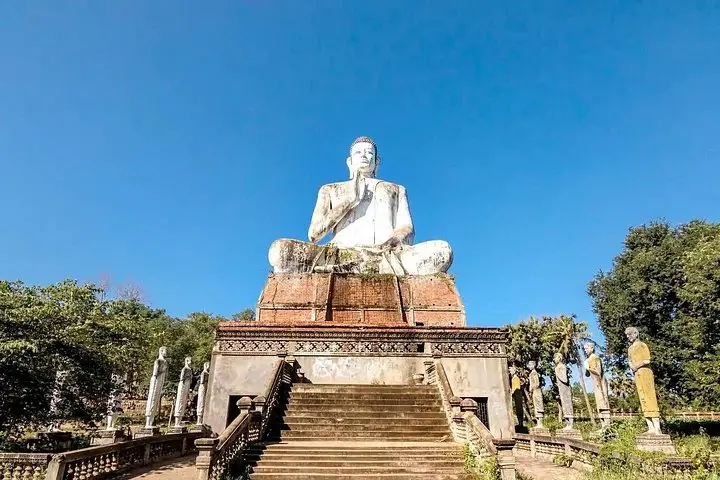
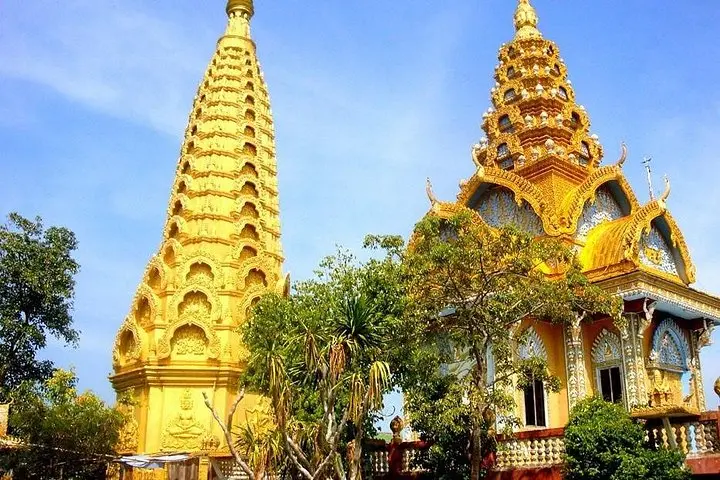
The day blends short walks, a 15–30 minute bamboo train ride over patchwork track, lunch in a local eatery, and a visit to Phnom Sampov’s temples and killing caves—sites that require respectful attention. Cultural color arrives in market alleys where vendors sell grilled fish and palm sugar, and in small villages where oxen still pull carts.
Practical realities: expect a three-hour drive each way from Siem Reap in an air-conditioned van, moderate amounts of walking on uneven surfaces, and basic facilities at rural stops. Bring sun protection, insect repellent, modest clothing for temple areas, and cash for small purchases. If you want the bat exodus, schedule the cave visit for late afternoon; rainy-season roads can slow the itinerary. This is a full, active day best for travelers comfortable with long drives and curious about Cambodia beyond the Angkor sites.
Expect about three hours each way by private air-conditioned vehicle, depending on traffic and road conditions.
Bamboo trains are informal and rustic; children can ride but should be supervised and seated securely—ask the operator about age limits.
Late afternoon to early evening, shortly before dusk, when fruit bats leave the caves to feed; exact timing shifts with season.
Most day tours include entrance fees and bottled water; check the tour inclusion list for meals—local lunch is typically provided or arranged.
Battambang Tour Services operates guided outdoor trips and adventures with an emphasis on safety, stewardship, and memorable experiences.
You leave Siem Reap before dawn, the highway unspooling as rice paddies and low karst hills slide past the window. By midmorning the provincial quiet of Battambang has a different pulse—slow market rhythms, concrete French bakeries, and a bamboo rail that creaks like a country heartbeat.
You leave Siem Reap before dawn, the highway unspooling as rice paddies and low karst hills slide past the window. By midmorning the provincial quiet of Battambang has a different pulse—slow market rhythms, concrete French bakeries, and a bamboo rail that creaks like a country heartbeat.
Battambang wears its history in layers: a prosperous Khmer rice plain, a French colonial prefecture with shuttered villas, and recent scars from the Khmer Rouge era that shaped local memory. Geologically, Phnom Sampov’s limestone ridges rise from flat floodplain, carving caves that harbor thousands of fruit bats. At dusk those bats become a living river, pouring from caverns and sweeping over the plain.
The day blends short walks, a 15–30 minute bamboo train ride over patchwork track, lunch in a local eatery, and a visit to Phnom Sampov’s temples and killing caves—sites that require respectful attention. Cultural color arrives in market alleys where vendors sell grilled fish and palm sugar, and in small villages where oxen still pull carts.
Practical realities: expect a three-hour drive each way from Siem Reap in an air-conditioned van, moderate amounts of walking on uneven surfaces, and basic facilities at rural stops. Bring sun protection, insect repellent, modest clothing for temple areas, and cash for small purchases. If you want the bat exodus, schedule the cave visit for late afternoon; rainy-season roads can slow the itinerary. This is a full, active day best for travelers comfortable with long drives and curious about Cambodia beyond the Angkor sites.