THE ADVENTURE COLLECTIVE® · Independent discovery and booking for outdoor travel

A private, seven-day circuit from Paro that pairs strenuous day hikes—most famously to Taktsang—with temple visits, high passes and valley walks. Expect steep climbs, dramatic views, and close encounters with Bhutanese culture.
A private, seven-day circuit from Paro that pairs strenuous day hikes—most famously to Taktsang—with temple visits, high passes and valley walks. Expect steep climbs, dramatic views, and close encounters with Bhutanese culture.
You arrive in Paro with the Himalaya suddenly closer—peaks slicing the sky, prayer flags flicking at road edges, and a narrow valley that funnels sound and scent. The itinerary moves on foot and by road through cedar forests, terraced rice fields and high passes, punctuated by dzongs and chortens that mark villages and prayerful crossroads.
Verified experiences and guided adventures in the surrounding area.
Operated by Bhutan Travel Experts · Paro, Paro District
You arrive in Paro with the Himalaya suddenly closer—peaks slicing the sky, prayer flags flicking at road edges, and a narrow valley that funnels sound and scent. The itinerary moves on foot and by road through cedar forests, terraced rice fields and high passes, punctuated by dzongs and chortens that mark villages and prayerful crossroads.
Bhutan’s story is visible everywhere: 17th-century fortresses like Rinpung Dzong and the cliff-hung Taktsang (Tiger’s Nest) reflect a Tibetan-influenced Buddhist polity; Dochu La and Chele La passes expose fractured rock and glaciated valleys that frame views of Jomolhari and Jichu Drake. In Punakha you’ll cross rivers that carved strategic dzong sites; in Phobjikha the valley’s bowl shape shelters wintering black-necked cranes.
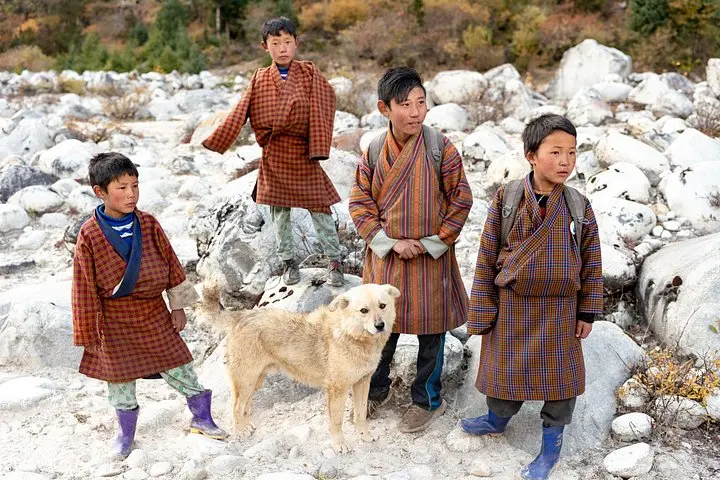
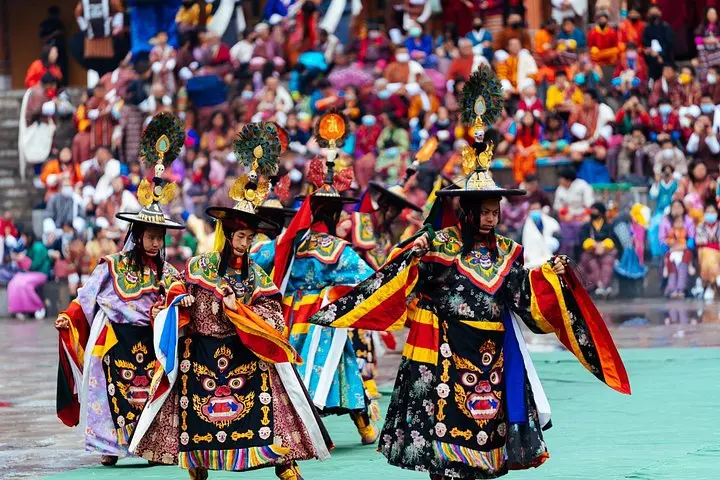
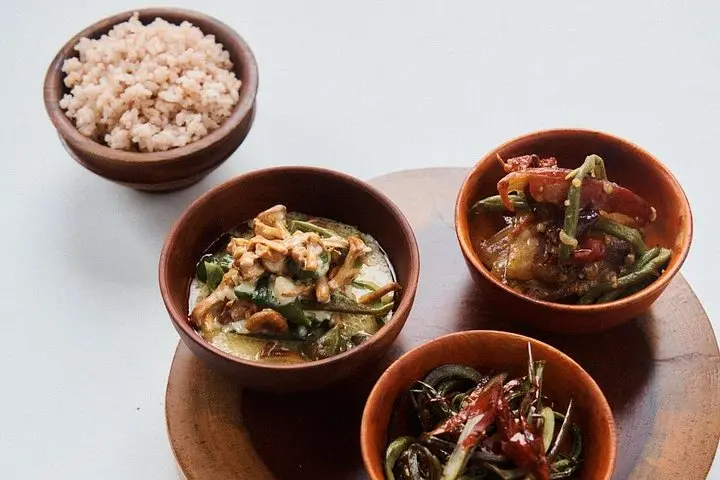
Culturally the trip balances ritual and everyday life—monastery chants, weekend archery matches, handicraft workshops and rustic farmhouse meals. Guides offer local stories on medicine plants, the Divine Madman’s eccentric legends, and how Bhutan’s monarchy shaped modern conservation.
Practically: plan for altitude swings, steep day hikes (Taktsang is a difficult 5–6 hour ascent), and long drives over high passes. Good trekking shoes, layered clothing and sun protection are essential. Expect early starts, teahouse rests on the trail, and opportunities to skip difficult sections if needed. The tour includes permits, private transport, licensed guides and most meals, so focus on conditioning, hydration and responsible travel—leave no trace, respect temple etiquette, and carry cash for small market purchases. This blend of sustained walking, cultural immersion and mountain panorama makes the week both demanding and richly rewarding.
Yes; Bhutan requires a pre-arranged visa and a daily Sustainable Development Fee (SDF) handled by licensed tour operators—this tour includes permits and SDF details in the package.
The Tiger’s Nest is classed difficult: expect 4–6 hours round-trip with steep, rocky sections and significant elevation gain; a teahouse halfway offers a rest point for less experienced hikers.
Black-necked cranes arrive in Phobjikha Valley from late October through mid-February—the tour’s Phobjikha stop is timed for winter crane viewing when in season.
Yes—this private tour includes land transport, most meals (6 breakfasts/lunches/dinners listed), accommodation at government-approved hotels and monument entrance fees as specified.
Bhutan Travel Experts operates guided outdoor trips and adventures with an emphasis on safety, stewardship, and memorable experiences.
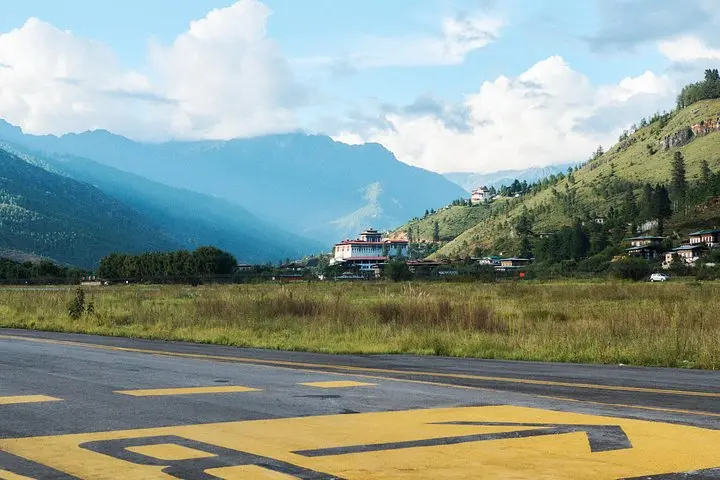
You arrive in Paro with the Himalaya suddenly closer—peaks slicing the sky, prayer flags flicking at road edges, and a narrow valley that funnels sound and scent. The itinerary moves on foot and by road through cedar forests, terraced rice fields and high passes, punctuated by dzongs and chortens that mark villages and prayerful crossroads.
You arrive in Paro with the Himalaya suddenly closer—peaks slicing the sky, prayer flags flicking at road edges, and a narrow valley that funnels sound and scent. The itinerary moves on foot and by road through cedar forests, terraced rice fields and high passes, punctuated by dzongs and chortens that mark villages and prayerful crossroads.
Bhutan’s story is visible everywhere: 17th-century fortresses like Rinpung Dzong and the cliff-hung Taktsang (Tiger’s Nest) reflect a Tibetan-influenced Buddhist polity; Dochu La and Chele La passes expose fractured rock and glaciated valleys that frame views of Jomolhari and Jichu Drake. In Punakha you’ll cross rivers that carved strategic dzong sites; in Phobjikha the valley’s bowl shape shelters wintering black-necked cranes.
Culturally the trip balances ritual and everyday life—monastery chants, weekend archery matches, handicraft workshops and rustic farmhouse meals. Guides offer local stories on medicine plants, the Divine Madman’s eccentric legends, and how Bhutan’s monarchy shaped modern conservation.
Practically: plan for altitude swings, steep day hikes (Taktsang is a difficult 5–6 hour ascent), and long drives over high passes. Good trekking shoes, layered clothing and sun protection are essential. Expect early starts, teahouse rests on the trail, and opportunities to skip difficult sections if needed. The tour includes permits, private transport, licensed guides and most meals, so focus on conditioning, hydration and responsible travel—leave no trace, respect temple etiquette, and carry cash for small market purchases. This blend of sustained walking, cultural immersion and mountain panorama makes the week both demanding and richly rewarding.