THE ADVENTURE COLLECTIVE® · Independent discovery and booking for outdoor travel

Taste the geological variety and cultural history of South Africa’s winelands on a private tour from Cape Town. Visit Stellenbosch and Franschhoek for guided tastings, cellar tours, and short vineyard walks with private transport included.
Taste the geological variety and cultural history of South Africa’s winelands on a private tour from Cape Town. Visit Stellenbosch and Franschhoek for guided tastings, cellar tours, and short vineyard walks with private transport included.
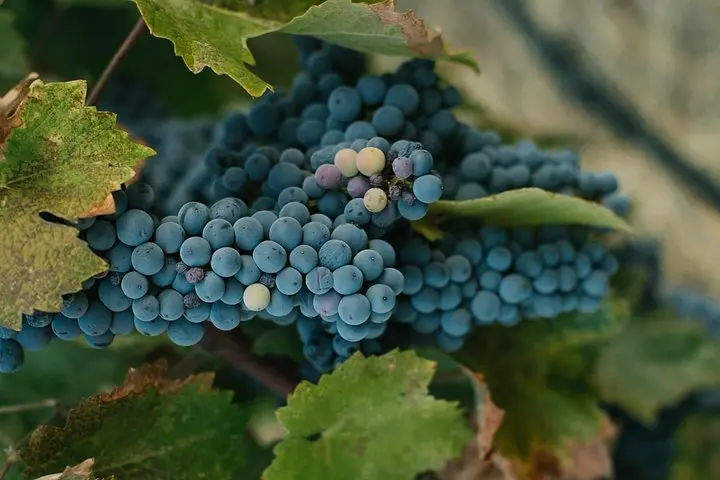
You step off the air‑conditioned vehicle onto cracked limestone and shale, the cool shadow of Table Mountain fading behind you as vine rows reach toward a stubborn sun. Grape leaves stir with a quiet impatance, and the smell of ferments and crushed earth edges the air; this is the Cape Winelands, where climate and geology argue politely on the palate.
Verified experiences and guided adventures in the surrounding area.
Operated by Opulent Tours And Travel · Cape Town, Western Cape
You step off the air‑conditioned vehicle onto cracked limestone and shale, the cool shadow of Table Mountain fading behind you as vine rows reach toward a stubborn sun. Grape leaves stir with a quiet impatance, and the smell of ferments and crushed earth edges the air; this is the Cape Winelands, where climate and geology argue politely on the palate.
The route threads through three distinct regions—Stellenbosch, Franschhoek and a final estate—each shaped by different soils and colonial history. Stellenbosch’s oak‑lined lanes and granite soils favor robust reds; Franschhoek carries the French Huguenot imprint in its village architecture and delicate Loire‑style whites. The mountains that frame these valleys are old Table Mountain Sandstone and shale, creating pockets of microclimates that winemakers exploit for single‑site character.
Local culture is equal parts farmers’ craft and contemporary gastronomy; cellar tours here pair technical tasting notes with stories of drought years, frost fights and sustainable pivots. Expect guided tastings, cellar visits and short walks between tasting rooms—no technical hiking but a sensory stroll through viticulture.
Practical guidance: book mid‑week to avoid weekend crowds, bring layers for coastal wind that can cut through tastings, and use the provided private transport—don’t plan to drive after samples. Carry a reusable water bottle and a light daypack for purchases and brochures. If you have limited time, prioritize one estate with a seated tasting and one with a vineyard walk for the best balance of depth and landscape.
The tour runs 2–8 hours depending on the selected itinerary; operators can tailor stops to fit a shorter half‑day schedule if requested.
Yes—private pickup is provided; confirm your preferred pickup point and time when booking.
Tastings and cellar visits are included at the listed farms, but special reserve tastings or cellar‑to‑barrel experiences may carry extra fees.
The tour is family‑friendly and non‑drinkers can enjoy vineyard walks, estate gardens and soft‑drink alternatives—inform the operator about any infants or non‑drinkers ahead of time.
Opulent Tours And Travel operates guided outdoor trips and adventures with an emphasis on safety, stewardship, and memorable experiences.
You step off the air‑conditioned vehicle onto cracked limestone and shale, the cool shadow of Table Mountain fading behind you as vine rows reach toward a stubborn sun. Grape leaves stir with a quiet impatance, and the smell of ferments and crushed earth edges the air; this is the Cape Winelands, where climate and geology argue politely on the palate.
You step off the air‑conditioned vehicle onto cracked limestone and shale, the cool shadow of Table Mountain fading behind you as vine rows reach toward a stubborn sun. Grape leaves stir with a quiet impatance, and the smell of ferments and crushed earth edges the air; this is the Cape Winelands, where climate and geology argue politely on the palate.
The route threads through three distinct regions—Stellenbosch, Franschhoek and a final estate—each shaped by different soils and colonial history. Stellenbosch’s oak‑lined lanes and granite soils favor robust reds; Franschhoek carries the French Huguenot imprint in its village architecture and delicate Loire‑style whites. The mountains that frame these valleys are old Table Mountain Sandstone and shale, creating pockets of microclimates that winemakers exploit for single‑site character.
Local culture is equal parts farmers’ craft and contemporary gastronomy; cellar tours here pair technical tasting notes with stories of drought years, frost fights and sustainable pivots. Expect guided tastings, cellar visits and short walks between tasting rooms—no technical hiking but a sensory stroll through viticulture.
Practical guidance: book mid‑week to avoid weekend crowds, bring layers for coastal wind that can cut through tastings, and use the provided private transport—don’t plan to drive after samples. Carry a reusable water bottle and a light daypack for purchases and brochures. If you have limited time, prioritize one estate with a seated tasting and one with a vineyard walk for the best balance of depth and landscape.