THE ADVENTURE COLLECTIVE® · Independent discovery and booking for outdoor travel

A five-day circuit from Ulaanbaatar through steppe, dunes, hot springs and UNESCO-listed Orkhon Valley. Expect hands-on nomadic life, Przewalski horses at Hustai, birding at Ugii Lake, and restorative mineral baths.
A five-day circuit from Ulaanbaatar through steppe, dunes, hot springs and UNESCO-listed Orkhon Valley. Expect hands-on nomadic life, Przewalski horses at Hustai, birding at Ugii Lake, and restorative mineral baths.
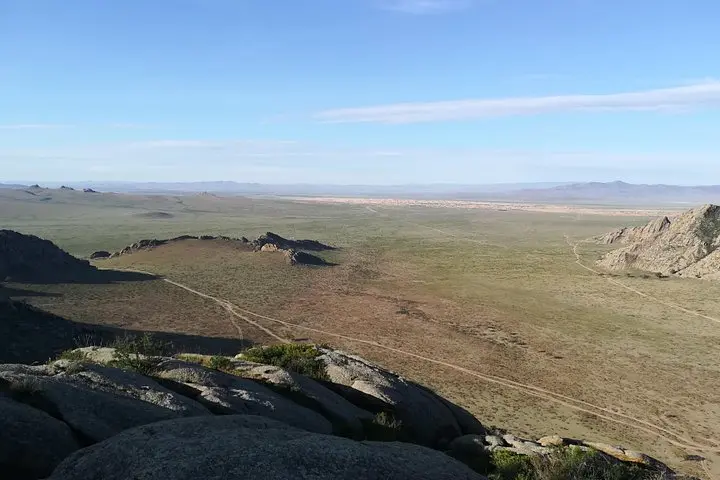
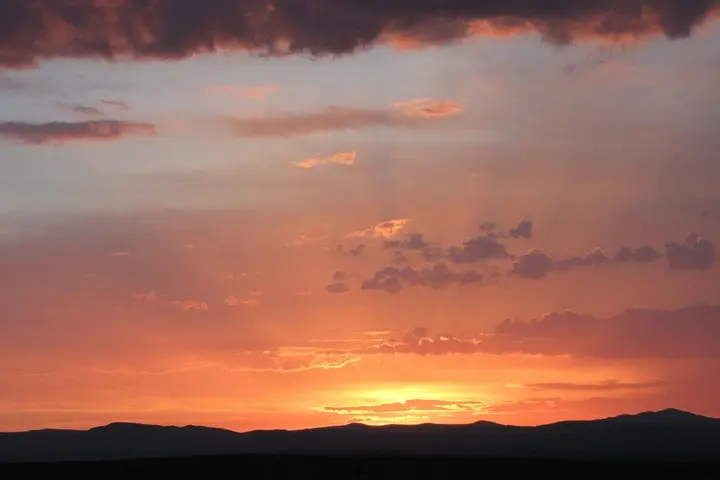
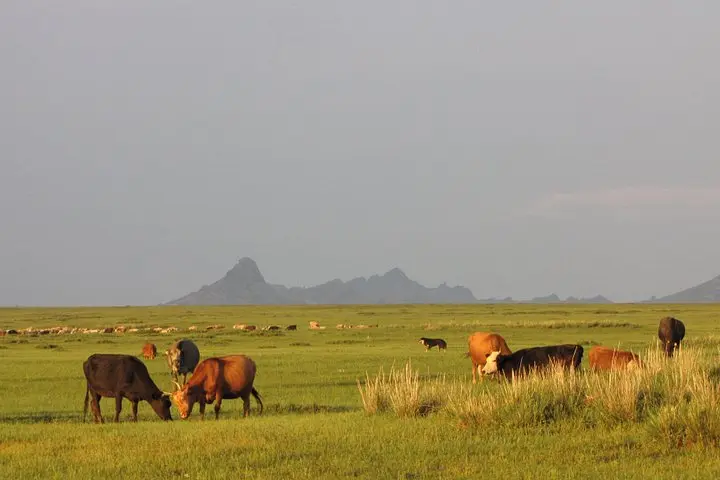
The first morning out of Ulaanbaatar the road unspools like a map drawn in dust: low ridges, endless grass, and the occasional ger camp punctuating the horizon. Wind pushes at the van as you pass the basalt fingers of Elsen Tasarhai and the open, green valley of Khugnu Khaan Natural Reserve where herds graze with a casual authority. By night you sleep in tourist gers and camps under a wide sky that seems to measure time by stars rather than clocks.
Verified experiences and guided adventures in the surrounding area.
Operated by Mungunbagana Sukhochir · Ulaanbaatar, Ulaanbaatar
The first morning out of Ulaanbaatar the road unspools like a map drawn in dust: low ridges, endless grass, and the occasional ger camp punctuating the horizon. Wind pushes at the van as you pass the basalt fingers of Elsen Tasarhai and the open, green valley of Khugnu Khaan Natural Reserve where herds graze with a casual authority. By night you sleep in tourist gers and camps under a wide sky that seems to measure time by stars rather than clocks.
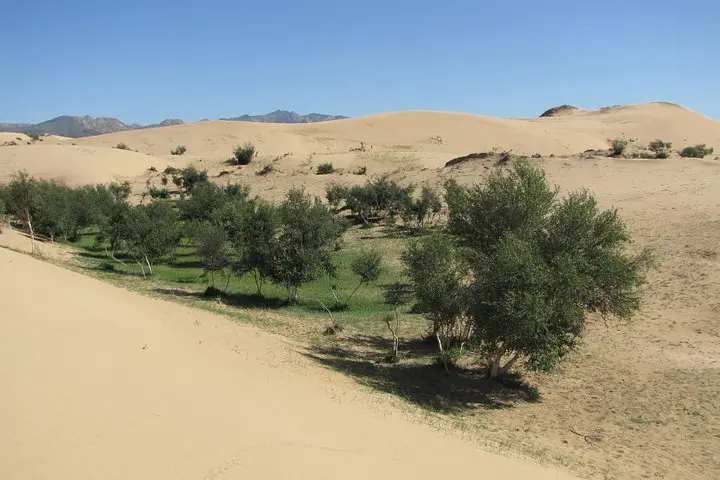
Across five days this loop stitches together Mongolia’s geological and human history. You move from sand-swept dune edges into mountain steppe and then into basalt-covered valleys and riverine forest—each landscape shaped by ancient volcanism, river terraces and the seasonal march of grazing herds. Kharkhorin sits in the Orkhon Valley Cultural Landscape, a UNESCO site where Karakorum once served as the Mongol Empire’s capital and Erdenezuu monastery preserves centuries of Buddhist art and architecture.
Culture here is lived: a day with a nomadic family at Elsen Tasarhai offers hands-on chores—milking, gathering animals, and learning to play ankle-bone games—followed by thick yogurts and cheese made from the day’s milk. At Tsenkher hot springs, mineral-rich waters that emerge near 86°C invite a slow restoration ritual after long drives and hikes. Ugii Lake brings a change of pace: boat tours and birding among reed edges reveal migratory species and a quieter side of Central Mongolia.
Expect a mix of paved and long gravel tracks; daily driving sections commonly span 3–6 hours between stops. Elevation floats between roughly 1,300–1,900 meters, so weather can swing from hot sun to sharp evening cold. Wildlife highlights include the Takhi (Przewalski’s horse) at Hustai National Park—reintroduced here—and steppe raptors and waterbirds at Ugii.
Practical notes: travel is private with hotel pickup in UB; pack sturdy hiking shoes for mixed terrain, sun protection for exposed steppe, and a light down for cool nights. Bring cash for small purchases in towns and a quick-dry towel for the hot springs. Summer (June–August) delivers the best access and wildflower meadows, while shoulder seasons can be quieter but windier.
This five-day route compresses Mongolia’s contrasts—desert-edge sand, volcanic rock, hot springs, ancient capitals, and wild horse herds—into a rideable, walkable experience that favors curiosity and simple preparation over technical skill. It’s a trip designed to be felt: mud on boot soles, steam on skin, and the steady rhythm of a land shaped by seasons and the long arc of history.
The tour includes pickup from any hotel in Ulaanbaatar; confirm pickup point and flight details at booking—drivers usually collect guests about 30 minutes before departure.
Elevations generally range 1,300–1,900 m; most travelers do not experience altitude sickness, but take it easy on the first day and stay hydrated.
Yes—this tour includes 4 nights’ accommodation (ger camps/tourist camps) and meals as listed (5 breakfasts, 5 lunches, 4 dinners).
Yes—Day 1 offers a homestay experience with a herder family where you can participate in daily tasks and enjoy traditional dairy products.
Expect Przewalski’s horses at Hustai, argali sheep, steppe raptors, and migratory waterbirds at Ugii Lake; sightings depend on season and time of day.
The tour is listed as suitable for all fitness levels; infants must sit on laps and infant seats are available—confirm arrangements when booking.
Mungunbagana Sukhochir operates guided outdoor trips and adventures with an emphasis on safety, stewardship, and memorable experiences.
The first morning out of Ulaanbaatar the road unspools like a map drawn in dust: low ridges, endless grass, and the occasional ger camp punctuating the horizon. Wind pushes at the van as you pass the basalt fingers of Elsen Tasarhai and the open, green valley of Khugnu Khaan Natural Reserve where herds graze with a casual authority. By night you sleep in tourist gers and camps under a wide sky that seems to measure time by stars rather than clocks.
The first morning out of Ulaanbaatar the road unspools like a map drawn in dust: low ridges, endless grass, and the occasional ger camp punctuating the horizon. Wind pushes at the van as you pass the basalt fingers of Elsen Tasarhai and the open, green valley of Khugnu Khaan Natural Reserve where herds graze with a casual authority. By night you sleep in tourist gers and camps under a wide sky that seems to measure time by stars rather than clocks.
Across five days this loop stitches together Mongolia’s geological and human history. You move from sand-swept dune edges into mountain steppe and then into basalt-covered valleys and riverine forest—each landscape shaped by ancient volcanism, river terraces and the seasonal march of grazing herds. Kharkhorin sits in the Orkhon Valley Cultural Landscape, a UNESCO site where Karakorum once served as the Mongol Empire’s capital and Erdenezuu monastery preserves centuries of Buddhist art and architecture.
Culture here is lived: a day with a nomadic family at Elsen Tasarhai offers hands-on chores—milking, gathering animals, and learning to play ankle-bone games—followed by thick yogurts and cheese made from the day’s milk. At Tsenkher hot springs, mineral-rich waters that emerge near 86°C invite a slow restoration ritual after long drives and hikes. Ugii Lake brings a change of pace: boat tours and birding among reed edges reveal migratory species and a quieter side of Central Mongolia.
Expect a mix of paved and long gravel tracks; daily driving sections commonly span 3–6 hours between stops. Elevation floats between roughly 1,300–1,900 meters, so weather can swing from hot sun to sharp evening cold. Wildlife highlights include the Takhi (Przewalski’s horse) at Hustai National Park—reintroduced here—and steppe raptors and waterbirds at Ugii.
Practical notes: travel is private with hotel pickup in UB; pack sturdy hiking shoes for mixed terrain, sun protection for exposed steppe, and a light down for cool nights. Bring cash for small purchases in towns and a quick-dry towel for the hot springs. Summer (June–August) delivers the best access and wildflower meadows, while shoulder seasons can be quieter but windier.
This five-day route compresses Mongolia’s contrasts—desert-edge sand, volcanic rock, hot springs, ancient capitals, and wild horse herds—into a rideable, walkable experience that favors curiosity and simple preparation over technical skill. It’s a trip designed to be felt: mud on boot soles, steam on skin, and the steady rhythm of a land shaped by seasons and the long arc of history.