THE ADVENTURE COLLECTIVE® · Independent discovery and booking for outdoor travel

Stroll from Nyhavn’s colorful quays to Christiansborg Palace on a curated three‑hour small‑group walk. Local guides combine history, cultural insight and off‑beat stops to give a compact, practical overview of central Copenhagen.
Stroll from Nyhavn’s colorful quays to Christiansborg Palace on a curated three‑hour small‑group walk. Local guides combine history, cultural insight and off‑beat stops to give a compact, practical overview of central Copenhagen.
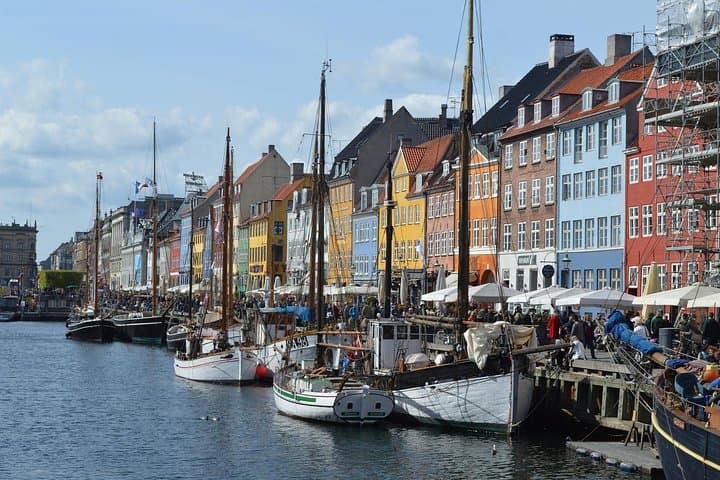
A cold breeze from the harbour nudges you off the pedestrian curb and into a ribbon of cobblestones that leads past brightly painted canal houses; the city seems to inhale and exhale with each bicycle bell. This three‑hour small‑group walking tour threads through central Copenhagen’s human-scale streets — from the vivid facades of Nyhavn to the sober stones of Amagertorv and the parliamentary presence of Christiansborg.
Verified experiences and guided adventures in the surrounding area.
Operated by Amitylux · Copenhagen, Capital Region (Hovedstaden)
A cold breeze from the harbour nudges you off the pedestrian curb and into a ribbon of cobblestones that leads past brightly painted canal houses; the city seems to inhale and exhale with each bicycle bell. This three‑hour small‑group walking tour threads through central Copenhagen’s human-scale streets — from the vivid facades of Nyhavn to the sober stones of Amagertorv and the parliamentary presence of Christiansborg.
Copenhagen’s urban story is one of sea, trade and monarchy. The canals and harbour shaped its wealth; Christian IV’s 17th‑century projects left long shadows in the city plan, and Amagertorv still carries the name of Amager farmers who sold produce there in medieval times. Geologically, the flat Danish plain gives way to reclaimed land and the engineered islets of Slotsholmen; culturally, the concept of hygge — a dry, practical warmth — underpins cafés, courtyards and convivial public life.
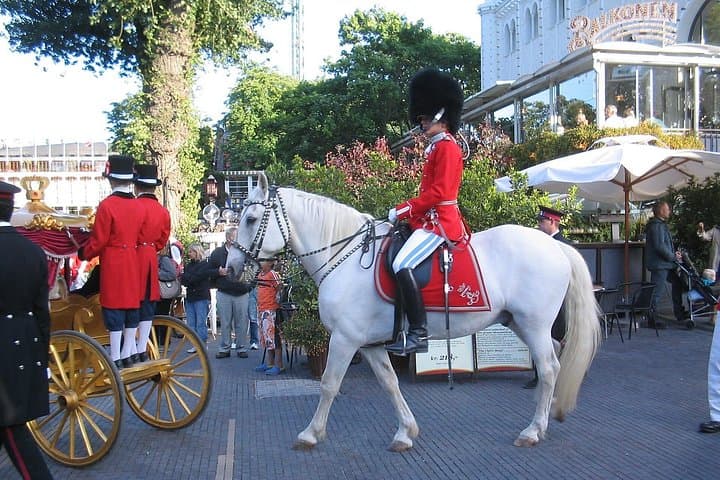
Expect short walking intervals with frequent stops for interpretation, architecture viewing and local anecdotes; guides point out hidden courtyards and tell stories about the Round Tower’s astronomical past and Tivoli’s 19th‑century amusement roots. The tour is practical for most fitness levels: paved surfaces, light inclines and frequent traffic crossings.
Bring a weatherproof layer and comfortable shoes, keep a small bottle of water accessible, and plan for morning or late‑afternoon light to avoid peak crowds. Guides often adjust routes for festivals and public events; ask about accessibility at booking. In three hours you’ll leave with a clearer map of the city — both the official landmarks and the quieter places locals return to when they want to feel Danish hygge.
Groups are capped at 10 participants to keep the experience personal and mobile.
Yes — the pace is gentle with frequent stops; participants should be able to walk for three hours with short rests.
Most highlights are viewed from outside; select stops may include short paid admissions if you choose to enter.
This particular listing is conducted in English with an English‑speaking local guide.
Amitylux operates guided outdoor trips and adventures with an emphasis on safety, stewardship, and memorable experiences.
A cold breeze from the harbour nudges you off the pedestrian curb and into a ribbon of cobblestones that leads past brightly painted canal houses; the city seems to inhale and exhale with each bicycle bell. This three‑hour small‑group walking tour threads through central Copenhagen’s human-scale streets — from the vivid facades of Nyhavn to the sober stones of Amagertorv and the parliamentary presence of Christiansborg.
A cold breeze from the harbour nudges you off the pedestrian curb and into a ribbon of cobblestones that leads past brightly painted canal houses; the city seems to inhale and exhale with each bicycle bell. This three‑hour small‑group walking tour threads through central Copenhagen’s human-scale streets — from the vivid facades of Nyhavn to the sober stones of Amagertorv and the parliamentary presence of Christiansborg.
Copenhagen’s urban story is one of sea, trade and monarchy. The canals and harbour shaped its wealth; Christian IV’s 17th‑century projects left long shadows in the city plan, and Amagertorv still carries the name of Amager farmers who sold produce there in medieval times. Geologically, the flat Danish plain gives way to reclaimed land and the engineered islets of Slotsholmen; culturally, the concept of hygge — a dry, practical warmth — underpins cafés, courtyards and convivial public life.
Expect short walking intervals with frequent stops for interpretation, architecture viewing and local anecdotes; guides point out hidden courtyards and tell stories about the Round Tower’s astronomical past and Tivoli’s 19th‑century amusement roots. The tour is practical for most fitness levels: paved surfaces, light inclines and frequent traffic crossings.
Bring a weatherproof layer and comfortable shoes, keep a small bottle of water accessible, and plan for morning or late‑afternoon light to avoid peak crowds. Guides often adjust routes for festivals and public events; ask about accessibility at booking. In three hours you’ll leave with a clearer map of the city — both the official landmarks and the quieter places locals return to when they want to feel Danish hygge.