THE ADVENTURE COLLECTIVE® · Independent discovery and booking for outdoor travel

An eight-day corridor through the heart of the Inca world: Cusco, the Sacred Valley, Machu Picchu and Vinicunca. This practical guide outlines what to expect on the high‑altitude hikes, cultural stops and logistics you’ll face on the route.
An eight-day corridor through the heart of the Inca world: Cusco, the Sacred Valley, Machu Picchu and Vinicunca. This practical guide outlines what to expect on the high‑altitude hikes, cultural stops and logistics you’ll face on the route.
Dawn breaks over Cusco and the city exhales — smoke from cooking fires, vendors calling in San Pedro market, and terraced hills catching the first light. The itinerary moves north into the Sacred Valley, following the Urubamba River through steep canyon walls toward the stone work of Ollantaytambo and the train that threads the Andes to Machu Picchu.
Verified experiences and guided adventures in the surrounding area.
Operated by VIPAC Travel · Cusco, Cusco Region
Dawn breaks over Cusco and the city exhales — smoke from cooking fires, vendors calling in San Pedro market, and terraced hills catching the first light. The itinerary moves north into the Sacred Valley, following the Urubamba River through steep canyon walls toward the stone work of Ollantaytambo and the train that threads the Andes to Machu Picchu.
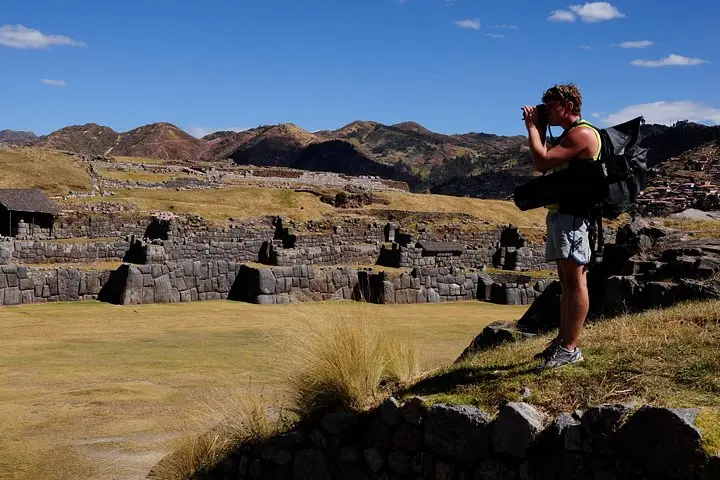
This route stitches together Inca engineering, colonial towns and high‑altitude geology. Sacsayhuamán’s massive cyclopean walls and Moray’s concentric agricultural terraces show the Incas’ mastery of stone and microclimates, while the salt evaporation ponds of Maras reveal human adaptation to mineral-rich strata. Vinicunca (Rainbow Mountain) displays exposed mineral layers formed by uplift and erosion, their ochres and turquoises intensified by thin air and bright sun.
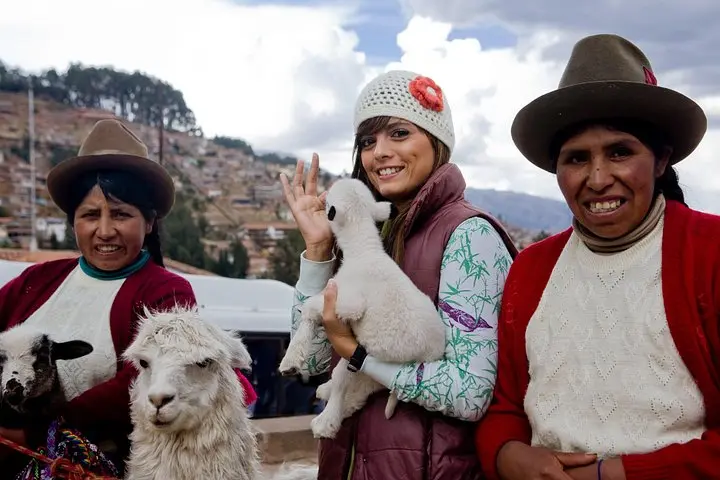
Culturally, markets like Pisac and the weaving demonstrations in Yucay keep Andean textile traditions alive; local guides illuminate Quechua cosmology that links water, stone and crop cycles. Expect narrow cobbled streets, steep climbs and dramatic altitude shifts — Humantay and Vinicunca sit above 4,800–5,400 m.
Practical guidance: prioritize 48–72 hours of acclimatization in Cusco, hydrate steadily and keep effort steady on ascents. Bring sun protection, layered insulation for freeze–thaw swings, and good ankle‑supporting boots for uneven terraces and rocky switchbacks. Many services (train, Machu Picchu entrance) are timed and non‑refundable, so confirm logistics ahead. Travel light, move deliberately, and let altitude pace your adventure — the payoff is panoramic archaeology and landscapes few places on Earth can match.
Yes — entrance slots and train seats are limited and often sell out; tickets are non‑refundable and date changes require purchasing a new ticket.
The standard approach includes about 4 km uphill at high elevation (from ~4,800 to 5,000 m) and a similar descent; expect 2–4 hours round trip depending on pace and acclimatization.
Yes — community horse rentals are commonly available at the trailheads, but horses may not be suitable for all and require cash payment on site.
Altitude sickness can affect anyone; common measures include gradual acclimatization, hydration, avoiding alcohol, and carrying acetazolamide if prescribed by a doctor.
VIPAC Travel operates guided outdoor trips and adventures with an emphasis on safety, stewardship, and memorable experiences.
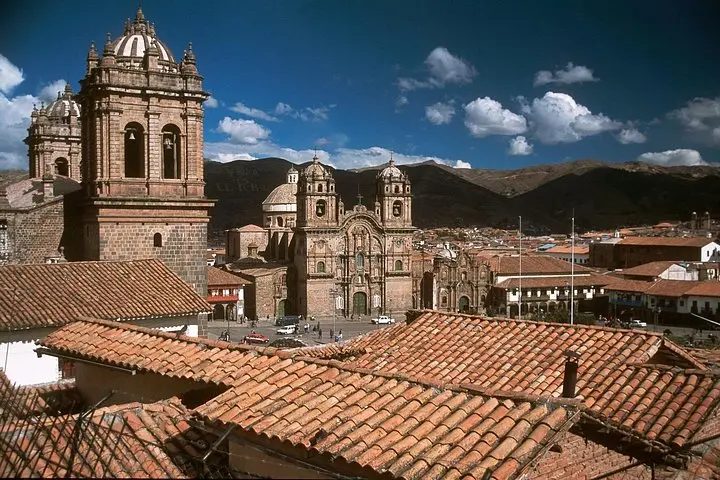
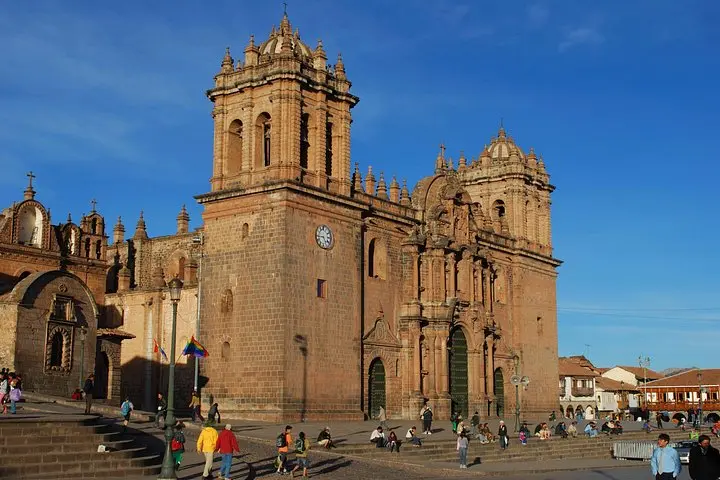
Dawn breaks over Cusco and the city exhales — smoke from cooking fires, vendors calling in San Pedro market, and terraced hills catching the first light. The itinerary moves north into the Sacred Valley, following the Urubamba River through steep canyon walls toward the stone work of Ollantaytambo and the train that threads the Andes to Machu Picchu.
Dawn breaks over Cusco and the city exhales — smoke from cooking fires, vendors calling in San Pedro market, and terraced hills catching the first light. The itinerary moves north into the Sacred Valley, following the Urubamba River through steep canyon walls toward the stone work of Ollantaytambo and the train that threads the Andes to Machu Picchu.
This route stitches together Inca engineering, colonial towns and high‑altitude geology. Sacsayhuamán’s massive cyclopean walls and Moray’s concentric agricultural terraces show the Incas’ mastery of stone and microclimates, while the salt evaporation ponds of Maras reveal human adaptation to mineral-rich strata. Vinicunca (Rainbow Mountain) displays exposed mineral layers formed by uplift and erosion, their ochres and turquoises intensified by thin air and bright sun.
Culturally, markets like Pisac and the weaving demonstrations in Yucay keep Andean textile traditions alive; local guides illuminate Quechua cosmology that links water, stone and crop cycles. Expect narrow cobbled streets, steep climbs and dramatic altitude shifts — Humantay and Vinicunca sit above 4,800–5,400 m.
Practical guidance: prioritize 48–72 hours of acclimatization in Cusco, hydrate steadily and keep effort steady on ascents. Bring sun protection, layered insulation for freeze–thaw swings, and good ankle‑supporting boots for uneven terraces and rocky switchbacks. Many services (train, Machu Picchu entrance) are timed and non‑refundable, so confirm logistics ahead. Travel light, move deliberately, and let altitude pace your adventure — the payoff is panoramic archaeology and landscapes few places on Earth can match.