THE ADVENTURE COLLECTIVE® · Independent discovery and booking for outdoor travel

A full-day private tour from The Hague that pairs iconic windmills, a historic fishing village, the engineering feat of the Afsluitdijk and the world’s oldest working planetarium in Franeker. Ideal for travelers who want cultural depth with outdoor stretches and coastal views.
A full-day private tour from The Hague that pairs iconic windmills, a historic fishing village, the engineering feat of the Afsluitdijk and the world’s oldest working planetarium in Franeker. Ideal for travelers who want cultural depth with outdoor stretches and coastal views.
Morning light hits the blades first — wooden arms turning slowly above peat-flat fields as your private van threads north from The Hague.
Verified experiences and guided adventures in the surrounding area.
Operated by Best of The Netherlands tours · The Hague, South Holland
Morning light hits the blades first — wooden arms turning slowly above peat-flat fields as your private van threads north from The Hague.
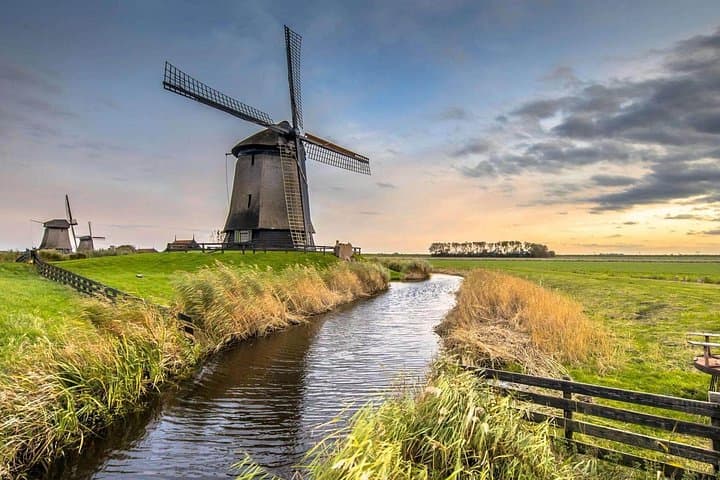
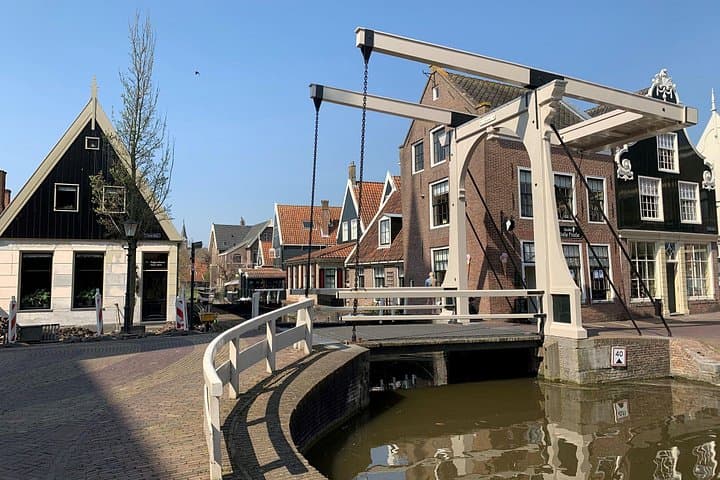
You arrive in Schermerhorn to a group of three ancient windmills, their timbers creaking like the pages of a history book. The landscape here is engineered: polders, dikes and reclaimed land that read as a human-made coast. Walkways in De Rijp run beside narrow canals and timber façades that recall the Dutch Golden Age; in Den Oever the Wadden Sea pushes and pulls at the horizon, daring you to stand at the edge of the North Sea and feel its scale.
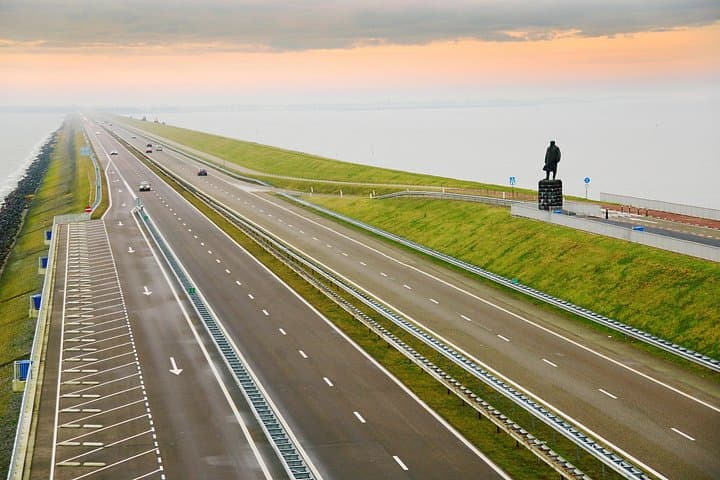
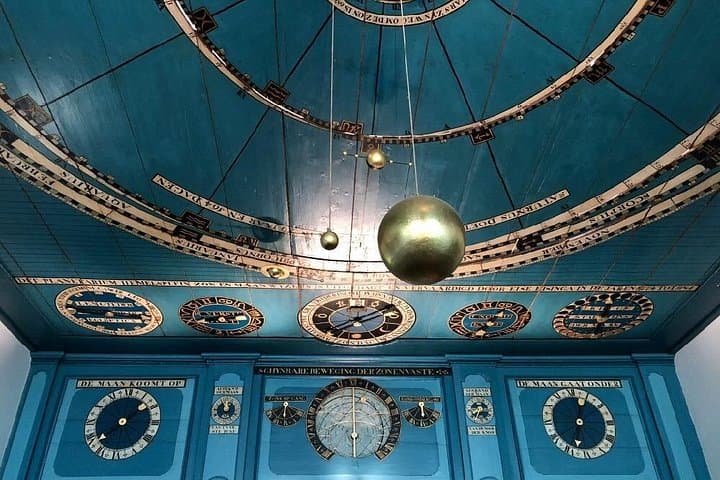
This itinerary ties centuries of ingenuity together — the Afsluitdijk (completed 1932) that reshaped the Zuiderzee into fresh reclaimed farmland, and the Eise Eisinga Planetarium in Franeker, built in the late 18th century and still operating as a mechanical model of the solar system. Geology here is subtle: recent marine deposits, human-dug peat, and low-lying clay plains held back by masonry and modern engineering.
Expect easy-to-moderate walking, short transfers and a mix of indoor and outdoor stops; total tour time is roughly 10 hours. Practical notes: comfy, waterproof walking shoes, a windproof layer and a small daypack will make transitions smoother. Carry a refillable bottle — bottled water is provided, but you’ll want hands free for photos.
Timing the tour for clear weather brings the best light on the dike and planetarium ceiling; allow extra time at the windmill museum if you want a deeper look at mill mechanics.
Yes — private pickup is provided from The Hague area; confirm your exact pickup point at booking.
Yes — the tour includes admission fees for the Schermerhorn windmill and the Eise Eisinga Planetarium.
The Eise Eisinga Planetarium is in a historic canal house with limited accessibility and some stairs; contact the operator in advance for specific accommodations.
Lunch at Den Oever is included; inform the operator of dietary restrictions when booking so they can arrange options.
Best of The Netherlands tours operates guided outdoor trips and adventures with an emphasis on safety, stewardship, and memorable experiences.
Morning light hits the blades first — wooden arms turning slowly above peat-flat fields as your private van threads north from The Hague.
Morning light hits the blades first — wooden arms turning slowly above peat-flat fields as your private van threads north from The Hague.
You arrive in Schermerhorn to a group of three ancient windmills, their timbers creaking like the pages of a history book. The landscape here is engineered: polders, dikes and reclaimed land that read as a human-made coast. Walkways in De Rijp run beside narrow canals and timber façades that recall the Dutch Golden Age; in Den Oever the Wadden Sea pushes and pulls at the horizon, daring you to stand at the edge of the North Sea and feel its scale.
This itinerary ties centuries of ingenuity together — the Afsluitdijk (completed 1932) that reshaped the Zuiderzee into fresh reclaimed farmland, and the Eise Eisinga Planetarium in Franeker, built in the late 18th century and still operating as a mechanical model of the solar system. Geology here is subtle: recent marine deposits, human-dug peat, and low-lying clay plains held back by masonry and modern engineering.
Expect easy-to-moderate walking, short transfers and a mix of indoor and outdoor stops; total tour time is roughly 10 hours. Practical notes: comfy, waterproof walking shoes, a windproof layer and a small daypack will make transitions smoother. Carry a refillable bottle — bottled water is provided, but you’ll want hands free for photos.
Timing the tour for clear weather brings the best light on the dike and planetarium ceiling; allow extra time at the windmill museum if you want a deeper look at mill mechanics.