THE ADVENTURE COLLECTIVE® · Independent discovery and booking for outdoor travel

Two days that pair Heraklion’s Bronze Age wonders with the coastal drama of Elounda and Spinalonga. This private tour combines skip‑the‑line access to Knossos and an intimate look at eastern Crete’s villages, geology and sea.
Two days that pair Heraklion’s Bronze Age wonders with the coastal drama of Elounda and Spinalonga. This private tour combines skip‑the‑line access to Knossos and an intimate look at eastern Crete’s villages, geology and sea.
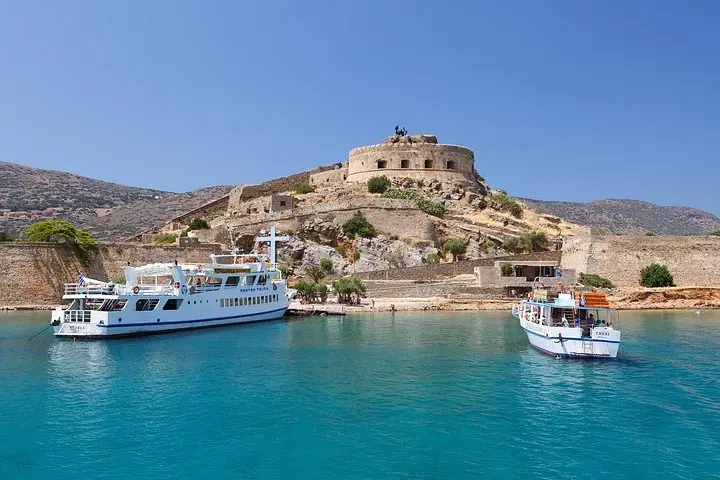
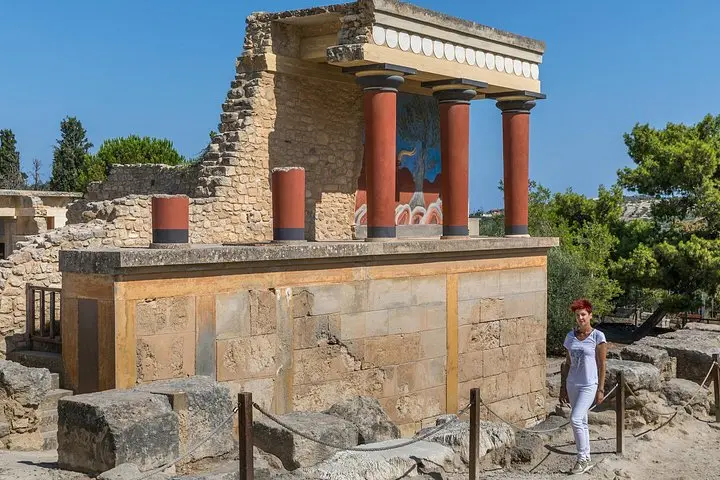
You step off the coach in Heraklion with the salt-warm wind pushing you toward the harbor and an afternoon that folds archaeology into coastline. Cobblestones give way to the reconstructed columns of Knossos; later, the Mirabello Gulf unspools blue as the boat cuts toward Spinalonga and the old fort watches the sea.
Verified experiences and guided adventures in the surrounding area.
Operated by Travel Crete Private Tours · Heraklion, Crete
You step off the coach in Heraklion with the salt-warm wind pushing you toward the harbor and an afternoon that folds archaeology into coastline. Cobblestones give way to the reconstructed columns of Knossos; later, the Mirabello Gulf unspools blue as the boat cuts toward Spinalonga and the old fort watches the sea.
Day one is archaeological pulse: Knossos—the sprawling Minoan palace with interlocking rooms and fresco fragments—followed by the Archaeological Museum of Heraklion, where original frescoes and jewelry map Bronze Age Crete. Day two moves east along coastal roads, past terraced olive groves and limestone ridges, to Plaka and the ferry to Spinalonga, the island that carries Venetian walls and 20th-century history as a former leper colony. Villages such as Agios Nikolaos offer a contemporary harbor culture—cafés, a small lake, and trout-lined tavernas.
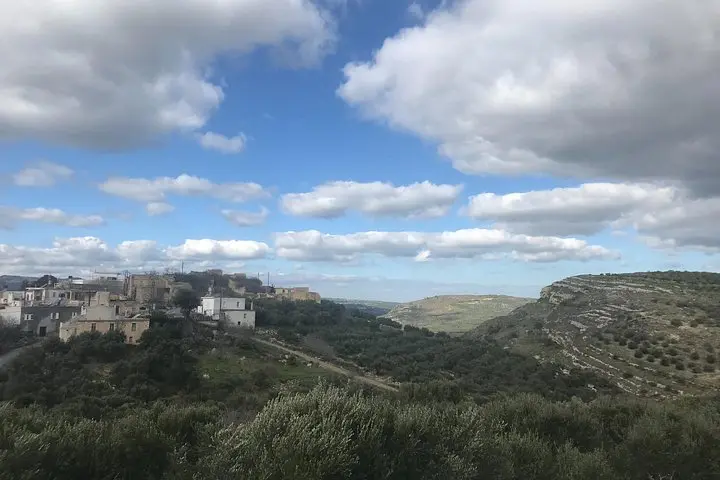
Geology here is visible: folded limestone ranges meeting the sea, karst gullies, and narrow coastal shelves that make the shoreline both dramatic and calm. Local life leans on olive oil, small-scale fishing and tourism; expect guide-led explanations of Minoan civic life and Venetian-Ottoman layers.
Practical guidance: arrive with sturdy walking shoes for uneven archaeological stone and narrow island paths, sunscreen and a hat for exposed coastal sections, and a light rain layer in shoulder seasons. Boat boarding to Spinalonga can be choppy—bring a small daypack and sensible footwear. The private guide and included admissions speed movement; carry water and a reusable bag for purchases. Timing matters: in winter Spinalonga visits may be restricted, so check seasonal availability before booking.
Yes—this private tour includes admission to Knossos and the Archaeological Museum of Heraklion as described in the itinerary.
Infants are allowed but must sit on an adult’s lap; the tour is not recommended for travelers with spinal or significant heart problems or for pregnant travelers.
Spinalonga is typically part of the summer itinerary; during winter months the island visit may be replaced by extended time around Mirabello Bay and Agios Nikolaos—confirm at booking.
The tour departs from the Heraklion district; private pickup options are arranged at booking—confirm your pickup point and arrival details.
Travel Crete Private Tours operates guided outdoor trips and adventures with an emphasis on safety, stewardship, and memorable experiences.
You step off the coach in Heraklion with the salt-warm wind pushing you toward the harbor and an afternoon that folds archaeology into coastline. Cobblestones give way to the reconstructed columns of Knossos; later, the Mirabello Gulf unspools blue as the boat cuts toward Spinalonga and the old fort watches the sea.
You step off the coach in Heraklion with the salt-warm wind pushing you toward the harbor and an afternoon that folds archaeology into coastline. Cobblestones give way to the reconstructed columns of Knossos; later, the Mirabello Gulf unspools blue as the boat cuts toward Spinalonga and the old fort watches the sea.
Day one is archaeological pulse: Knossos—the sprawling Minoan palace with interlocking rooms and fresco fragments—followed by the Archaeological Museum of Heraklion, where original frescoes and jewelry map Bronze Age Crete. Day two moves east along coastal roads, past terraced olive groves and limestone ridges, to Plaka and the ferry to Spinalonga, the island that carries Venetian walls and 20th-century history as a former leper colony. Villages such as Agios Nikolaos offer a contemporary harbor culture—cafés, a small lake, and trout-lined tavernas.
Geology here is visible: folded limestone ranges meeting the sea, karst gullies, and narrow coastal shelves that make the shoreline both dramatic and calm. Local life leans on olive oil, small-scale fishing and tourism; expect guide-led explanations of Minoan civic life and Venetian-Ottoman layers.
Practical guidance: arrive with sturdy walking shoes for uneven archaeological stone and narrow island paths, sunscreen and a hat for exposed coastal sections, and a light rain layer in shoulder seasons. Boat boarding to Spinalonga can be choppy—bring a small daypack and sensible footwear. The private guide and included admissions speed movement; carry water and a reusable bag for purchases. Timing matters: in winter Spinalonga visits may be restricted, so check seasonal availability before booking.